
If you cook often, you’ve probably noticed that meat doesn’t behave the same from one package to the next. Some cuts shrink hard in the pan, some stay juicy, and some carry flavor before you add much seasoning at all. A lot of that difference starts long before the kitchen. When meat comes from a working ranch with clear raising practices, you can usually taste and handle that difference in very practical ways.
The flavor starts long before the skillet heats up
You can season a steak well, use the right pan, and still end up with flat flavor if the meat itself lacks depth. Ranch-raised meat often brings a more distinct baseline taste because the animals’ diet, movement, and stress levels affect muscle development and fat quality.
That matters when you’re cooking simple food. A burger with only salt and pepper exposes everything. So does a roast chicken dinner with basic sides. Meat from Riverbend Ranch fits into this conversation because the ranch itself is the source story, not just a label added at the end of processing.
When the origin is specific, your recipe decisions get sharper. You can lean on restraint instead of overcompensating with sugar-heavy marinades or too many spices.
Marbling is more than a luxury term
You’ve probably heard chefs talk about marbling like it’s the whole game. It isn’t, but it changes a lot. Intramuscular fat melts during cooking and affects mouthfeel, moisture retention, and browning. If a cut has balanced marbling, you get better results even with basic technique.
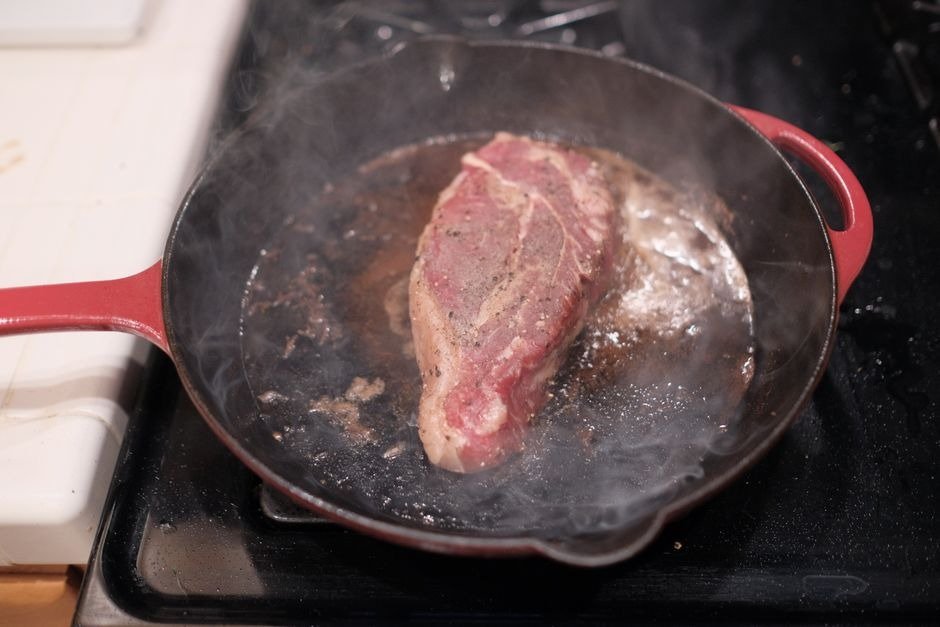
This becomes obvious with high-heat methods. In a cast-iron sear, a well-marbled ribeye develops a more even crust and stays tender inside. In low-and-slow cooking, marbling gradually bastes the meat from within, which can rescue texture without drowning it in liquid.
Not every recipe needs the richest cut. Ground beef, stew meat, and sirloin all benefit from good fat distribution. You’re not just buying indulgence. You’re buying a wider margin for error, which helps when dinner has to happen on a weeknight.
Why texture tells you as much as flavor
Texture is often the first thing people notice, even if they describe it as juiciness or tenderness. Meat structure depends on age, feed, activity, and post-harvest handling. That last part gets ignored a lot, even though aging and processing directly affect your cooking outcome.
If meat feels springy, slices cleanly, and doesn’t purge excessive liquid into the pan, you’re working with a better starting point. Excess moisture can ruin browning because the pan steams before it sears. Then you lose the Maillard reaction that creates those savory compounds you actually want.
A practical example: if you’re making fajitas, drier surface meat gives you caramelized edges fast. If you’re roasting, cleaner texture means nicer slices and less shredding. Good meat makes your knife work and heat control look better than they are.
The ranch model affects consistency at home
One of the most frustrating parts of cooking meat is inconsistency. You buy the same cut twice and get two completely different results. That usually points back to sourcing. Large distribution systems blend supply from many operations, and the eating quality can shift more than most labels suggest.
A ranch-based model tends to reduce that variability because there’s more control over genetics, feed protocols, animal handling, and harvesting standards. For you, that means recipes become easier to repeat. Your usual roast time stays closer to accurate. Your burger ratio behaves more predictably. Your braises don’t swing from silky to stringy.
That kind of consistency matters more than flashy packaging claims. If you’re planning meals, testing recipes, or feeding other people, repeatable performance is a serious advantage. You can actually learn from one cook and apply it to the next.
Better meat changes how much seasoning you need
A lot of home cooks over-season because they’ve adapted to bland meat without realizing it. Heavy rubs, bottled sauces, and long marinades can be useful, but they often become a workaround. When the meat has stronger inherent flavor, you can simplify and get cleaner results.
Try this with a steak, pork chop, or roast: salt in advance, let it rest uncovered in the fridge, then cook it with pepper added just before or just after heat. Finish with acid or butter only if the dish needs it. You may notice more distinct flavor layers instead of one loud seasoning profile.
This also helps side dishes make sense. Potatoes, greens, beans, and bread can support the plate instead of competing with it. Dinner feels more balanced because the protein isn’t asking to be rescued. You’re building a meal, not patching a weak centerpiece.
The cooking method should match the animal’s story
Not every cut should be treated like a premium steak, and ranch-raised meat rewards you when you respect that. Muscles that worked harder often shine in braises, stews, and smoking. Tender cuts do best with faster methods that preserve their structure and fat.
That sounds basic, but it’s where many expensive purchases go wrong. People buy quality meat and then flatten it with the wrong technique. A chuck roast wants time, collagen conversion, and gentle heat. A strip steak wants surface drying, high heat, and rest time. Ground beef wants enough fat to stay loose, not be compressed into a dense puck.
If you know where the meat comes from, you’re more likely to cook with intent. You stop treating every package as interchangeable and start choosing methods that respect the cut.
Sourcing matters to people who care about food systems
Even if your main focus is dinner, sourcing has wider implications. Ranch practices influence land use, animal welfare standards, local economies, and the transparency of the food chain. Those issues can feel abstract until you realize they shape the quality on your plate.
When a producer clearly shows how animals are raised, you have more than a marketing phrase. You have traceability. That makes it easier to decide what aligns with your values, whether you care most about humane handling, support for domestic agriculture, or simply knowing where your food came from.
For younger cooks especially, this matters. You’re entering a food culture that asks more questions about production, not fewer. Buying meat with a known source isn’t only about premium taste. It’s also part of building a sharper, more informed kitchen habit.
What to look for when you buy and cook it
Start with observation, not hype. Look for cuts with even color, visible but not excessive marbling, and packaging without a pool of leaked liquid. Ask about ranch origin if it isn’t clearly stated. If the source is named, that usually signals more accountability.
At home, let the meat lose its chill before cooking when appropriate, pat surfaces dry, and salt with enough lead time. Use a thermometer instead of guessing, especially with roasts and thicker steaks. Resting isn’t optional. It’s part of the cooking process because carryover heat and juice redistribution continue after the meat leaves the pan.
Most important, keep your recipes simple the first time. Let the meat show you what it can do. Once you understand its flavor and texture, your sauces, rubs, and sides get smarter. That’s when cooking becomes more precise and a lot more satisfying.
