
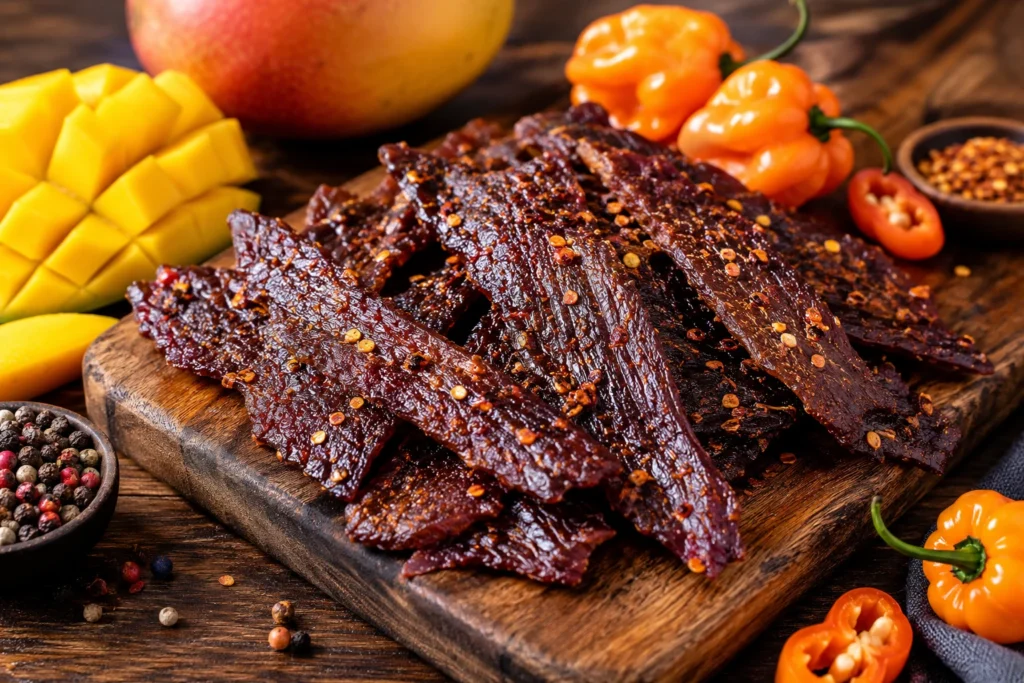
If you’re a fan of bold flavors, this Mango Habanero Jerky Recipe is guaranteed to become one of your favorite homemade snacks. It combines the natural sweetness of ripe mangoes with the fiery kick of habanero peppers, creating a delicious balance of sweet, spicy, smoky, and savory flavors in every bite. Unlike many store-bought jerkies that can be overly salty or packed with preservatives, this homemade version lets you control every ingredient while delivering an authentic taste that’s fresh and satisfying.
Making beef jerky at home may sound intimidating, but it’s actually much easier than most people think. With a flavorful marinade, thinly sliced beef, and either a dehydrator or an oven, you can prepare high-quality jerky that rivals premium brands. The slow drying process intensifies the flavors while creating the chewy texture that jerky lovers enjoy. It’s also an excellent make-ahead snack for hiking, camping, road trips, lunch boxes, or busy weekdays.
One of the best things about this recipe is how customizable it is. You can easily adjust the heat level by adding more or fewer habanero peppers, increase the sweetness with extra mango, or experiment with your favorite spices to create a flavor that’s uniquely yours. Whether you’re making jerky for the first time or you’ve prepared homemade batches before, this recipe delivers consistently delicious results that are worth the effort.
Recipe Overview
Before you begin, here’s a quick look at the Mango Habanero Jerky recipe details. Since jerky requires several hours of marinating and drying, planning ahead will give you the best flavor and texture.
| Detail | Information |
|---|---|
| Prep Time | 20 minutes |
| Marinating Time | 8–12 hours |
| Cook/Drying Time | 4–6 hours |
| Total Time | Approximately 13–18 hours |
| Servings | 8 |
| Course | Snack |
| Cuisine | American |
| Difficulty | Easy |
| Calories | About 170 per serving |
Why You’ll Love This Recipe
Homemade jerky offers a level of freshness and flavor that’s difficult to match with packaged versions. Instead of relying on artificial preservatives or excessive sodium, this Mango Habanero Jerky recipe uses real ingredients that complement one another beautifully. The juicy mango naturally softens the bold heat of the habanero peppers, while soy sauce, garlic, and smoked paprika add layers of savory richness.
Another reason this Mango Habanero Jerky recipe stands out is its versatility. You can enjoy it as a high-protein snack after a workout, pack it for outdoor adventures, or include it in lunch boxes for a filling midday bite. Because it stores well, it’s also an excellent meal-prep option that can be enjoyed throughout the week.
Here are a few more reasons you’ll want to make it again:
- Sweet and spicy flavor combination
- High in protein
- Great for meal prep
- Perfect for road trips and hiking
- Easy to customize
- No artificial preservatives
- Better value than store-bought jerky
- Works in both dehydrators and ovens
- Naturally gluten-free when using gluten-free soy sauce
- Excellent homemade gift for food lovers
Ingredients for Mango Habanero Jerky Recipe
Every ingredient contributes to the signature sweet, spicy, and smoky flavor of this jerky. Using fresh ingredients and quality beef will give you the best possible results.
For the Beef
- 2 pounds lean beef (top round, eye of round, or flank steak)
- 1 teaspoon coarse black pepper
For the Mango Habanero Marinade
- 1 large ripe mango, peeled and diced
- 1–2 habanero peppers, stems removed
- ⅓ cup low-sodium soy sauce
- 2 tablespoons Worcestershire sauce
- 2 tablespoons brown sugar
- 1 tablespoon honey
- 1 tablespoon apple cider vinegar
- 1 tablespoon lime juice
- 3 garlic cloves
- 1 teaspoon onion powder
- 1 teaspoon smoked paprika
- ½ teaspoon ground ginger
- ½ teaspoon red pepper flakes (optional)
- 1 teaspoon kosher salt
Ingredient Notes
Lean Beef
Choosing the right cut of beef is one of the most important steps when making homemade jerky. Lean cuts such as top round, eye of round, or flank steak work best because they contain very little fat. Excess fat doesn’t dry properly and can shorten the shelf life of your finished jerky.
Fresh Mango
A ripe mango adds natural sweetness while helping balance the intense heat from the habanero peppers. It also creates a slightly sticky glaze during the drying process, giving the jerky its signature sweet-and-spicy coating.
Habanero Peppers
Habaneros are extremely spicy, so wear gloves when handling them if possible. Removing the seeds reduces some of the heat, while leaving them in creates a much hotter jerky. You can easily adjust the spice level to match your personal preference.
Soy Sauce and Worcestershire Sauce
These ingredients provide the deep savory flavor known as umami. Together they create the rich base of the marinade while also helping season the beef evenly during the overnight marinating process.
Honey and Brown Sugar
Both ingredients help caramelize the outside of the jerky as it dries. They also soften the sharpness of the habanero peppers without making the jerky overly sweet.
Garlic, Ginger, and Smoked Paprika
This trio builds complexity throughout the recipe. Garlic adds bold savory flavor, ginger contributes warmth, and smoked paprika introduces a subtle smoky taste that pairs perfectly with beef.
Equipment Needed
One of the advantages of making jerky at home is that you don’t need professional equipment. Most home kitchens already have everything required to prepare this recipe successfully.
You’ll need:
- Sharp chef’s knife
- Cutting board
- Blender or food processor
- Large mixing bowl
- Resealable zip-top bag or airtight container
- Food dehydrator or oven
- Baking sheet
- Wire rack (if using an oven)
- Paper towels
- Tongs
If you’re slicing the beef yourself, placing it in the freezer for about 45 minutes beforehand makes it much easier to cut thin, even slices.
How to Make Mango Habanero Jerky
Step 1: Slice the Beef
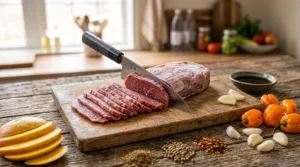
Place the beef in the freezer for approximately 45 minutes until it becomes slightly firm but not completely frozen. This simple trick allows you to slice the meat much more evenly, resulting in jerky that dries consistently. Using a sharp knife, cut the beef into strips about ¼ inch thick, slicing against the grain for a more tender texture or with the grain if you prefer chewier jerky.
Once sliced, pat the beef dry with paper towels to remove excess moisture. This helps the marinade cling better to the meat and improves the drying process later.
Step 2: Prepare the Mango Habanero Marinade
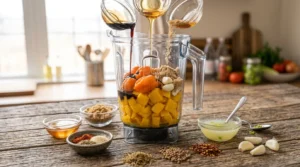
Add the diced mango, habanero peppers, soy sauce, Worcestershire sauce, brown sugar, honey, apple cider vinegar, lime juice, garlic, onion powder, smoked paprika, ginger, black pepper, and salt to a blender. Blend until the mixture becomes completely smooth and slightly thick.
Taste the marinade carefully using a clean spoon. If you’d like it sweeter, blend in a little extra honey or mango. If you enjoy more heat, add another small piece of habanero and blend again until fully incorporated.
Step 3: Marinate the Beef
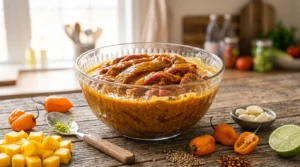
Transfer the sliced beef into a large zip-top bag or airtight container and pour the prepared marinade over the meat. Massage the bag gently so every strip is evenly coated with the flavorful mixture. Remove as much air as possible before sealing.
Place the beef in the refrigerator for at least 8 hours, although marinating overnight for 12 hours provides the richest flavor. During this time, the meat absorbs the sweet, spicy, and smoky ingredients, resulting in much more flavorful jerky.
Step 4: Arrange the Beef for Drying
Remove the beef from the marinade and gently pat away any excess liquid using paper towels. This helps prevent uneven drying and keeps the jerky from becoming sticky during the cooking process.
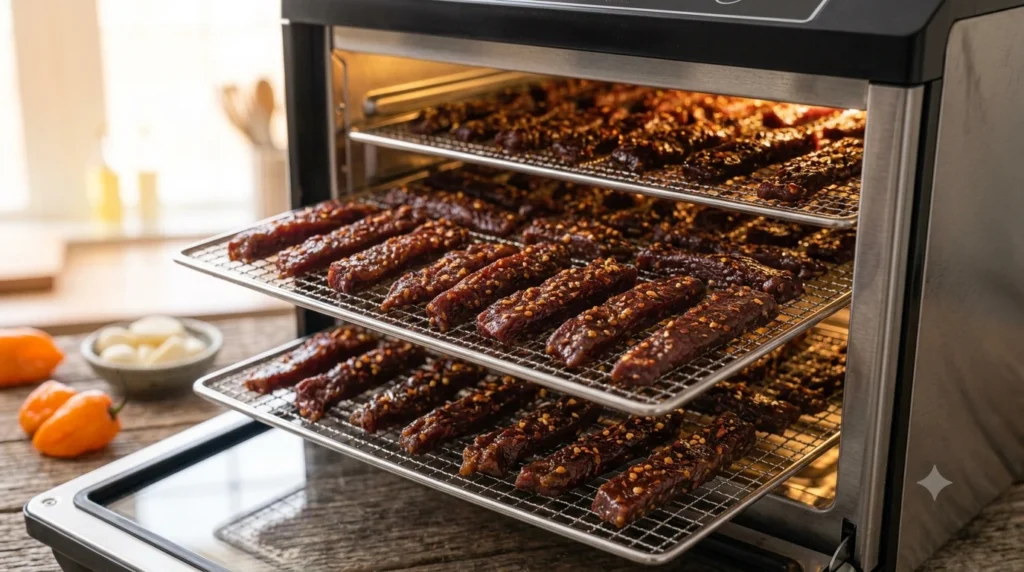
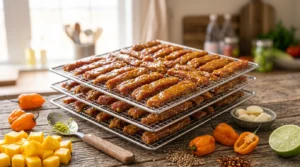
Arrange each strip in a single layer on your dehydrator trays or on wire racks placed over baking sheets if using an oven. Leave a small amount of space between each piece so warm air can circulate evenly around every strip.
Step 5: Dry Until Perfectly Chewy
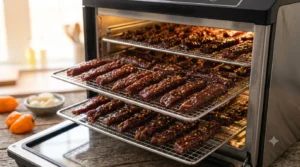
Dry the beef in a dehydrator at 160°F (71°C) for approximately 4 to 6 hours, depending on the thickness of the slices. If using an oven, set it to the lowest possible temperature—usually between 170°F and 175°F—and leave the oven door slightly open to allow moisture to escape.
The jerky is ready when it bends without breaking completely and shows small cracks along the surface. It should feel dry to the touch while still remaining pleasantly chewy in the center. Allow it to cool completely before storing it in an airtight container.
Recipe Card
Mango Habanero Jerky Recipe
Ingredients
Equipment
Method
- Place the beef in the freezer for approximately 45 minutes until it becomes slightly firm but not completely frozen. This simple trick allows you to slice the meat much more evenly, resulting in jerky that dries consistently. Using a sharp knife, cut the beef into strips about ¼ inch thick, slicing against the grain for a more tender texture or with the grain if you prefer chewier jerky.
- Once sliced, pat the beef dry with paper towels to remove excess moisture. This helps the marinade cling better to the meat and improves the drying process later.
- Add the diced mango, habanero peppers, soy sauce, Worcestershire sauce, brown sugar, honey, apple cider vinegar, lime juice, garlic, onion powder, smoked paprika, ginger, black pepper, and salt to a blender. Blend until the mixture becomes completely smooth and slightly thick.
- Taste the marinade carefully using a clean spoon. If you’d like it sweeter, blend in a little extra honey or mango. If you enjoy more heat, add another small piece of habanero and blend again until fully incorporated.
- Transfer the sliced beef into a large zip-top bag or airtight container and pour the prepared marinade over the meat. Massage the bag gently so every strip is evenly coated with the flavorful mixture. Remove as much air as possible before sealing.
- Place the beef in the refrigerator for at least 8 hours, although marinating overnight for 12 hours provides the richest flavor. During this time, the meat absorbs the sweet, spicy, and smoky ingredients, resulting in much more flavorful jerky.
- Remove the beef from the marinade and gently pat away any excess liquid using paper towels. This helps prevent uneven drying and keeps the jerky from becoming sticky during the cooking process.
- Arrange each strip in a single layer on your dehydrator trays or on wire racks placed over baking sheets if using an oven. Leave a small amount of space between each piece so warm air can circulate evenly around every strip.
- Dry the beef in a dehydrator at 160°F (71°C) for approximately 4 to 6 hours, depending on the thickness of the slices. If using an oven, set it to the lowest possible temperature—usually between 170°F and 175°F—and leave the oven door slightly open to allow moisture to escape.
- The jerky is ready when it bends without breaking completely and shows small cracks along the surface. It should feel dry to the touch while still remaining pleasantly chewy in the center. Allow it to cool completely before storing it in an airtight container.
Notes
Pro Tips for the Best Mango Habanero Jerky
Making great homemade jerky isn’t difficult, but paying attention to a few small details can make a noticeable difference in both flavor and texture. From choosing the right cut of beef to allowing enough marinating time, these simple tips will help you achieve consistently delicious results. Whether you’re using a dehydrator or an oven, following these recommendations will ensure every batch turns out flavorful, chewy, and perfectly balanced.
Choose Lean Cuts of Beef
Lean cuts such as top round, eye of round, bottom round, or flank steak are ideal for jerky because they contain very little fat. Fat doesn’t dehydrate well and can cause the jerky to spoil more quickly during storage. Selecting lean meat also creates a cleaner texture and extends the shelf life of your homemade snack.
Freeze the Beef Before Slicing
Placing the beef in the freezer for about 45 minutes before slicing makes it much easier to cut thin, even strips. Consistent thickness is important because it allows every piece to dry at the same rate, preventing some strips from becoming overcooked while others remain under-dried.
Marinate Overnight
Although eight hours is enough for the beef to absorb the flavors, marinating overnight produces even better results. The sweet mango, spicy habanero, and savory seasonings have more time to penetrate the meat, creating a richer and more balanced flavor throughout every bite.
Don’t Overcrowd the Trays
Whether you’re using a dehydrator or an oven, leave a small gap between each strip of beef. Proper airflow allows moisture to escape evenly, helping the jerky dry consistently while preventing pieces from sticking together.
Test Before Removing
Different dehydrators and ovens can vary slightly in temperature, so always begin checking the jerky near the end of the suggested drying time. Properly finished jerky should bend easily while showing small surface cracks without snapping completely in half.
Flavor Variations
One of the biggest advantages of making homemade jerky is the ability to customize the flavor to suit your personal taste. Small ingredient changes can create entirely different flavor profiles while keeping the same basic preparation method. Feel free to experiment until you discover your favorite combination.
Extra Spicy Version
If you enjoy intense heat, increase the number of habanero peppers or add a pinch of cayenne pepper, ghost pepper powder, or crushed red pepper flakes. Be careful when making adjustments, as habaneros are naturally very hot and a little goes a long way.
Smoky Barbecue Style
For a deeper smoky flavor, add a teaspoon of liquid smoke and increase the smoked paprika slightly. A small amount of barbecue seasoning can also create a delicious backyard barbecue-inspired jerky that’s perfect for summer gatherings.
Tropical Citrus Twist
Fresh pineapple juice or orange juice can be blended into the marinade to create an even brighter tropical flavor. The natural fruit sugars also help produce a beautiful glaze while complementing the sweetness of the ripe mango.
Garlic Lover’s Version
If you’re a fan of bold savory flavors, increase the garlic to five or six cloves and add a little extra onion powder. This creates a more robust marinade that balances beautifully with the sweetness of the fruit.
Lower Sodium Option
Reduce the soy sauce slightly and replace part of it with coconut aminos. This keeps the marinade flavorful while lowering the overall sodium content, making it a great choice for those watching their salt intake.
What to Serve with Mango Habanero Jerky
Although this jerky is satisfying on its own, pairing it with complementary foods can turn it into a more complete snack or light meal. Its combination of sweet, smoky, and spicy flavors works well with a variety of fresh fruits, cheeses, and crunchy sides.
For a protein-packed snack board, serve the jerky alongside cheddar cheese, pepper jack, smoked gouda, mixed nuts, olives, and whole-grain crackers. The creamy cheese balances the heat from the habanero peppers while adding another layer of flavor.
Fresh fruit is another excellent pairing. Mango slices, pineapple chunks, grapes, apple slices, and watermelon all provide refreshing sweetness that complements the spicy jerky. If you’re packing it for hiking or road trips, trail mix and roasted almonds make excellent travel-friendly companions.
For beverages, consider iced tea, sparkling water with lime, lemonade, or even a tropical fruit smoothie. Their refreshing flavors help cool the palate while highlighting the fruity notes in the marinade.
Storage and Shelf Life
Proper storage is essential for maintaining the freshness and texture of homemade jerky. Once the jerky has finished drying, allow it to cool completely before placing it into storage containers. Storing warm jerky can create condensation, which may reduce its shelf life.
Transfer the cooled jerky to an airtight container, vacuum-sealed bag, or resealable zip-top bag. Store it in a cool, dry place for up to one week, or refrigerate it for two to three weeks for maximum freshness. Vacuum sealing can significantly extend the storage time by limiting exposure to air.
For longer storage, freeze the jerky in freezer-safe bags for up to three months. When you’re ready to enjoy it, simply thaw the desired amount at room temperature for a few minutes before serving. The texture and flavor remain excellent when frozen properly.
Common Mistakes to Avoid
Even experienced home cooks occasionally make mistakes when preparing jerky. Fortunately, these problems are easy to avoid with a little extra attention during the preparation process.
Slicing the Beef Too Thick
Thick slices require much longer drying times and often dry unevenly. Keeping the strips close to one-quarter inch thick helps ensure consistent texture throughout the batch.
Using Fatty Meat
Fat may taste great in steaks, but it isn’t ideal for jerky because it doesn’t dehydrate properly. Excess fat can shorten the shelf life and make the finished jerky greasy.
Not Marinating Long Enough
Rushing the marinating process prevents the beef from absorbing the full depth of flavor. Allowing the meat to marinate overnight results in noticeably richer and more balanced seasoning.
Overdrying the Jerky
Leaving the jerky in the dehydrator too long can make it tough and brittle. Begin checking for doneness toward the end of the recommended drying time to preserve its chewy texture.
Storing Before Cooling
Packing warm jerky immediately after drying traps moisture inside the container. Always allow it to cool completely before storing to help maintain freshness and prevent unwanted moisture buildup.
Nutrition Information (Approximate Per Serving)
The following nutritional information is an estimate and may vary depending on the exact cut of beef and ingredients used.
| Nutrient | Amount |
|---|---|
| Calories | 170 |
| Protein | 22g |
| Fat | 5g |
| Saturated Fat | 2g |
| Carbohydrates | 8g |
| Sugar | 6g |
| Fiber | 1g |
| Sodium | 540mg |
Because it’s naturally high in protein and relatively low in carbohydrates, this jerky makes an excellent snack for busy days, outdoor adventures, post-workout recovery, or meal prep.
Final Thoughts
This Mango Habanero Jerky Recipe is the perfect combination of sweet tropical fruit, smoky seasonings, and bold habanero heat. While it does require a little patience during the marinating and drying process, the final result is well worth the wait. Every bite delivers a satisfying balance of chewy texture, savory beef, fruity sweetness, and just the right amount of spice, making it a snack you’ll want to keep on hand all week.
Whether you’re preparing homemade jerky for road trips, hiking adventures, meal prep, or simply because you enjoy experimenting with new flavors, this recipe is an excellent place to start. It’s easy to customize, stores well, and tastes far fresher than most store-bought options. Once you’ve mastered this recipe, you can confidently experiment with different marinades and spice levels to create your own signature jerky that’s perfect for family, friends, and every snacking occasion.
Frequently Asked Questions
Can I make this recipe with chicken instead of beef?
Yes. Chicken breast can be used as an alternative, but it must be dried carefully and reach a safe internal temperature before dehydration. Because poultry requires extra food safety precautions, always follow recommended guidelines when preparing chicken jerky.
How spicy is this jerky?
The heat level depends on the number of habanero peppers you use. One pepper creates a pleasant spicy kick, while two or more produce significantly more heat. You can easily adjust the spice level to match your preference.
Can I make this without a dehydrator?
Absolutely. A standard oven works well by setting it to the lowest temperature, usually around 170°F (75°C), and leaving the door slightly open so moisture can escape during the drying process.
How do I know when the jerky is finished?
Properly dried jerky should bend without snapping in half. Small cracks should appear when you bend a strip, but the inside should still have a slightly chewy texture rather than feeling brittle.
Can I reduce the sweetness?
Yes. Simply reduce the amount of honey or brown sugar in the marinade. The mango still provides natural sweetness, so the finished jerky will remain flavorful even with less added sugar.
Is homemade jerky healthier than store-bought?
In many cases, yes. Homemade jerky allows you to control the ingredients, sodium level, sweetness, and preservatives. It also gives you the freedom to use high-quality meat and fresh ingredients for a more natural snack.
Can I use frozen mango?
Yes. Frozen mango works well as long as it is fully thawed and drained before blending. The flavor remains excellent and makes this recipe convenient throughout the year.
