
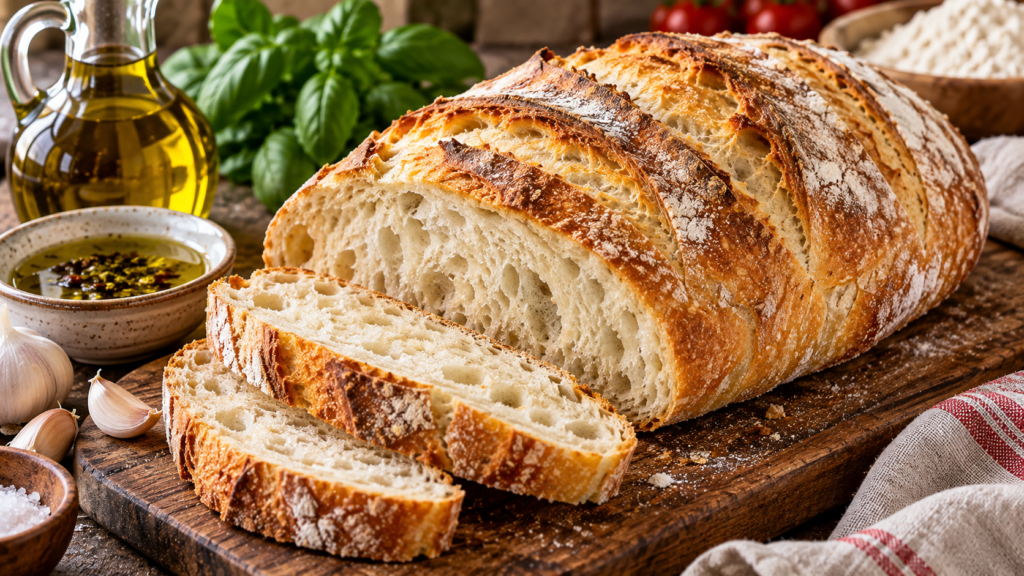
Have you ever wanted to bake a loaf of authentic Italian bread with a golden crust and a soft, airy interior right in your own kitchen? This Crusty Italian Bread Recipe delivers bakery-style results using simple pantry ingredients and traditional techniques. With its crisp exterior, chewy texture, and rich flavor, this homemade bread is perfect for sandwiches, soups, pasta dinners, or simply enjoying with olive oil.
Italian bread has been a staple of family meals for generations. While it may seem intimidating to make from scratch, the process is surprisingly straightforward. With a little patience during the rising stages, you’ll be rewarded with a beautiful loaf that fills your kitchen with the irresistible aroma of freshly baked bread.
Whether you’re a beginner baker or an experienced home cook, this recipe will help you create a delicious crusty Italian loaf that’s far better than store-bought bread.
Recipe Overview
- Recipe Name: Crusty Italian Bread
- Cuisine: Italian
- Category: Bread
- Prep Time: 20 Minutes
- Rise Time: 2 Hours
- Cook Time: 35 Minutes
- Total Time: 2 Hours 55 Minutes
- Servings: 12 Slices
- Calories: Approximately 180 kcal per slice
What Is Crusty Italian Bread?
Crusty Italian Bread is a traditional yeast bread known for its crisp golden crust and soft, airy interior. Unlike enriched breads that contain butter, milk, or eggs, classic Italian bread relies on simple ingredients such as flour, water, yeast, salt, and olive oil. The result is a versatile loaf with a chewy texture and rustic appearance that pairs beautifully with countless meals.
Why You’ll Love This Recipe
- Crispy bakery-style crust
- Soft and fluffy interior
- Made with simple ingredients
- Perfect for beginners
- Great for sandwiches and toast
- Freezer-friendly
- No special equipment required
- Authentic homemade flavor
Ingredients
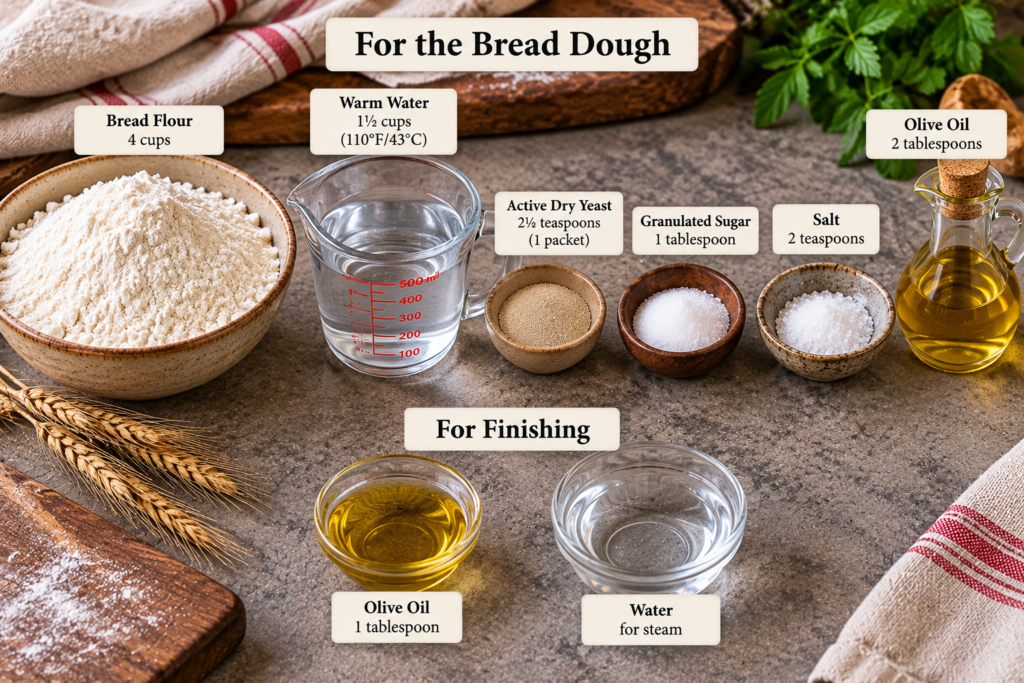
For the Bread Dough
These simple ingredients come together to create a beautifully textured Italian loaf.
- 4 cups bread flour
- 1½ cups warm water (110°F/43°C)
- 2¼ teaspoons active dry yeast (1 packet)
- 1 tablespoon granulated sugar
- 2 teaspoons salt
- 2 tablespoons olive oil
For Finishing
These optional ingredients help create an extra-crispy crust.
- 1 tablespoon olive oil
- Water for steam
Equipment Needed
- Large mixing bowl
- Measuring cups and spoons
- Baking sheet or baking stone
- Parchment paper
- Kitchen towel
- Sharp knife or bread lame
- Wire cooling rack
Recipe Video Guide
How to Make Crusty Italian Bread
Step 1: Activate the Yeast
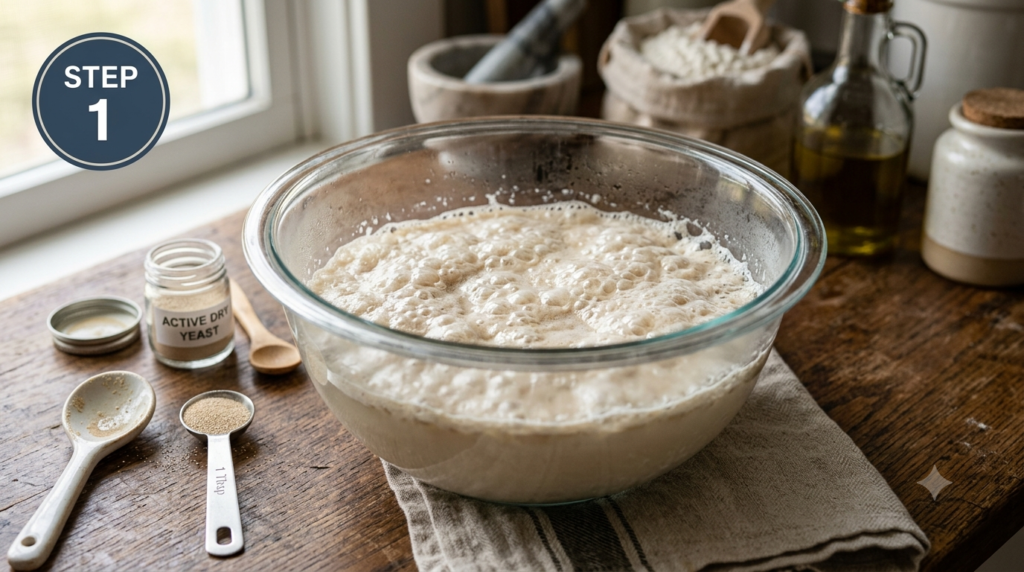
In a large mixing bowl, combine the warm water, sugar, and yeast. Stir gently and let the mixture sit for 5–10 minutes until it becomes foamy. This step ensures the yeast is active and ready to help the bread rise properly.
Step 2: Make the Dough
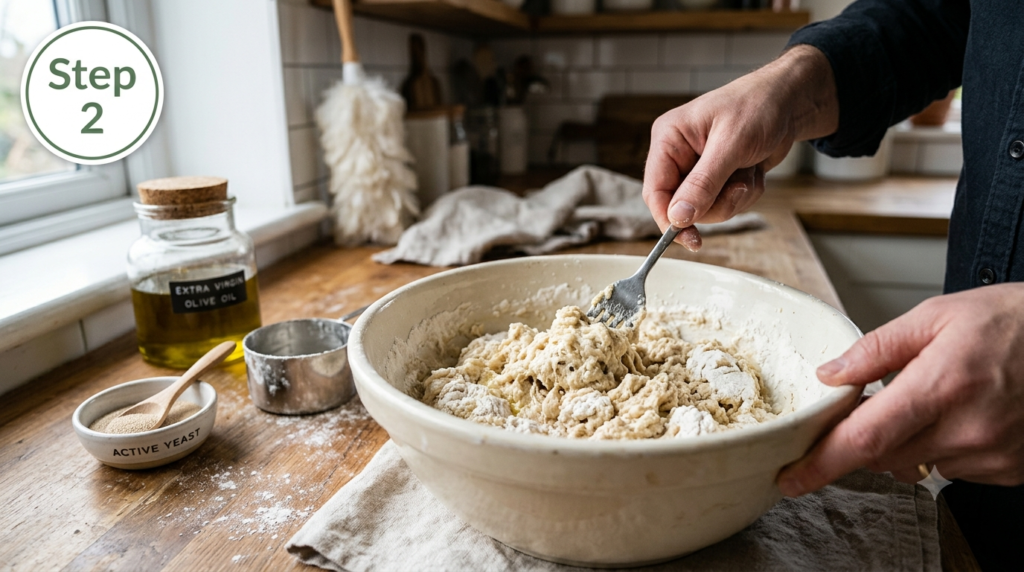
Add the bread flour, salt, and olive oil to the yeast mixture. Mix until a shaggy dough forms. Continue combining the ingredients until there are no dry patches of flour remaining.
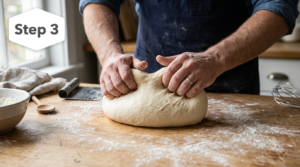
Step 3: Knead the Dough
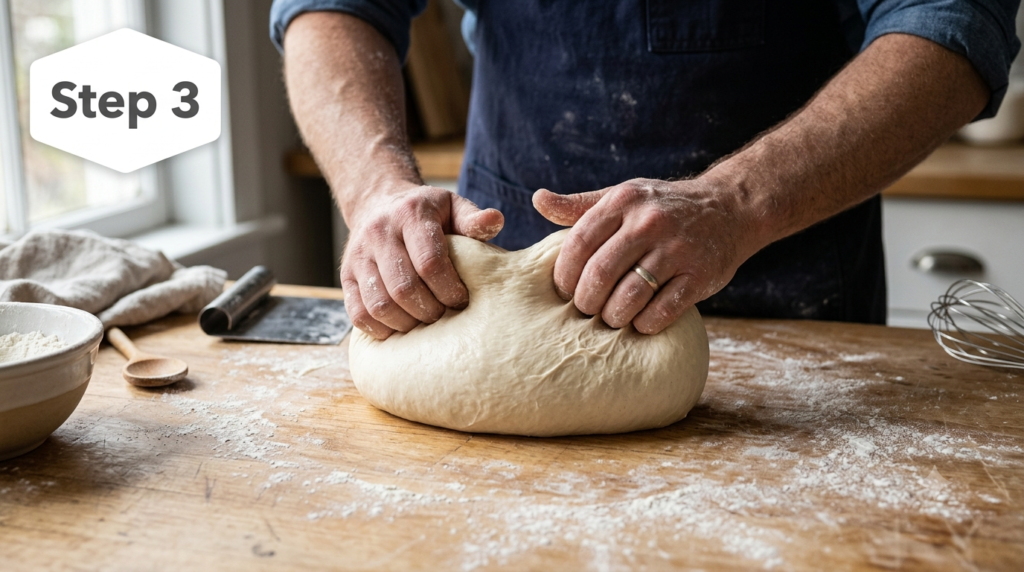
Transfer the dough to a lightly floured surface and knead for about 8–10 minutes until smooth and elastic. Proper kneading develops gluten, which gives the bread its characteristic chewy texture and structure.
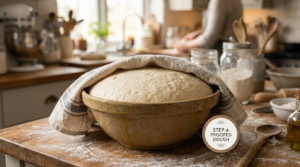
Step 4: First Rise
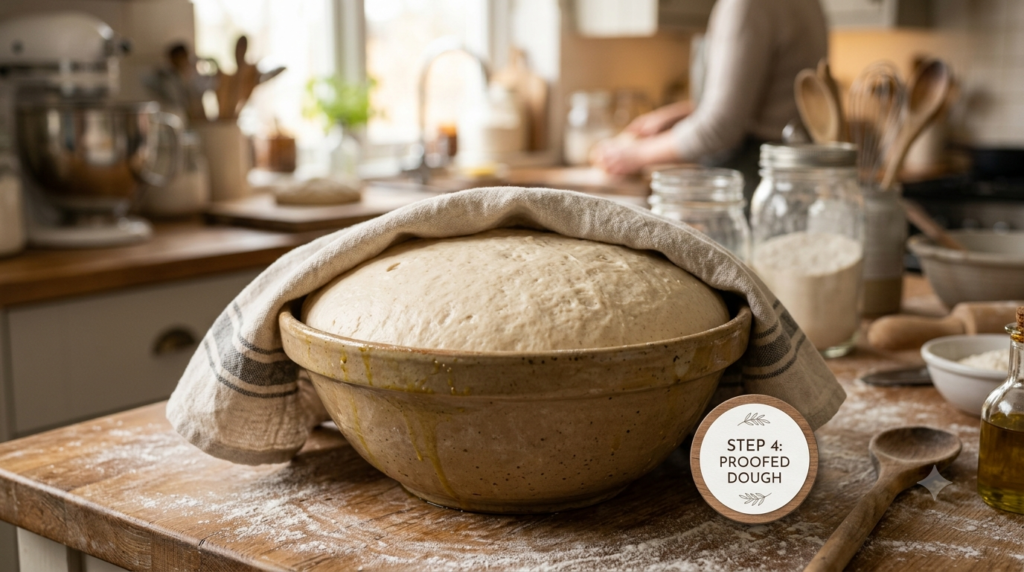
Place the dough in a lightly oiled bowl and cover it with a clean kitchen towel. Let it rise in a warm place for about 1 to 1½ hours or until doubled in size. This fermentation stage develops flavor and texture.
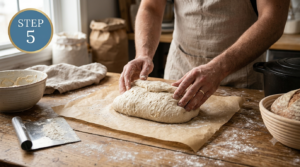
Step 5: Shape the Loaf
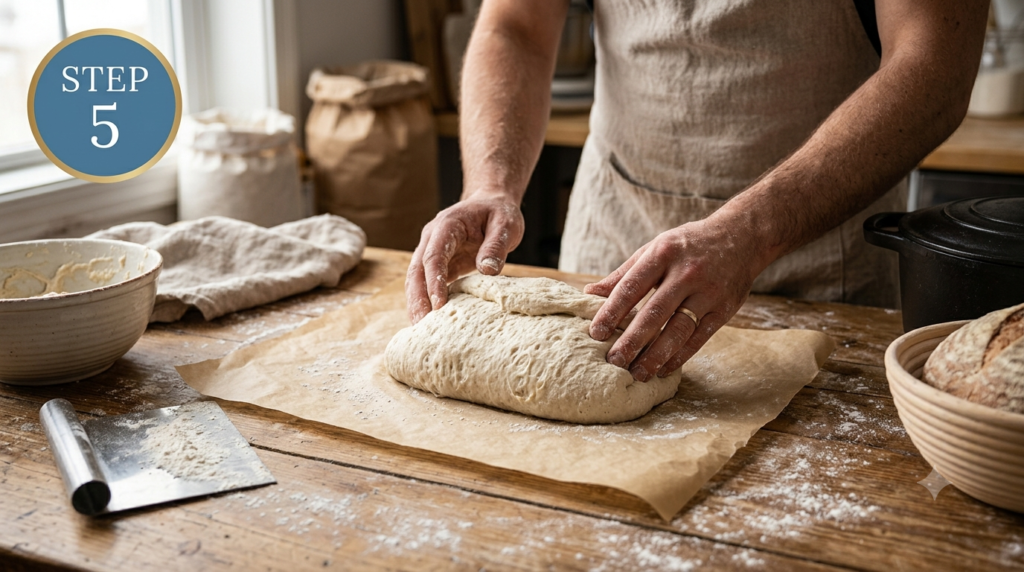
Punch down the dough gently to release excess air. Shape it into a long oval or traditional Italian loaf and place it on a parchment-lined baking sheet. Cover loosely and allow it to rise again for about 30 minutes.
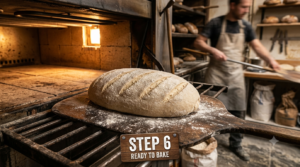
Step 6: Score and Bake
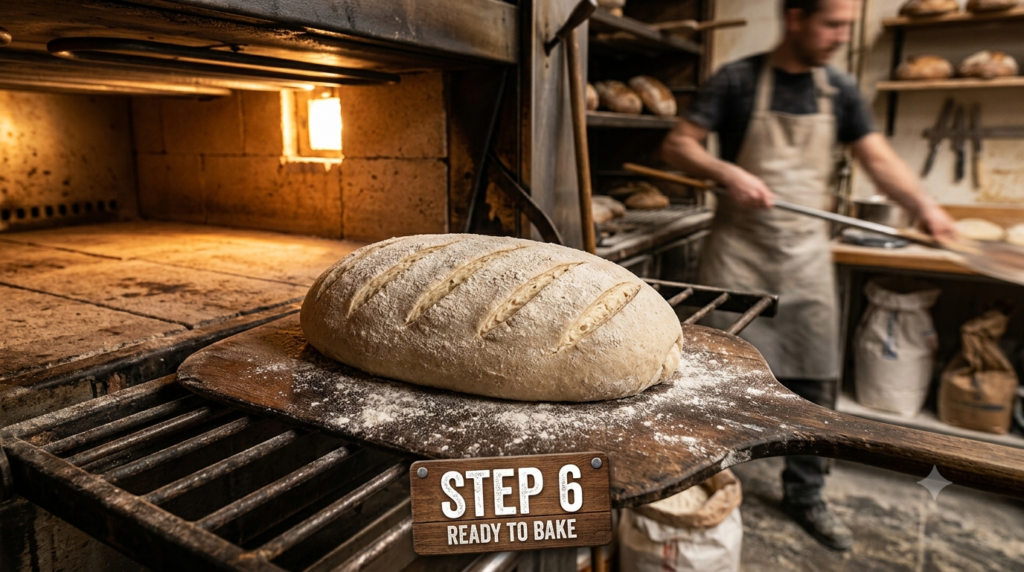
Preheat the oven to 425°F (220°C). Make several shallow diagonal slashes across the top of the loaf using a sharp knife. Place a small oven-safe pan with hot water on the lower rack to create steam, then bake the bread for 30–35 minutes until golden brown and crusty.
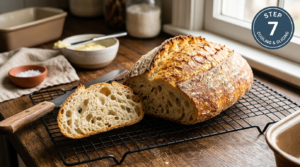
Step 7: Cool Before Slicing
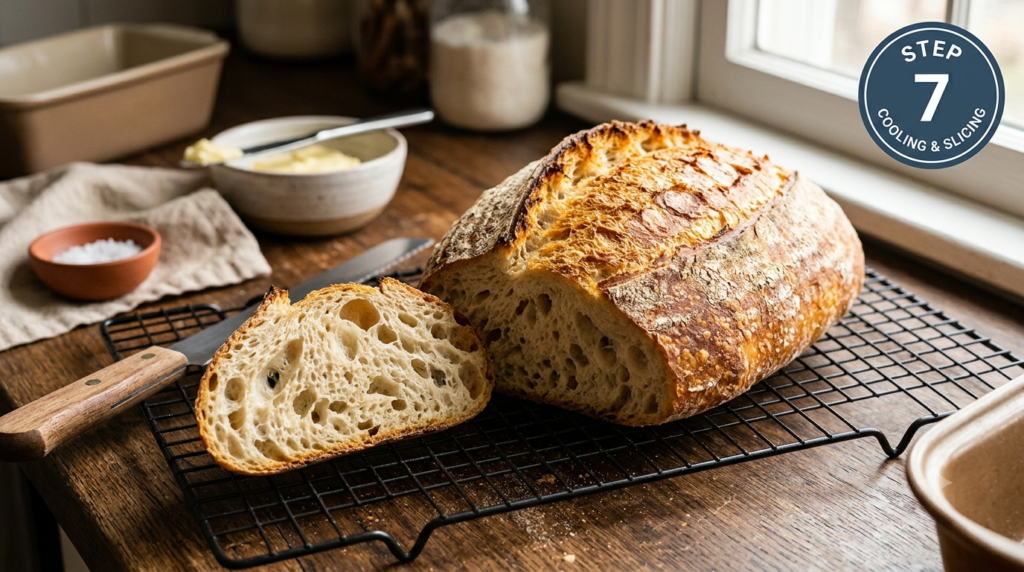
Remove the bread from the oven and transfer it to a wire rack. Allow it to cool completely before slicing. This helps the interior set properly and prevents a gummy texture.
Expert Tips for the Best Crusty Italian Bread
- Use bread flour instead of all-purpose flour for a chewier texture and better structure.
- Measure flour accurately using the spoon-and-level method.
- Allow enough rising time for maximum flavor and an airy crumb.
- Create steam in the oven to achieve a crisp, golden crust.
- Score the loaf just before baking to control expansion.
- Avoid adding too much flour while kneading, as this can make the bread dense.
- Let the bread cool completely before slicing for the best texture.
Delicious Variations
Garlic Italian Bread
Mix 2 teaspoons garlic powder into the dough for extra flavor.
Herb Italian Bread
Add dried oregano, basil, or rosemary to create an aromatic loaf.
Parmesan Bread
Mix grated Parmesan cheese into the dough before kneading.
Olive Bread
Fold sliced black or green olives into the dough during shaping.
Whole Wheat Italian Bread
Replace 1 cup of bread flour with whole wheat flour for a nuttier flavor.
Serving Suggestions
Crusty Italian Bread pairs perfectly with:
- Olive oil and balsamic vinegar
- Pasta dishes
- Tomato soup
- Minestrone soup
- Bruschetta
- Sandwiches
- Garlic butter
- Cheese platters
Storage Instructions
Room Temperature
Store in a bread bag or airtight container for up to 3 days.
Refrigerator
Not recommended, as refrigeration can dry out the bread.
Freezer
Wrap tightly and freeze for up to 3 months.
Reheating
Warm in a 350°F (175°C) oven for 5–8 minutes to refresh the crust.
Common Mistakes to Avoid
Using Water That Is Too Hot
Hot water can kill the yeast and prevent the dough from rising.
Skipping the Second Rise
The second rise improves texture and loaf volume.
Not Creating Steam
Steam is essential for achieving a crisp bakery-style crust.
Cutting Too Soon
Slicing hot bread can result in a gummy interior.
Over-Flouring the Dough
Too much flour can make the bread heavy and dense.
Nutrition Information
| Nutrient | Amount Per Slice |
|---|---|
| Calories | 180 kcal |
| Carbohydrates | 35g |
| Protein | 6g |
| Fat | 2g |
| Saturated Fat | 0.3g |
| Cholesterol | 0mg |
| Fiber | 1g |
| Sugar | 1g |
| Sodium | 290mg |
Nutrition values are approximate and may vary based on ingredient brands and serving sizes.
Final Thoughts
This Crusty Italian Bread Recipe proves that bakery-quality bread can be made at home with just a few simple ingredients. The crisp golden crust, chewy interior, and rustic appearance make it a versatile addition to countless meals.
Whether you’re serving it alongside pasta, dipping it into soup, or using it for sandwiches, this homemade Italian bread delivers exceptional flavor and texture. Once you experience the aroma and taste of freshly baked bread from your own oven, you’ll want to make it again and again.
You may also like: Gluten Free Kecap Manis Recipe
Frequently Asked Questions
Why is my Italian bread not crusty?
A lack of steam in the oven is often the main reason. Adding a pan of hot water helps create a crisp crust.
Can I use all-purpose flour?
Yes, but bread flour produces a chewier texture and better rise.
How do I know when the bread is done?
The loaf should be golden brown and sound hollow when tapped on the bottom.
Can I make the dough ahead of time?
Yes. You can refrigerate the dough overnight for a slower fermentation and enhanced flavor.
Why did my bread turn out dense?
Common causes include inactive yeast, insufficient kneading, or not allowing enough rising time.
Can I freeze baked Italian bread?
Absolutely. Wrap it tightly and freeze for up to 3 months.
Recipe Card
Crusty Italian Bread Recipe
Ingredients
Equipment
Method
- In a large mixing bowl, combine the warm water, sugar, and yeast. Stir gently and let the mixture sit for 5–10 minutes until it becomes foamy. This step ensures the yeast is active and ready to help the bread rise properly.
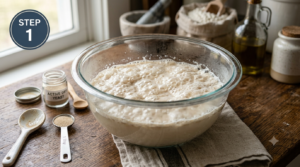
- Add the bread flour, salt, and olive oil to the yeast mixture. Mix until a shaggy dough forms. Continue combining the ingredients until there are no dry patches of flour remaining.
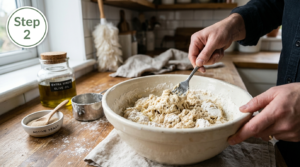
- Transfer the dough to a lightly floured surface and knead for about 8–10 minutes until smooth and elastic. Proper kneading develops gluten, which gives the bread its characteristic chewy texture and structure.
- Place the dough in a lightly oiled bowl and cover it with a clean kitchen towel. Let it rise in a warm place for about 1 to 1½ hours or until doubled in size. This fermentation stage develops flavor and texture.
- Punch down the dough gently to release excess air. Shape it into a long oval or traditional Italian loaf and place it on a parchment-lined baking sheet. Cover loosely and allow it to rise again for about 30 minutes.
- Preheat the oven to 425°F (220°C). Make several shallow diagonal slashes across the top of the loaf using a sharp knife. Place a small oven-safe pan with hot water on the lower rack to create steam, then bake the bread for 30–35 minutes until golden brown and crusty.
- Remove the bread from the oven and transfer it to a wire rack. Allow it to cool completely before slicing. This helps the interior set properly and prevents a gummy texture.
Video
Notes
- Use bread flour instead of all-purpose flour for a chewier texture and better structure.
- Measure flour accurately using the spoon-and-level method.
- Allow enough rising time for maximum flavor and an airy crumb.
- Create steam in the oven to achieve a crisp, golden crust.
- Score the loaf just before baking to control expansion.
- Avoid adding too much flour while kneading, as this can make the bread dense.
- Let the bread cool completely before slicing for the best texture
