
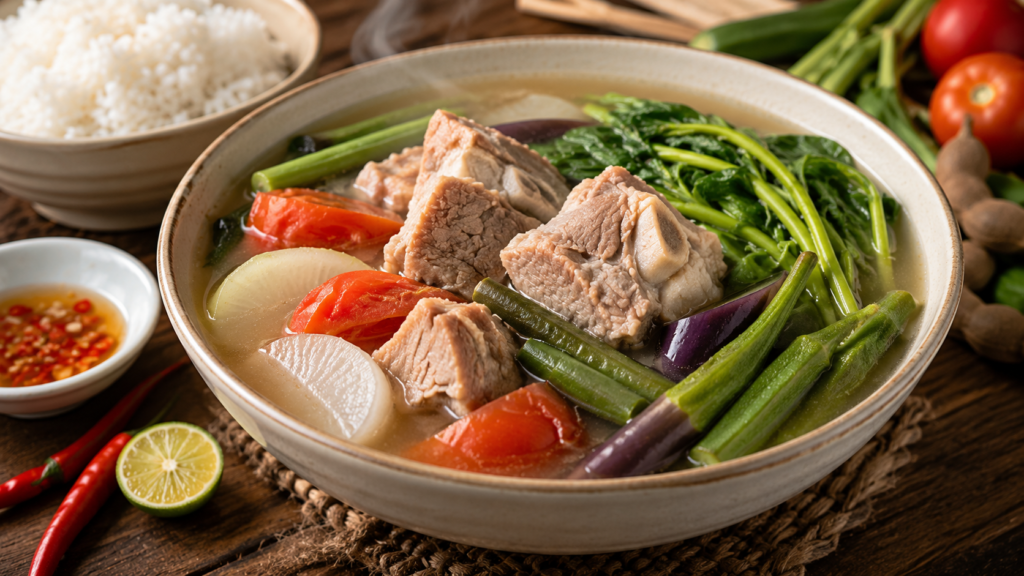
If you’re looking for a comforting, flavorful soup that’s both hearty and refreshing, this Sinigang Recipe is the perfect dish to make. Sinigang is one of the Philippines’ most beloved traditional dishes, famous for its rich savory broth and signature sour taste. The soup is typically made with tamarind, fresh vegetables, and your choice of pork, beef, shrimp, or fish.
This homemade version captures the authentic Filipino flavors while remaining simple enough for beginners. Every spoonful is packed with tender meat, nutritious vegetables, and a perfectly balanced tangy broth that pairs beautifully with steamed rice.
Whether you’re preparing a comforting family dinner or exploring Filipino cuisine for the first time, this Sinigang recipe is guaranteed to become one of your favorites.
Recipe Overview
- Prep Time: 20 minutes
- Cook Time: 1 hour 20 minutes
- Total Time: 1 hour 40 minutes
- Servings: 6
- Difficulty: Easy
Why You’ll Love This Sinigang Recipe
Sinigang is one of those dishes that delivers incredible flavor with surprisingly simple ingredients. The slow-cooked broth develops deep savory notes while the tamarind provides its famous refreshing sourness.
Here are a few reasons to love this recipe:
- Authentic Filipino flavor
- Rich and comforting broth
- Packed with vegetables
- Easy one-pot meal
- Perfect for family dinners
- Naturally nutritious
- Great for meal prep
- Easily customizable with different proteins
What Is Sinigang?
Sinigang is a traditional Filipino sour soup that has been enjoyed for generations. The word “sinigang” refers to dishes cooked in a sour broth, most commonly flavored with tamarind. Depending on the region and family tradition, other souring agents such as green mangoes, calamansi, guava, or kamias may also be used.
The soup usually contains pork ribs, pork belly, beef, shrimp, or fish along with vegetables like radish, eggplant, okra, tomatoes, kangkong (water spinach), and long beans. The combination creates a balanced meal that’s both comforting and refreshing.
Its unique sour broth is what sets Sinigang apart from other soups around the world.
Ingredients
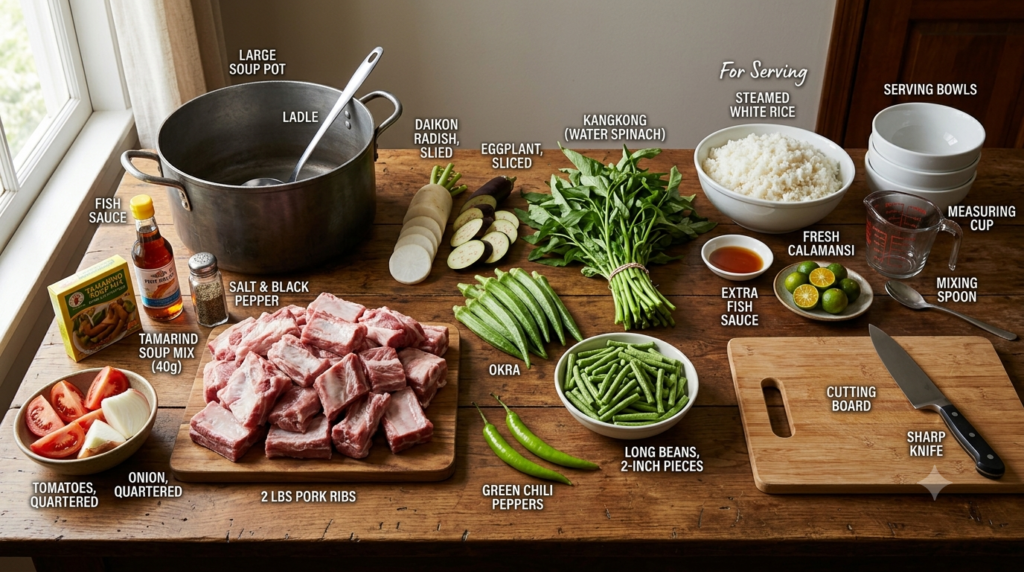
For the Soup
- 2 pounds pork ribs (or pork belly)
- 8 cups water
- 2 medium tomatoes, quartered
- 1 large onion, quartered
- 1 packet (40g) tamarind soup mix (or fresh tamarind pulp)
- 1 tablespoon fish sauce
- Salt and black pepper to taste
Vegetables
- 1 daikon radish, sliced
- 1 eggplant, sliced
- 10 okra
- 1 bunch kangkong (water spinach)
- 1 cup long beans, cut into 2-inch pieces
- 2 green chili peppers (optional)
For Serving
- Steamed white rice
- Extra fish sauce
- Fresh calamansi
Kitchen Equipment
You’ll need:
- Large soup pot
- Sharp knife
- Cutting board
- Ladle
- Measuring cups
- Mixing spoon
- Serving bowls
How to Make Sinigang Recipe
Step 1: Boil the Pork
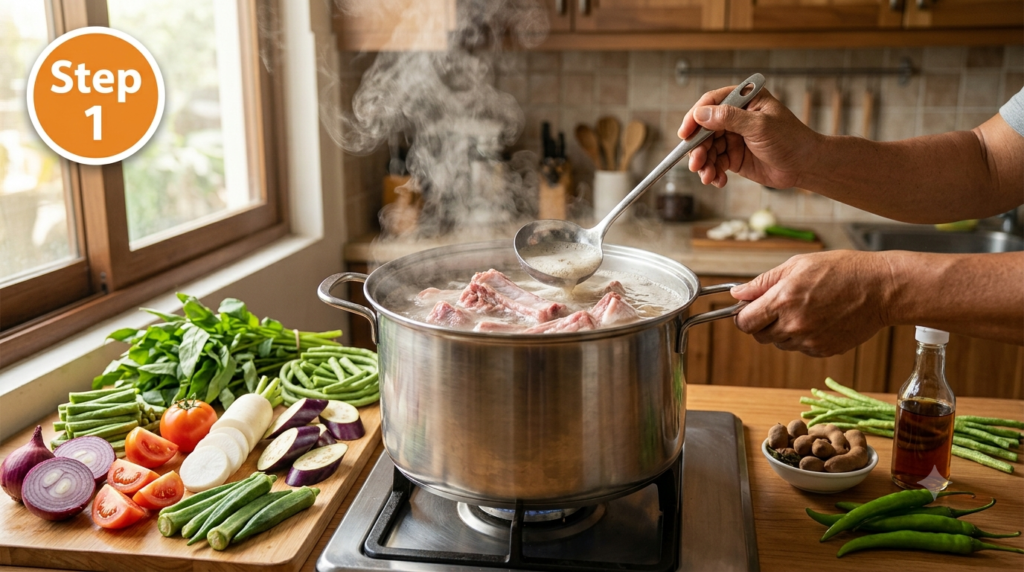
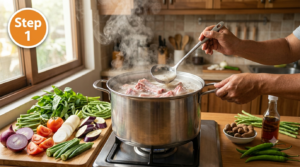
Place the pork ribs and water into a large pot. Bring to a boil over medium-high heat, then skim off any foam that rises to the surface. This helps create a clear and flavorful broth.
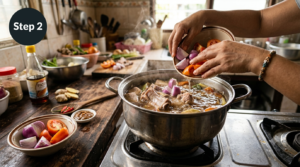
Step 2: Add Aromatics
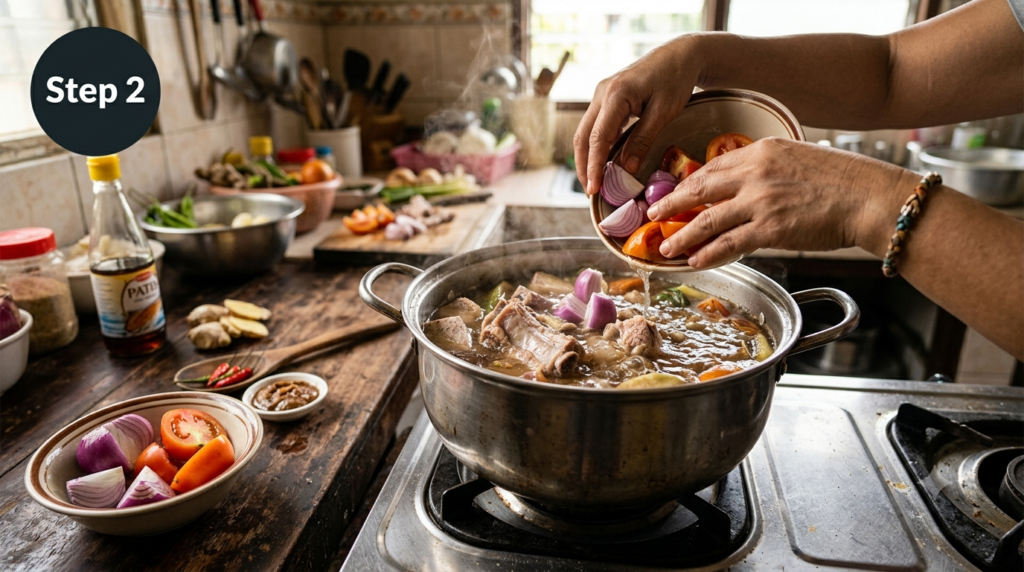
Add the quartered onions and tomatoes to the pot. Reduce the heat to a gentle simmer and cook for about 45–60 minutes, or until the pork becomes tender.
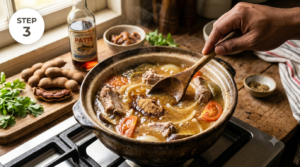
Step 3: Season the Broth
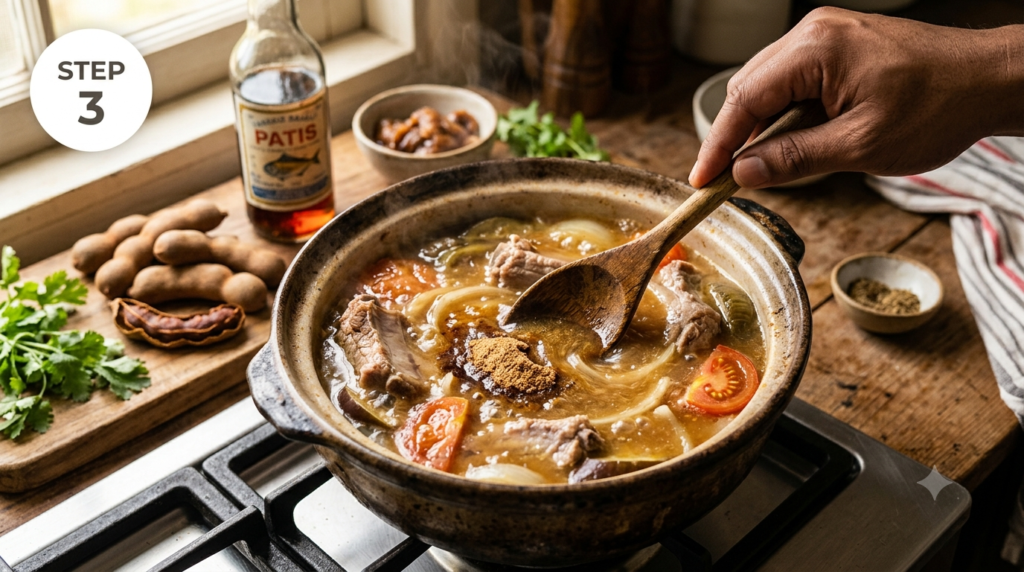
Stir in the tamarind soup mix and fish sauce. Mix well until the tamarind fully dissolves into the broth. Taste and adjust the sourness or salt according to your preference.
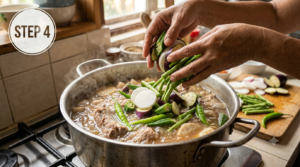
Step 4: Cook the Vegetables
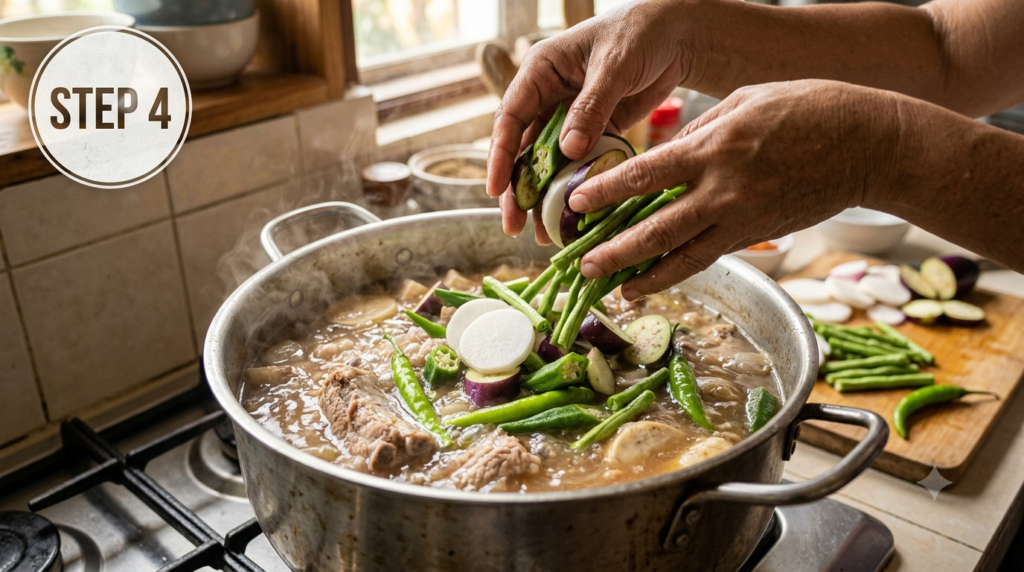
Add the sliced daikon radish first and cook for about 5 minutes. Then add the eggplant, long beans, okra, and green chilies. Continue cooking until the vegetables are tender but still vibrant.
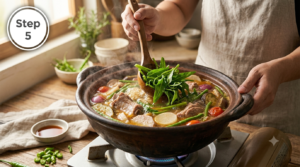
Step 5: Add the Kangkong
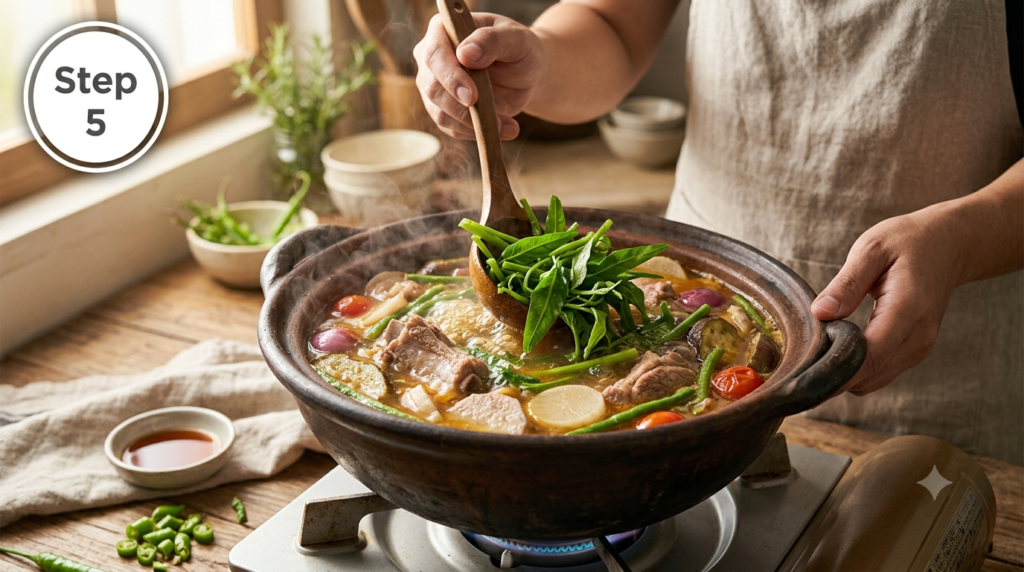
Finally, stir in the kangkong leaves and stems. Cook for just 1–2 minutes until they wilt while maintaining their bright green color.
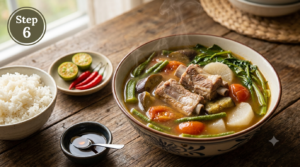
Step 6: Serve and Enjoy
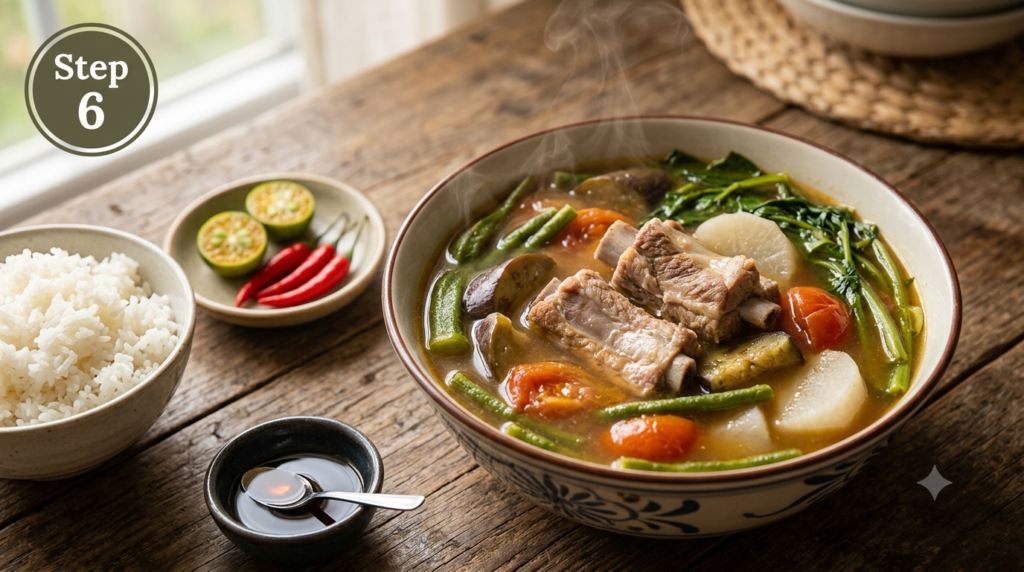
Ladle the hot Sinigang into individual serving bowls, making sure each serving includes a generous portion of pork, vegetables, and the flavorful sour broth. Serve immediately with steamed white rice and a small dish of fish sauce mixed with fresh calamansi for those who enjoy an extra burst of flavor. Sinigang tastes best when served piping hot, allowing its comforting aroma and tangy broth to shine.
Recipe Video Guide
Expert Tips for the Best Sinigang Recipe
Follow these tips to make your homemade Sinigang taste just like it’s served in Filipino homes and restaurants.
- Simmer the pork slowly to develop a rich, flavorful broth.
- Skim off the foam during the first boil for a cleaner soup.
- Fresh tamarind provides the most authentic sour flavor, but tamarind soup mix is a convenient alternative.
- Add vegetables according to their cooking times so they remain tender without becoming mushy.
- Taste the broth before serving and adjust the sourness with more tamarind if needed.
- Avoid overcooking the kangkong, as it wilts very quickly.
- Let the soup rest for a few minutes before serving to allow the flavors to blend.
Delicious Variations
Sinigang na Baboy
The most popular version, made with pork ribs or pork belly for a rich and hearty broth.
Sinigang na Hipon
A lighter version prepared with fresh shrimp, which cooks much faster and adds natural sweetness.
Sinigang na Baka
Made with beef short ribs or beef shank, this variation has a deeper, richer flavor and requires a longer simmering time.
Sinigang na Isda
Prepared with milkfish, salmon, or snapper for a lighter seafood version that’s popular in coastal regions.
Vegetarian Sinigang
Replace the meat with tofu and mushrooms, and use vegetable broth instead of pork stock for a satisfying vegetarian meal.
What to Serve with Sinigang
Sinigang pairs wonderfully with simple side dishes that complement its tangy broth.
- Steamed jasmine rice
- Garlic fried rice
- Fried fish
- Crispy pork belly
- Grilled chicken
- Lumpia (Filipino spring rolls)
- Fried eggplant
- Salted eggs with tomatoes
- Green mango salad
- Fresh calamansi wedges
Storage & Reheating
Sinigang stores well, and its flavors often become even better the next day.
Refrigerator
Store leftovers in an airtight container for up to 3 days.
Freezer
Freeze the soup without the leafy vegetables for up to 2 months. Add fresh kangkong after reheating for the best texture.
Reheating
Warm the soup gently over medium heat until hot. Avoid boiling vigorously, as this can overcook the vegetables and meat.
Common Mistakes to Avoid
Skipping the Foam Removal
Leaving the foam in the pot can make the broth cloudy and affect its clean flavor.
Overcooking the Vegetables
Vegetables should remain slightly firm to preserve their color and texture.
Adding Kangkong Too Early
Kangkong cooks in just a couple of minutes. Adding it too soon makes it overly soft.
Not Balancing the Sourness
Taste the broth before serving and adjust with more tamarind or fish sauce as needed.
Using Too Little Water
The broth is the heart of Sinigang. Ensure there’s enough liquid to fully develop the soup’s rich flavor.
Nutrition Information
| Nutrient | Amount (Per Serving) |
|---|---|
| Calories | 390 kcal |
| Protein | 28 g |
| Carbohydrates | 12 g |
| Fat | 25 g |
| Saturated Fat | 8 g |
| Cholesterol | 85 mg |
| Sodium | 780 mg |
| Fiber | 4 g |
| Sugar | 5 g |
| Calcium | 70 mg |
| Iron | 2.5 mg |
Nutrition values are approximate and may vary depending on the ingredients used.
Final Thoughts
This Sinigang Recipe is the perfect example of why Filipino cuisine is loved around the world. Its signature tangy broth, tender meat, and colorful vegetables create a comforting meal that’s both satisfying and nourishing. Whether you’re making the traditional pork version or experimenting with shrimp, beef, fish, or vegetarian options, Sinigang is a versatile dish that’s easy to customize for your family.
Serve it with a bowl of steamed rice, gather everyone around the table, and enjoy one of the Philippines’ most iconic comfort foods right at home.
You may also Agedashi Tofu Recipe.
Frequently Asked Questions
What gives Sinigang its sour flavor?
Traditional Sinigang gets its distinctive sour taste from tamarind. Some regional variations also use green mango, guava, kamias, or calamansi.
Can I use fresh tamarind instead of soup mix?
Yes. Fresh tamarind provides a richer and more authentic flavor than packaged tamarind soup mix.
What is the best cut of pork for Sinigang?
Pork ribs are the most popular choice because they become tender while adding plenty of flavor to the broth. Pork belly is another delicious option.
Can I make Sinigang ahead of time?
Absolutely. Many people find that the soup tastes even better the next day as the flavors continue to develop.
Is Sinigang spicy?
Traditional Sinigang is mildly tangy rather than spicy. Green chilies can be added for gentle heat if desired.
Can I freeze Sinigang?
Yes. Freeze the soup without the leafy vegetables for the best quality, then add fresh greens after reheating.
Recipe Card
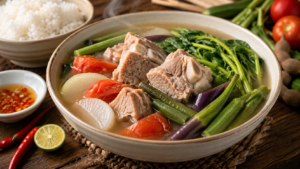
Sinigang Recipe
Ingredients
Equipment
Method
- Place the pork ribs and water into a large pot. Bring to a boil over medium-high heat, then skim off any foam that rises to the surface. This helps create a clear and flavorful broth.
- Add the quartered onions and tomatoes to the pot. Reduce the heat to a gentle simmer and cook for about 45–60 minutes, or until the pork becomes tender.
- Stir in the tamarind soup mix and fish sauce. Mix well until the tamarind fully dissolves into the broth. Taste and adjust the sourness or salt according to your preference.
- Add the sliced daikon radish first and cook for about 5 minutes. Then add the eggplant, long beans, okra, and green chilies. Continue cooking until the vegetables are tender but still vibrant.
- Finally, stir in the kangkong leaves and stems. Cook for just 1–2 minutes until they wilt while maintaining their bright green color.
- Ladle the hot Sinigang into individual serving bowls, making sure each serving includes a generous portion of pork, vegetables, and the flavorful sour broth. Serve immediately with steamed white rice and a small dish of fish sauce mixed with fresh calamansi for those who enjoy an extra burst of flavor. Sinigang tastes best when served piping hot, allowing its comforting aroma and tangy broth to shine.
Video
Notes
- Steamed jasmine rice
- Garlic fried rice
- Fried fish
- Crispy pork belly
- Grilled chicken
- Lumpia (Filipino spring rolls)
- Fried eggplant
- Salted eggs with tomatoes
- Green mango salad
- Fresh calamansi wedges

1 thought on “Sinigang Recipe”