
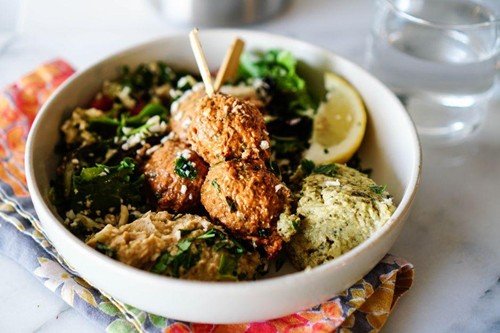
If your freezer usually holds pizza, fries, and a bag of mystery peas, falafel deserves a spot in the lineup. Across Canada, where busy school nights, long commutes, and cold-weather comfort food habits often shape dinner choices, frozen falafel can be surprisingly useful. You get bold flavor, solid texture, and plenty of flexibility without starting from scratch. The trick is knowing how to use it well, not just tossing it on a plate and hoping for the best.
What makes frozen falafel worth keeping on hand
Frozen falafel works because it solves a common kitchen problem: you want something filling and flavorful, but you don’t want a long prep session or a sink full of bowls. Traditional falafel takes planning, soaking, blending, shaping, and frying or baking. That’s a lot for a weekday.
A good frozen version gives you the base without the mess. You still get the earthy flavor of chickpeas, herbs, and spices, but with less effort and more consistency. That matters when you’re making lunch between classes or trying to pull together dinner after a long day.
You’ll also find that frozen falafels by Hafle Foods fit naturally into meals beyond wraps. They can work in grain bowls, salads, snack plates, and even breakfast setups. Think of them as a freezer staple with range, not a one-meal item.
How to cook frozen falafel so it actually tastes good
The biggest mistake people make with frozen falafel is treating it like an afterthought. If you microwave it and call it a day, you’ll probably get soft edges and a texture that feels a bit sad. Falafel deserves better.
For the best results, use:
– An oven for even heating and a crisp shell
– An air fryer for speed and texture
– A skillet for extra browning and a fresh-cooked feel
Let the outside get slightly crisp before serving. That contrast between the crunchy exterior and tender center is a big part of the appeal. If you’re baking, avoid overcrowding the tray. If you’re using an air fryer, shake halfway through.
Pairing matters too. Falafel on its own can feel dry, so add something cool or creamy like tahini sauce, garlic yogurt, hummus, or tzatziki. A squeeze of lemon helps wake everything up. Tiny move, big upgrade.
Easy meal ideas that go beyond the standard pita wrap
Yes, pita wraps are great. No argument there. Still, frozen falafel can do more heavy lifting than people expect. Once you stop thinking of it as just “Mediterranean fast food,” your options open up fast.
Try these practical meal ideas:
– Slice falafel into a rice bowl with cucumbers, tomatoes, pickled onions, and tahini
– Add it to a chopped salad for more protein and texture
– Serve it over couscous with roasted carrots and a lemony dressing
– Use it in a lunchbox with flatbread, dip, and crunchy vegetables
– Tuck it into a breakfast wrap with eggs and hot sauce
A bowl is often the easiest route. Build from what you already have in the fridge. Leftover roasted vegetables, greens that need using up, half a container of yogurt, random herbs hanging on for dear life, all of it can work. Falafel is pretty forgiving, which makes it useful.
How to balance texture, flavor, and nutrition in a falafel meal
A good falafel meal isn’t only about the falafel. It’s about balance. You want contrast in texture, enough acidity to cut through richness, and ingredients that make the meal feel complete instead of random.
Start with three parts:
– A base like greens, rice, quinoa, couscous, or flatbread
– Fresh elements like cucumbers, cabbage, radishes, or tomatoes
– A sauce or dressing with some tang, creaminess, or spice
Then think about crunch. Toasted seeds, pickled vegetables, or shredded lettuce can keep the meal from feeling too soft. Fresh herbs help too. Parsley, dill, or mint can make a fast meal taste more intentional.
From a nutrition angle, falafel gives you plant-based protein and fiber, but adding vegetables and a whole-grain base can round things out. If you’re feeding a family, this setup also works well because everyone can build their own plate without drama. That alone can feel like a culinary miracle.
Common mistakes that can ruin a frozen falafel dish
Falafel is convenient, but a few bad choices can flatten the whole meal. One issue is overloading the plate with dry ingredients. If you serve falafel with plain rice and raw spinach and skip sauce, the result can feel more like obligation than dinner.
Another problem is poor seasoning in the supporting ingredients. Falafel has flavor, but the rest of the plate needs attention too. Salt your grains. Dress your greens. Season your yogurt sauce. Little details matter.
Watch out for these common missteps:
– Using too much bread and not enough vegetables or sauce
– Serving falafel cold in the center because it wasn’t heated properly
– Pairing it with bland sides that don’t add contrast
– Letting it sit too long and lose crispness before serving
A simple fix is to prep everything else while the falafel cooks, then assemble right away. Fast meals still need timing. Not restaurant timing, obviously, but enough to avoid the floppy falafel effect.
Making frozen falafel work for meal prep and busy schedules
Frozen falafel shines brightest when your week is chaotic. It cooks quickly, portions easily, and fits into different meals without tasting repetitive if you switch up the extras. That makes it useful for students, parents, and anyone who opens the fridge and hopes inspiration magically appears.
For meal prep, cook a batch and store it separately from sauces and fresh vegetables. That helps preserve texture. Then mix and match through the week. One day it can go into a wrap, the next into a salad bowl, then onto a mezze-style plate with olives, cut vegetables, and dip.
Helpful prep ideas include:
– Portioning sauces into small containers
– Chopping cucumbers, lettuce, and herbs in advance
– Keeping pickled onions or turnips ready for fast assembly
– Pre-cooking grains so bowls come together faster
The point isn’t to make every meal perfect. It’s to make good food easier to repeat. Frozen falafel helps with that, especially when you want something with real flavor and almost no fuss.
Final thoughts on using frozen falafel well
Frozen falafel earns its place in your freezer when you treat it like a flexible ingredient instead of a backup plan. It can anchor quick lunches, easy dinners, and meal-prep bowls without much effort, but the result depends on how you build around it.
Use heat that gives it texture. Add sauces that bring moisture and brightness. Mix in fresh vegetables, grains, or bread with a little intention. Once you get that formula down, falafel stops being a niche item and starts acting like one of the smartest shortcuts in your kitchen. That’s a strong return for something pulled from the freezer.
