
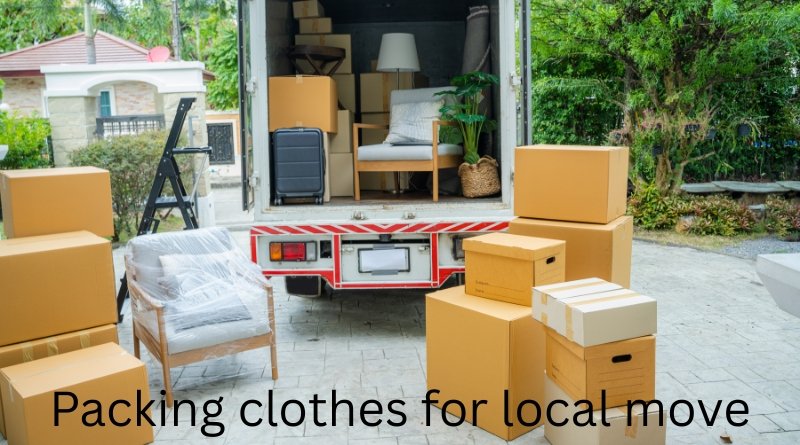
Packing for a moving day can take much time regardless of the volume of items, just because some of them require special attention. Fragile items like glass-containing decorative pieces, electronics and appliances have their own packing challenges. At the same time some items are often underestimated.
Although packing clothes and shoes for a local move may seem straightforward, poor organization can make moving day and unpacking unnecessarily time-consuming. Taking a structured approach helps protect your belongings and makes it easier to find what you need immediately after arriving at your new home, and here you can hire professional St. Albert movers to help you with more bulky items. Follow the packing advice below for clothes and shoes to reduce the possibility of mashups:
- Sort clothes before packing. Don’t pack every item directly from the closet into boxes. First, divide clothing into practical categories, such as everyday wear, work clothes, seasonal items, formal wear, and rarely used pieces. This is also a good opportunity to separate items for donation, disposal, or storage. Reducing the volume before moving means fewer boxes and less time spent carrying them.
- Pack according to the new home. Organize clothing not only based on what it is, but also where it will go. Keep clothing specific to a particular bedroom together, and clearly label each box with its contents and intended room. Separate boxes for adult clothing, children’s clothing, and seasonal garments can make unloading much more organized. Avoid creating boxes containing unrelated items from several rooms.
- Protect shoes and special garments. Ideally, shoes should be paired and packed together. Place heavier footwear at the bottom of boxes and lighter shoes on top. Use paper or other suitable protective material to prevent them from scratching each other or losing their shape. Garments such as formal wear, coats, and delicate fabrics may benefit from garment bags or separate transportation rather than being compressed into standard boxes.
- Prepare an essential clothing box. Set aside a small selection of clothes and shoes for the first day or two after the move. Include underwear, sleepwear, everyday clothing, weather-appropriate footwear, and basic personal care items. This will prevent you from having to open multiple boxes immediately when you need the essentials. This same principle is useful for children, especially when their belongings are packed several hours before they are needed.
- Take extra precautions in rain or snow. When moving in wet or snowy weather, keeping clothing and footwear dry becomes an additional priority. Use waterproof bags or plastic liners inside boxes containing clothes. Avoid leaving packed garments exposed while carrying them between the house and the moving truck. Keep shoes away from wet outdoor surfaces as much as possible and protect floors at both properties from water, mud, and melted snow. Keep towels and a change of dry clothing accessible rather than packed deep inside the moving truck.
