
Introduction
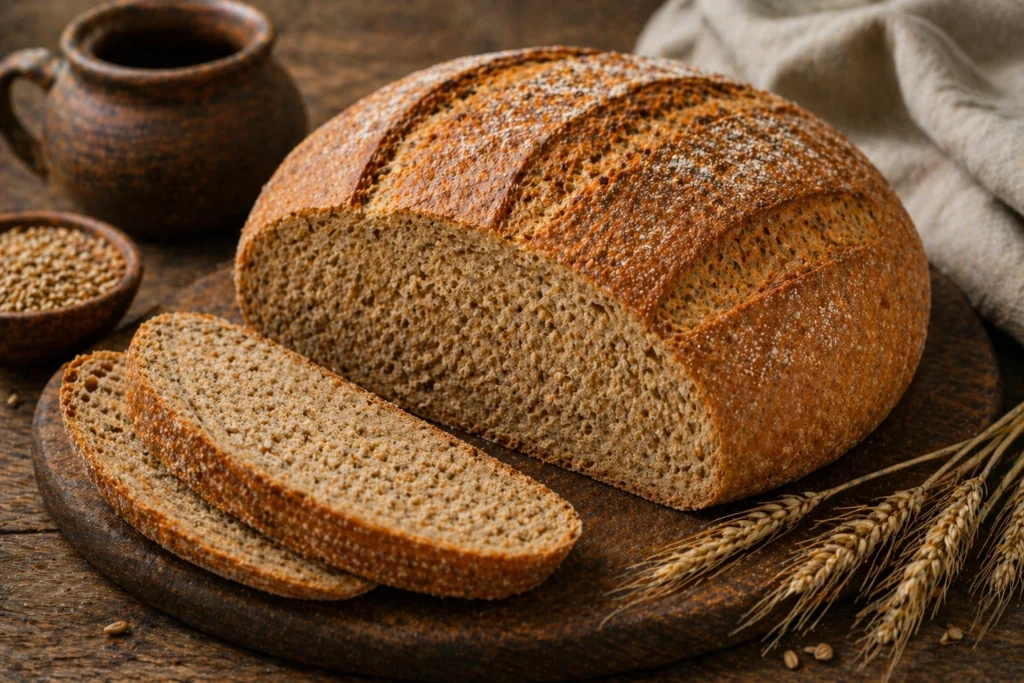
A medieval bread recipe connects us to simple, rustic baking traditions that relied on basic grains, water, and time-tested methods without modern ingredients.
This guide shows how to recreate hearty loaves using traditional techniques, helping you understand historical baking while enjoying fresh, homemade bread today.
Recipe Overview
- Prep Time: 15 minutes
- Cook Time: 30–35 minutes
- Total Time: 50 minutes
- Servings: 4–6
- Cuisine: European
- Category: Side Dishes
What is Medieval Bread Recipe?
A medieval bread recipe refers to traditional bread-making methods used during the Middle Ages, often using simple grains like barley, rye, or wheat.
These breads were typically dense, rustic, and made without commercial yeast, sometimes using sourdough starters or natural fermentation for rising.
What Does It Taste Like
Medieval-style bread has a rich, earthy flavor with a slightly dense texture, depending on the grain used, like rye, barley, or wheat.
Some variations, like medieval sourdough bread recipe versions, offer a mild tanginess, while others remain neutral, hearty, and filling.
If you enjoy creamy dishes, don’t miss our Pizza Hut Chicken Alfredo Pasta Recipe, a rich and comforting meal that pairs beautifully with rustic bread.
Why You Will Love This Recipe
This recipe is simple and uses basic ingredients, making it perfect for beginners who want to try a simple medieval bread recipe at home.
It is also highly customizable, allowing you to experiment with grains like rye or barley to create your own authentic medieval bread recipe.
My Experience
When I first tried a medieval bread recipe easy version, I was surprised by how simple and satisfying the process felt without modern tools.
The texture was denser than regular bread, but the flavor was wholesome and comforting, especially when eaten warm with butter.
Over time, I experimented with medieval wheat bread recipe variations, which gave softer results while still keeping the rustic taste intact.
Ingredients
Simple pantry ingredients create this traditional loaf.
| Ingredient | Quantity |
|---|---|
| Whole wheat flour | 2 cups |
| Barley flour | 1 cup |
| Warm water | 1½ cups |
| Salt | 1 teaspoon |
| Natural starter (optional) | ½ cup |
Equipment
- Mixing bowl
- Wooden spoon
- Baking tray
- Oven
- Clean cloth
How to Make Medieval Bread Recipe
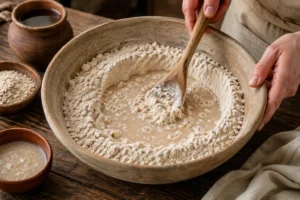
Step 1: Mix Ingredients
Combine flour, salt, and water in a bowl, stirring until a rough dough forms. Add starter if using for a medieval sourdough bread recipe variation.
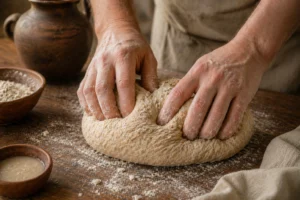
Step 2: Knead Dough
Knead the dough for about ten minutes until smooth and elastic, ensuring proper gluten development for better structure and texture.
Step 3: Rest the Dough
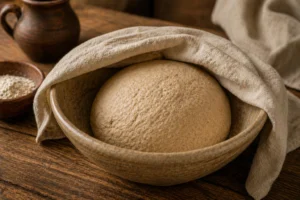
Cover the dough with a cloth and let it rest for one to two hours, allowing natural fermentation to improve flavor and texture.
Step 4: Shape the Bread
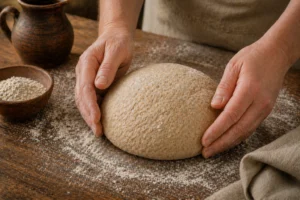
Shape the dough into a round loaf or flat shape, similar to traditional medieval peasant bread recipe styles used historically.
Step 5: Bake the Bread
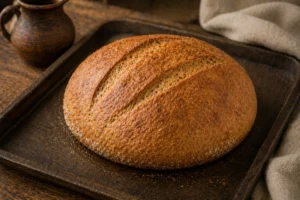
Bake in a preheated oven at 200°C for 30–35 minutes until golden brown and firm on the outside with a hearty interior.
Pro Tips for Best Result
- Use a mix of flours like rye or barley for authenticity
- Let the dough rest longer for better flavor
- Bake on a preheated tray for a crisp crust
- Avoid over-kneading to keep the texture rustic
Recipe Card
Medieval Bread Recipe (Authentic & Easy Guide)
Ingredients
Equipment
Method
- Combine flour, salt, and water in a bowl, stirring until a rough dough forms. Add starter if using for a medieval sourdough bread recipe variation.
- Knead the dough for about ten minutes until smooth and elastic, ensuring proper gluten development for better structure and texture.
- Cover the dough with a cloth and let it rest for one to two hours, allowing natural fermentation to improve flavor and texture.
- Shape the dough into a round loaf or flat shape, similar to traditional medieval peasant bread recipe styles used historically.
- Bake in a preheated oven at 200°C for 30–35 minutes until golden brown and firm on the outside with a hearty interior.
Notes
Nutritional Information
| Nutrient | Amount |
|---|---|
| Calories | 180 kcal |
| Carbohydrates | 35 g |
| Protein | 6 g |
| Fat | 1.5 g |
| Fiber | 5 g |
Learn more about the history, ingredients, and varieties of bread on Wikipedia.
Serving Suggestions
Serve this bread warm with butter, honey, or soft cheese to enhance its natural earthy flavor and rustic texture.
It also pairs well with soups or stews, making it a perfect side dish just like traditional medieval brown bread recipe meals.
Storage Tips
Store the bread in a cool, dry place wrapped in cloth to maintain its texture and prevent it from becoming too dry.
For longer storage, keep it in an airtight container and reheat before serving to restore freshness and softness.
Easy Variations You Can Try
Try a medieval rye bread recipe for a deeper flavor or experiment with a medieval einkorn bread recipe for a more ancient grain experience.
You can also create a medieval bread recipe no yeast version by relying entirely on natural fermentation methods for a more authentic taste.
Common Mistakes to Avoid
Avoid adding too much water, as it can make the dough sticky and difficult to handle, affecting the final texture.
Do not skip resting time, since proper fermentation is essential for flavor development in any authentic medieval bread recipe.
Health Benefits of Medieval Bread
This style of bread is typically more nutritious because it uses whole grains, which retain fiber, vitamins, and minerals that are often lost in refined flour products.
Its slower fermentation process can also make it easier to digest, making it a healthier alternative compared to many modern, heavily processed bread options available today.
Conclusion
Making traditional bread at home is a rewarding experience that connects you with historical cooking methods and simple ingredients.
With practice, you can explore different grains and styles, from medieval barley bread recipe to wheat-based loaves, improving your baking skills.
If you enjoyed this recipe, don’t forget to rate it, share it with friends, and leave a comment with your experience!
Frequently Asked Questions (FAQs)
Can I make this bread without yeast?
Yes, you can prepare a medieval bread recipe without yeast by using natural fermentation or simply making a dense flatbread version.
Which flour is best for medieval bread?
Whole wheat, rye, and barley are commonly used, making them ideal choices for an authentic medieval style bread recipe.
Why is medieval bread dense?
The density comes from whole grains and minimal rising agents, especially in medieval black bread recipe or barley-based variations.
Can I add flavors like garlic?
Yes, you can try a medieval times garlic bread recipe variation by adding herbs or garlic for enhanced taste.
How long does it stay fresh?
It stays fresh for two days at room temperature, but proper storage can extend its life slightly without losing too much texture.
For a complete meal idea, try this bread alongside our Cracker Barrel Corn Casserole Recipe, a classic comfort dish that complements homemade loaves perfectly.

3 thoughts on “Medieval Bread Recipe (Authentic & Easy Guide)”