
Ice is the most-served “food” in almost every restaurant, bar and café, yet the ice machine is often the most neglected piece of equipment in the kitchen. Because ice looks clean, it is easy to forget that the machine making it is a warm, wet box where slime, scale and mold love to grow. Health inspectors know this, and so do service technicians who open these machines every week.
Here is a practical routine that keeps ice clear, tasting neutral and safe, and keeps the machine from failing on the busiest night of the year.
Why ice machines get dirty
Every ice maker has the same three enemies:
- Scale: minerals in the water build up on the evaporator plate and water distribution tube. Scale slows freezing and eventually stops the harvest cycle.
- Slime and biofilm: airborne yeast and bacteria from the kitchen settle in the water trough and bin, especially near fryers, dish areas and bread prep.
- Dust and grease on the condenser: the machine cannot reject heat, so it runs longer, makes less ice and wears out the compressor.
Daily habits (2 minutes)
- Use a dedicated ice scoop and store it outside the bin in a clean holder, never buried in the ice.
- Keep the bin door closed between uses.
- Never store bottles, fruit or anything else in the ice bin.
- Look at the ice: cloudy, thin, hollow or odd-tasting ice is an early warning.
Monthly checks (15 minutes)
- Wipe the bin door, door gasket and the area around the bin opening with a food-safe sanitizer.
- Brush or vacuum the air-cooled condenser coil, the grille on the front or top of the unit.
- Check the water filter date. Most filters should be replaced every six months, sooner in hard-water areas.
Full cleaning and sanitizing (every 6 months, more often in humid kitchens)
- Turn the machine off and empty the bin.
- Run the manufacturer’s descaling cycle using the approved nickel-safe ice machine cleaner. Never use bleach or vinegar on the evaporator.
- Remove and soak the removable parts (water trough, distribution tube, curtain) in sanitizer.
- Sanitize the bin walls and the inside of the cabinet.
- Reassemble, run a sanitizing cycle, and throw away the first two batches of ice.
Many manufacturers, including Hoshizaki, Manitowoc and Scotsman, publish a step-by-step cleaning procedure for each model. Follow it exactly, because the wrong chemical can void the warranty.
Signs you need a technician
Call a commercial refrigeration technician if you notice:
- the machine makes ice but the cubes are small or the bin never fills;
- water leaking under the unit;
- ice freezing into one solid block;
- the machine runs constantly or trips the breaker;
- error lights or repeated harvest failures.
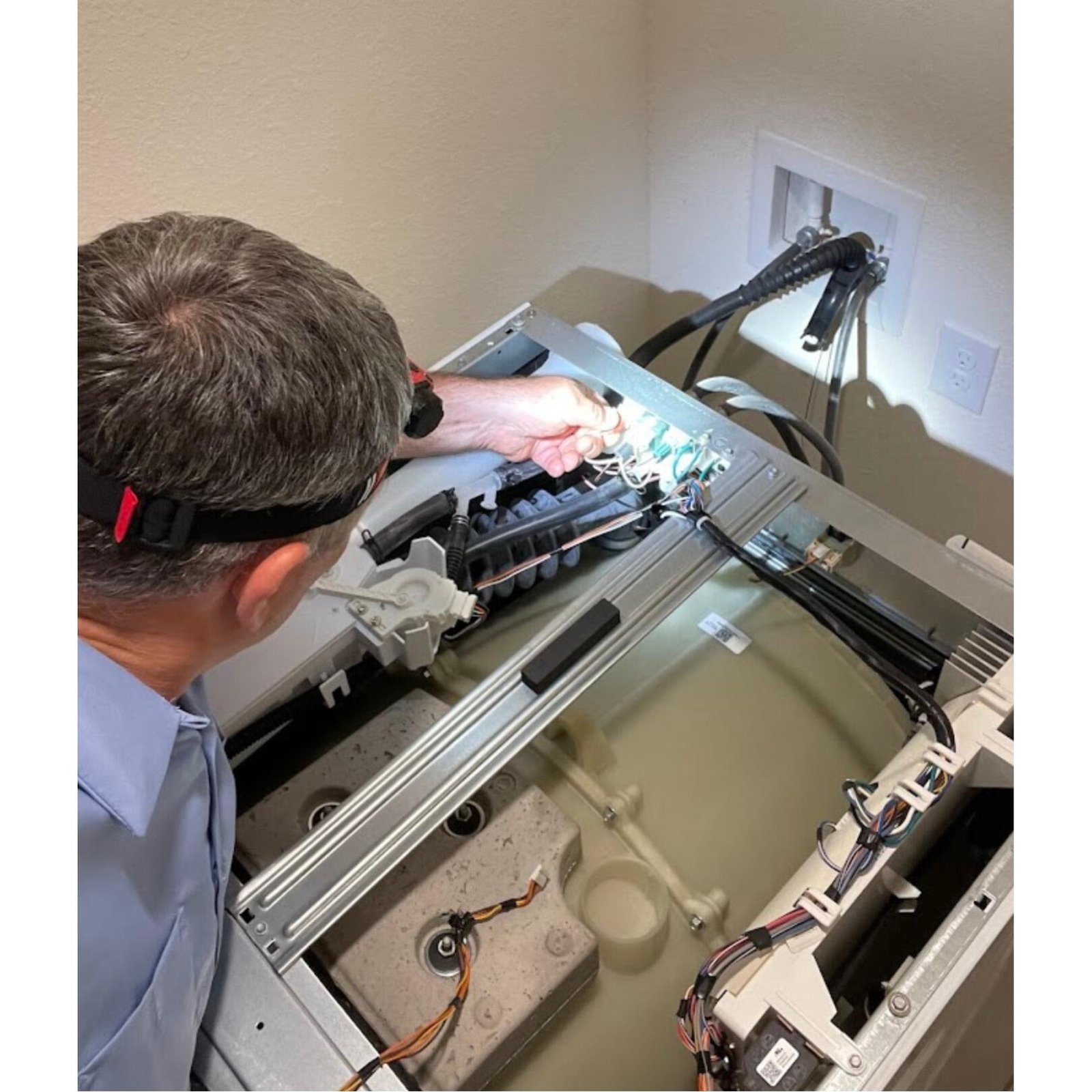
These usually point to a failing water valve, a bad float or sensor, a refrigerant problem or a dirty condenser, all things that get more expensive the longer they run. In Northeast Florida, restaurant owners can find commercial ice machine repair in Jacksonville from a team that also handles walk-ins and reach-ins.
The takeaway
A clean ice machine makes better-tasting ice, passes inspections and lasts years longer. Build the daily and monthly habits into your closing checklist, schedule a professional cleaning twice a year, and your ice will never be the reason a guest sends a drink back.
