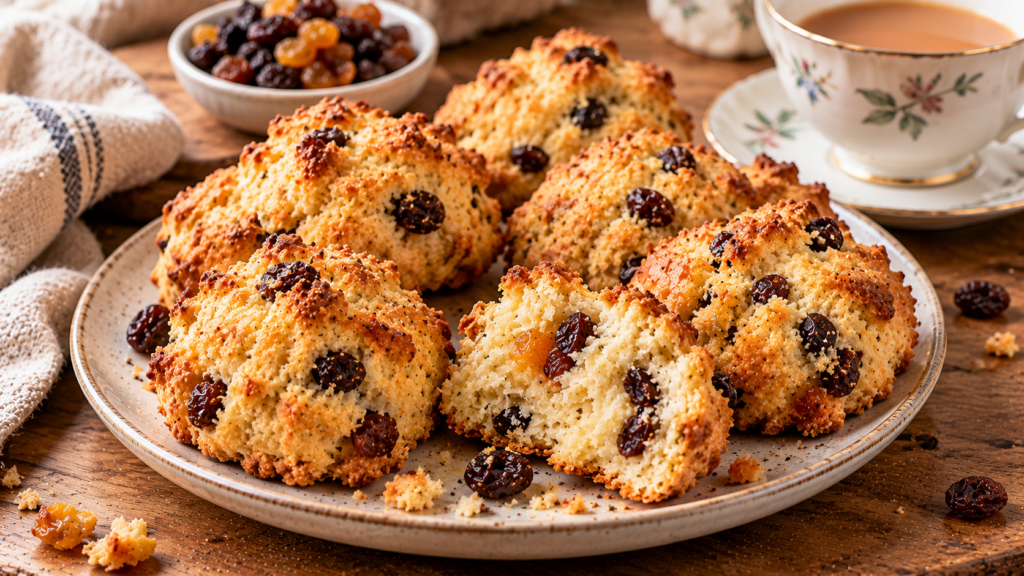
Few homemade bakes are as comforting as freshly baked rock cakes. With their craggy tops, buttery crumb, and little bursts of sweetness from dried fruit, these traditional British treats are wonderfully simple to make. This rock cakes recipe uses basic baking ingredients and comes together quickly, making it ideal when you want something homemade without spending hours in the kitchen.
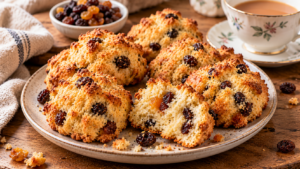
Rock cakes get their name from their rough, rocky appearance. Unlike cupcakes or muffins, they are shaped into rustic mounds rather than carefully smoothed into perfect rounds. Their texture sits somewhere between a scone and a soft biscuit, with lightly crisp edges and a tender centre.
The beauty of this rock cakes recipe is its simplicity. You do not need special equipment, complicated techniques, or expensive ingredients. A mixing bowl, a baking tray, and a little patience are enough to create a batch of golden treats that pair beautifully with tea, coffee, or a glass of milk.
Recipe Overview
- Category: Baking / Snack
- Cuisine: British
- Servings: 10 rock cakes
- Prep Time: 15 minutes
- Cook Time: 15–20 minutes
- Total Time: 30–35 minutes
- Calories: Approximately 180–220 per rock cake, depending on size and ingredients
What Is a Rock Cakes Recipe?
A rock cakes recipe is a traditional British baking method for making small, rustic cakes with a rough, craggy surface. The ingredients usually include flour, butter, sugar, baking powder, egg, milk, and dried fruit. Instead of creating a smooth batter, you make a crumbly dough that holds together when gently pressed.
Rock cakes became popular as an economical homemade bake because they use everyday pantry ingredients and require relatively little preparation. Their appearance may look rugged, but a properly made rock cake should have a tender interior and a lightly golden exterior.
Unlike scones, rock cakes are generally smaller and more irregular in shape. They are also different from cookies because their texture is more cake-like and crumbly. This rock cakes recipe keeps the traditional style while allowing you to adjust the spices and dried fruit to suit your taste.
Why You’ll Love This Recipe
- Quick and easy: The dough takes only a few minutes to prepare.
- Everyday ingredients: Flour, butter, sugar, and dried fruit form the base.
- No special equipment: You can make the dough by hand with a simple mixing bowl.
- Traditional flavor: Mixed dried fruit and a touch of spice create a comforting taste.
- Perfect for tea time: Serve these rustic bakes as an afternoon snack or simple dessert.
This rock cakes recipe is especially useful when you want a small homemade treat without the extra steps involved in making a layered cake. Each cake has its own unique shape, so there is no need to worry about making them look perfectly uniform.
Ingredients
Gather the ingredients below before you begin so the dough comes together quickly and stays cool enough to shape.
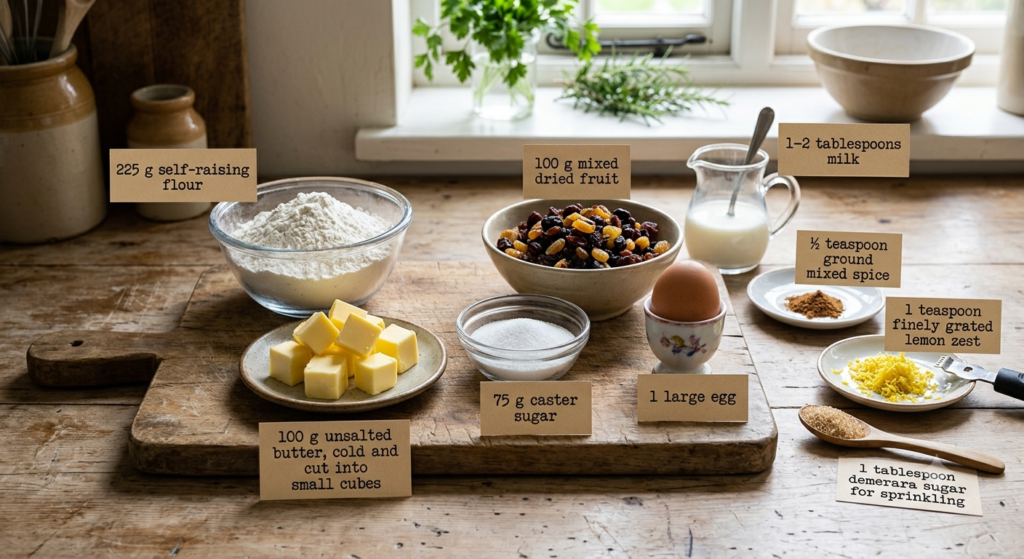
- 225 g self-raising flour
- 100 g unsalted butter, cold and cut into small cubes
- 75 g caster sugar
- 100 g mixed dried fruit or raisins
- 1 large egg
- 1–2 tablespoons milk, as needed
- ½ teaspoon ground mixed spice or cinnamon, optional
- 1 teaspoon finely grated lemon zest, optional
- 1 tablespoon demerara sugar, optional, for sprinkling
Ingredient tip: Self-raising flour helps the cakes rise and develop a light texture. If you only have plain flour, you can use 225 g plain flour with approximately 2 teaspoons of baking powder. Check that your baking powder is fresh for the best results.
Equipment Needed
- Large mixing bowl
- Measuring scale or measuring cups
- Measuring spoons
- Pastry cutter or fingertips for rubbing in butter
- Small bowl for beating the egg
- Fork or wooden spoon
- Baking tray
- Baking paper
- Wire cooling rack
Recipe Video Guide
How to Make Rock Cakes Recipe
Follow these six simple steps to prepare rustic rock cakes with a crumbly texture, golden edges, and sweet dried fruit throughout.
Step 1: Prepare the Oven and Baking Tray
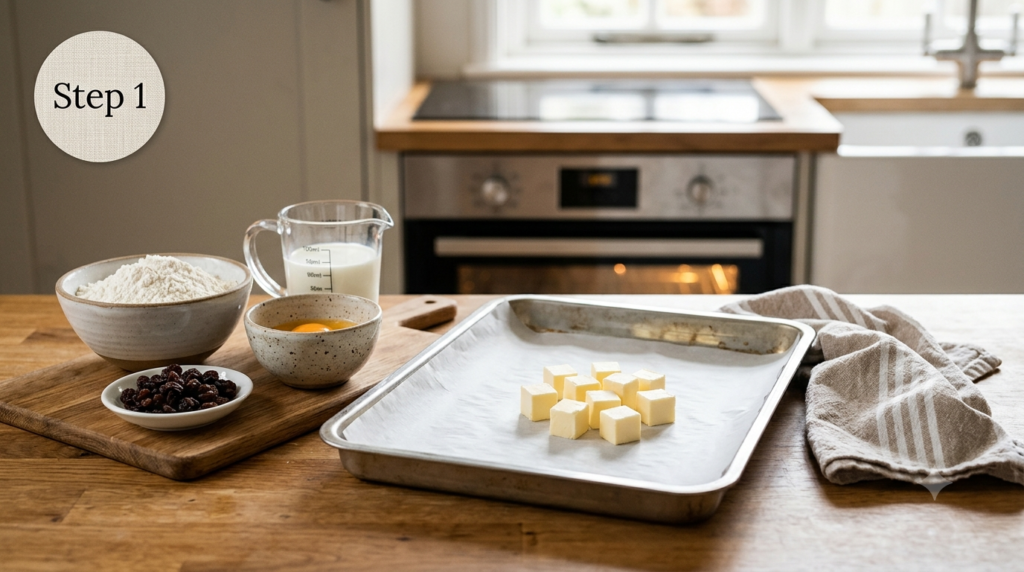
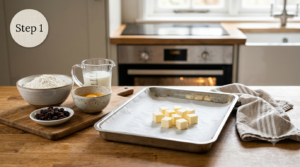
Preheat your oven to 200°C (180°C fan) or 400°F. Line a baking tray with baking paper to prevent sticking and make cleanup easier. Measure out the ingredients, cut the cold butter into small cubes, and lightly beat the egg in a separate bowl. Preparing everything beforehand helps the dough come together without overmixing.
Step 2: Mix the Dry Ingredients
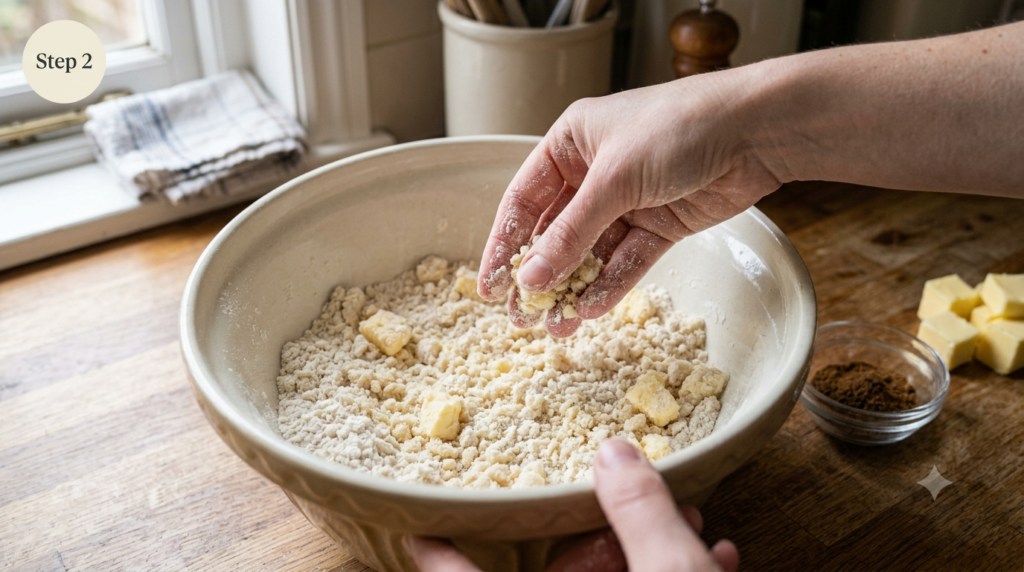
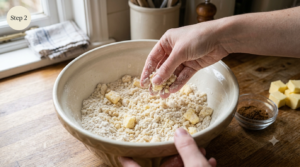
Place the self-raising flour in a large mixing bowl and stir in the caster sugar and optional mixed spice. Add the cold butter cubes and rub them into the flour using your fingertips until the mixture resembles coarse breadcrumbs. Work quickly so the butter stays cool. A few small buttery pieces are fine and can help give the finished rock cakes a tender, crumbly texture.
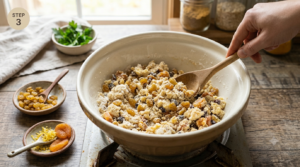
Step 3: Add the Dried Fruit
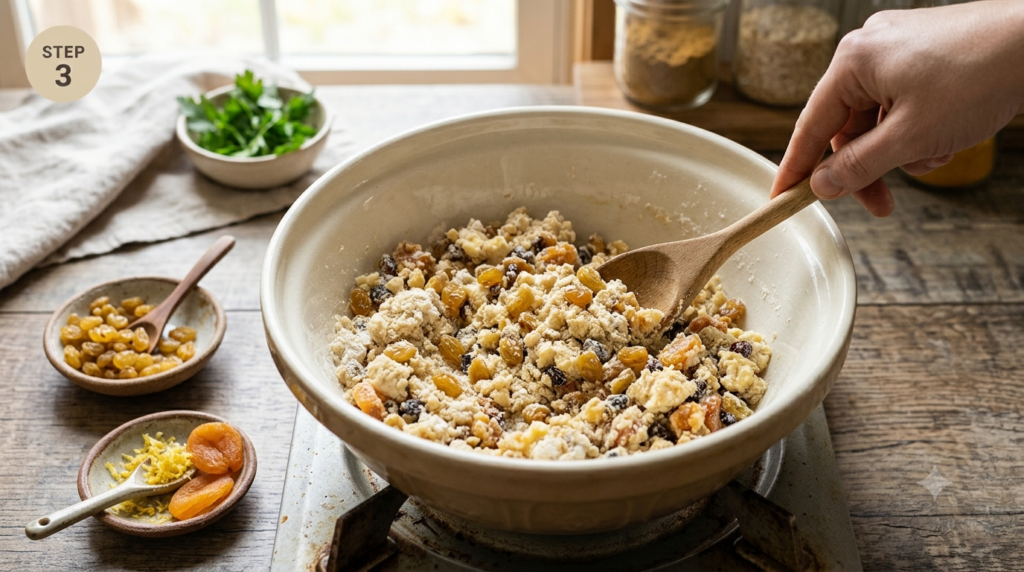
Stir the mixed dried fruit or raisins into the flour mixture until evenly distributed. If you enjoy a brighter flavor, add the optional lemon zest at this stage. Check that the fruit is separated rather than clumped together. Even distribution ensures that each rock cake contains a good balance of sweet fruit and buttery dough.
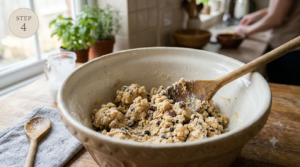
Step 4: Bring the Dough Together
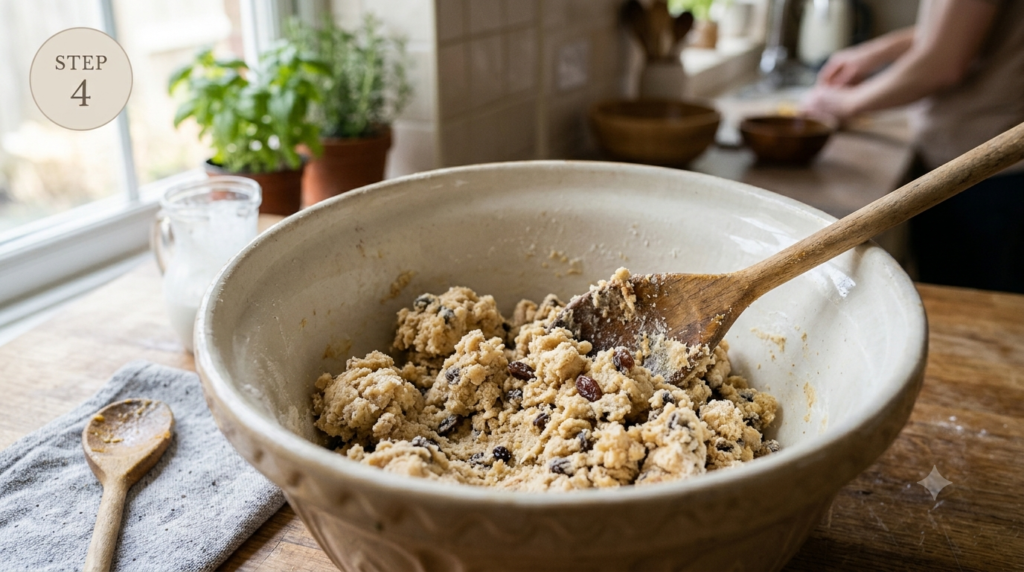
Add the beaten egg and mix gently with a fork or wooden spoon. Add milk one tablespoon at a time until the mixture forms a rough, slightly crumbly dough that holds together when pressed. Avoid adding too much liquid because rock cakes should not have the smooth consistency of cupcake batter. The dough should look uneven and rustic rather than soft and sticky.
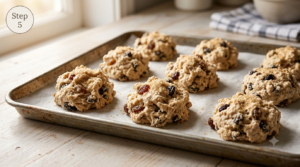
Step 5: Shape and Bake the Rock Cakes
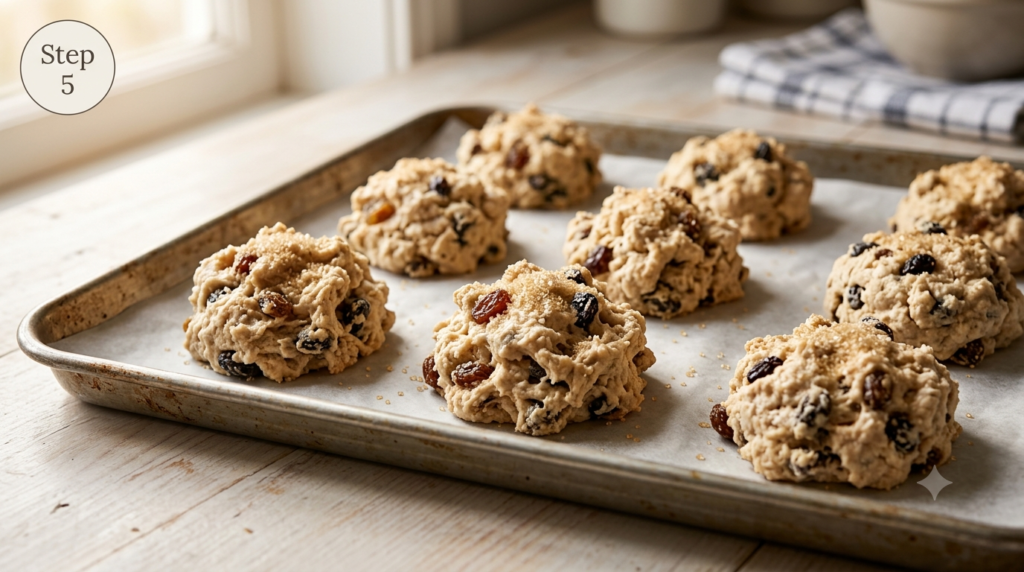
Divide the dough into approximately 10 portions and place them on the prepared tray, leaving space between each mound. Use a spoon or your fingers to form rough, craggy shapes without smoothing the tops. Sprinkle with a little demerara sugar if desired. Bake for 15–20 minutes, until the cakes are lightly golden and cooked through. Smaller cakes may need less time, so check them near the end of baking.
Step 6: Cool and Serve
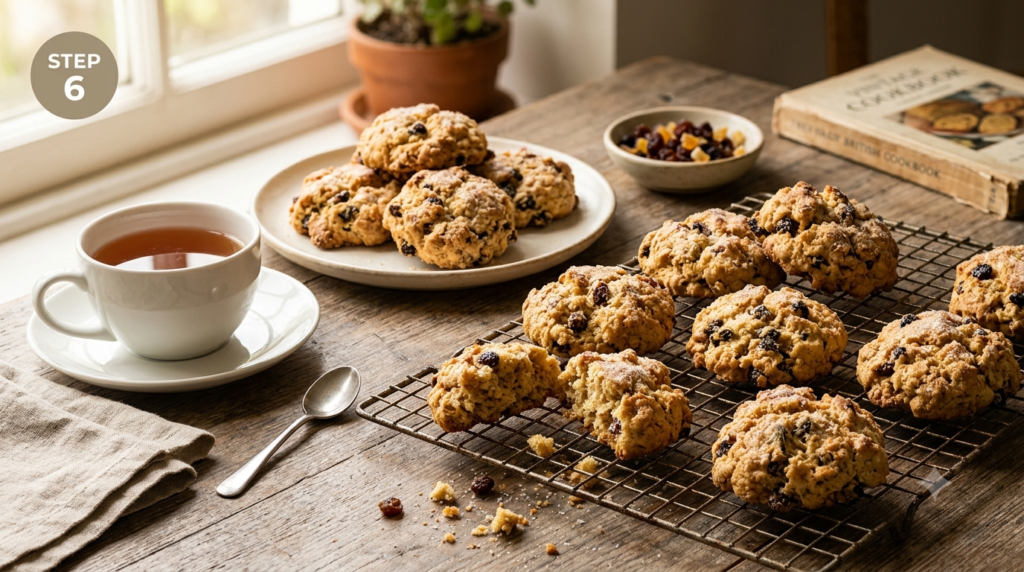
Remove the tray from the oven and let the rock cakes rest for about five minutes before transferring them to a wire rack. Allow them to cool until warm or at room temperature. Their exterior will become slightly firmer as they cool, while the inside should remain tender and crumbly. Serve your freshly baked rock cakes with tea, coffee, or a glass of milk.
Expert Tips for the Best Rock Cakes Recipe
Use cold butter. Cold butter helps create the crumbly texture associated with traditional rock cakes. If the butter becomes too soft, the dough may turn greasy and the cakes can spread more than expected.
Do not overwork the dough. Mix only until the ingredients come together. Excessive mixing can develop the flour’s gluten and make the finished cakes tougher.
Add milk gradually. Different flour brands absorb different amounts of liquid. Start with one tablespoon and add more only if the dough will not hold together when pressed.
Keep the shape rough. The uneven surface is part of the charm of a rock cakes recipe. Avoid rolling the dough into perfectly smooth balls.
Watch the baking time. Rock cakes should be golden on the outside and cooked through in the centre. Leaving them in the oven too long can make them dry and hard.
Let them cool properly. The cakes are fragile straight from the oven. A short rest on the tray helps them firm up before you move them to a rack.
Variations to Try
- Cinnamon rock cakes: Replace the mixed spice with ground cinnamon for a warm, familiar flavor.
- Lemon rock cakes: Add lemon zest and a small amount of vanilla extract for a fresh aroma.
- Chocolate chip rock cakes: Replace some or all of the dried fruit with chocolate chips.
- Coconut rock cakes: Add a small amount of desiccated coconut for extra texture and flavor.
- Nutty rock cakes: Finely chop suitable nuts and mix them into the dough, taking care to consider allergies.
- Spiced fruit rock cakes: Add a pinch of nutmeg alongside the mixed spice for a deeper, warming flavor.
These variations allow you to personalize the traditional bake while keeping its characteristic crumbly texture and rustic appearance.
What to Serve With Rock Cakes
Rock cakes are delicious on their own, but they also pair well with a range of simple drinks and accompaniments. A freshly brewed cup of black tea is a classic choice, while coffee or hot chocolate works well if you prefer something richer. For children, a glass of milk can make a satisfying snack.
You can serve the cakes slightly warm with a little butter, although they are already rich enough to enjoy plain. A small spoonful of jam or a side of fresh fruit can turn them into a simple dessert. If you are hosting afternoon tea, arrange the rock cakes on a plate alongside scones, biscuits, and a pot of tea for a traditional spread.
Storage and Reheating Instructions
Room-temperature storage: Allow the cakes to cool completely, then place them in an airtight container. Store in a cool, dry place and enjoy within three to four days for the best texture.
Refrigeration: Refrigeration is generally unnecessary for plain rock cakes and may make them dry more quickly. If your kitchen is very warm or the recipe includes perishable additions, store them appropriately.
Freezing: Freeze completely cooled rock cakes in a freezer-safe container or bag, separating layers with baking paper. For best quality, use within two to three months.
Reheating: Warm a rock cake in an oven at 160°C (320°F) for a few minutes if you prefer it slightly warm. Allow it to cool before eating, especially if serving to children.
Common Mistakes to Avoid
- Using warm butter: Soft butter can make the dough greasy and affect the texture.
- Adding too much milk: Excess liquid creates a wet dough that spreads during baking.
- Overmixing: Working the dough too much can make the cakes dense.
- Making perfectly smooth shapes: Rock cakes should have rough, uneven tops.
- Overbaking: Excessive baking dries out the centres and makes the cakes hard.
- Crowding the baking tray: Leave enough room for the cakes to expand slightly as they bake.
Nutrition Information
The following values are estimates for one rock cake, assuming the recipe makes 10 cakes. Actual nutrition will vary depending on the dried fruit, butter, sugar, and final portion size.
| Nutrient | Approximate Amount per Cake |
|---|---|
| Calories | 180–220 kcal |
| Protein | 3–4 g |
| Carbohydrates | 27–32 g |
| Fat | 7–9 g |
| Saturated Fat | 4–5 g |
| Fibre | 1–2 g |
| Sugar | 10–14 g |
Rock cakes are a sweet baked treat, so enjoy them as part of a varied diet. You can adjust the portion size or reduce the sugar slightly, although changing the ingredient balance may affect the texture and flavor.
Frequently Asked Questions
Why are they called rock cakes?
They are called rock cakes because their rough, uneven tops resemble small rocks. The rustic appearance is intentional and is one of the defining features of this traditional British bake.
What is the difference between rock cakes and scones?
Rock cakes usually have a rougher shape and a more crumbly texture, while scones are often shaped more evenly and may have a softer, taller crumb. Both use flour, fat, and a raising agent, but the proportions and mixing methods can differ.
Can I make rock cakes without dried fruit?
Yes. You can leave out the dried fruit or replace it with chocolate chips, desiccated coconut, or another suitable addition. If you omit the fruit, the flavor will be less sweet and fruity, so you may wish to adjust the seasoning or add a little vanilla.
Why are my rock cakes hard?
Rock cakes can become hard if too much flour is added, the dough is overmixed, or the cakes are baked for too long. Measure the ingredients accurately, add milk gradually, and remove the cakes when they are golden and cooked through.
Can I make rock cakes with plain flour?
Yes. Replace the self-raising flour with the same amount of plain flour and add approximately 2 teaspoons of baking powder. Mix the raising agent evenly into the flour before adding the butter.
Can I prepare the dough ahead of time?
For the best texture, shape and bake the rock cakes shortly after preparing the dough. You can measure the dry ingredients and prepare the dried fruit in advance. If you need to refrigerate prepared dough, cover it and chill it briefly, then shape and bake while it remains cool.
Final Thoughts
This rock cakes recipe proves that simple ingredients can create a wonderfully comforting homemade bake. With cold butter, a little dried fruit, and a lightly mixed dough, you can make rustic cakes that have golden edges, a crumbly texture, and plenty of traditional flavor.
The key is to keep the dough slightly rough, avoid adding too much liquid, and bake just until the cakes are golden. Serve them with your favorite hot drink, share them at afternoon tea, or keep a batch ready for a quick homemade snack.
Once you master the basic method, experiment with cinnamon, lemon zest, coconut, or chocolate chips to create your own favorite version.
You may also like Baby Curry Recipe.
Recipe Card
Rock Cakes Recipe
Ingredients
Equipment
Method
- Preheat your oven to 200°C (180°C fan) or 400°F. Line a baking tray with baking paper to prevent sticking and make cleanup easier. Measure out the ingredients, cut the cold butter into small cubes, and lightly beat the egg in a separate bowl. Preparing everything beforehand helps the dough come together without overmixing.
- Place the self-raising flour in a large mixing bowl and stir in the caster sugar and optional mixed spice. Add the cold butter cubes and rub them into the flour using your fingertips until the mixture resembles coarse breadcrumbs. Work quickly so the butter stays cool. A few small buttery pieces are fine and can help give the finished rock cakes a tender, crumbly texture.
- Stir the mixed dried fruit or raisins into the flour mixture until evenly distributed. If you enjoy a brighter flavor, add the optional lemon zest at this stage. Check that the fruit is separated rather than clumped together. Even distribution ensures that each rock cake contains a good balance of sweet fruit and buttery dough.
- Add the beaten egg and mix gently with a fork or wooden spoon. Add milk one tablespoon at a time until the mixture forms a rough, slightly crumbly dough that holds together when pressed. Avoid adding too much liquid because rock cakes should not have the smooth consistency of cupcake batter. The dough should look uneven and rustic rather than soft and sticky.
- Divide the dough into approximately 10 portions and place them on the prepared tray, leaving space between each mound. Use a spoon or your fingers to form rough, craggy shapes without smoothing the tops. Sprinkle with a little demerara sugar if desired. Bake for 15–20 minutes, until the cakes are lightly golden and cooked through. Smaller cakes may need less time, so check them near the end of baking.
- Remove the tray from the oven and let the rock cakes rest for about five minutes before transferring them to a wire rack. Allow them to cool until warm or at room temperature. Their exterior will become slightly firmer as they cool, while the inside should remain tender and crumbly. Serve your freshly baked rock cakes with tea, coffee, or a glass of milk.