

A homemade Rabbit Stew Recipe is the perfect comfort meal for anyone who enjoys rich, slow-cooked dishes packed with wholesome ingredients. Tender rabbit meat is simmered with vegetables, aromatic herbs, garlic, and a savory broth until it becomes incredibly juicy and full of flavor. The result is a satisfying stew that’s ideal for chilly evenings, family dinners, or special occasions.
Rabbit has a mild, delicate taste that’s often compared to chicken but with a richer, slightly earthy flavor. Because it’s naturally lean, slow cooking is the best way to create tender meat that falls off the bone while allowing the vegetables and herbs to develop a deep, comforting taste.
Whether you’re trying rabbit for the first time or preparing a family favorite, this easy rabbit stew recipe delivers restaurant-quality results with simple ingredients and straightforward cooking techniques.
Recipe Overview
- Category: Main Course
- Cuisine: European
- Servings: 6
- Prep Time: 20 minutes
- Cook Time: 2 hours
What Is Rabbit Stew?
Rabbit stew is a traditional slow-cooked dish enjoyed across many parts of Europe and other regions where rabbit has long been a popular source of lean protein. The rabbit is first browned to develop flavor, then gently simmered with onions, carrots, celery, potatoes, herbs, and broth until the meat becomes exceptionally tender.
Unlike quick-cooked rabbit recipes, a stew allows the meat to absorb the flavors of the vegetables, herbs, and seasonings while remaining moist and succulent. The slow cooking process also creates a rich broth that makes every spoonful warm and comforting.
Why You’ll Love This Rabbit Stew Recipe
This rabbit stew recipe combines simple pantry ingredients with slow cooking to create an incredibly flavorful meal. The rich broth, tender vegetables, and perfectly cooked rabbit make it a satisfying dish that’s both rustic and elegant.
Here are a few reasons you’ll love this recipe:
- Tender, fall-off-the-bone rabbit
- Rich and flavorful homemade broth
- Easy one-pot meal
- Perfect for cold weather
- Packed with vegetables
- Naturally high in protein
- Great for meal prep
- Beginner-friendly recipe
Ingredients
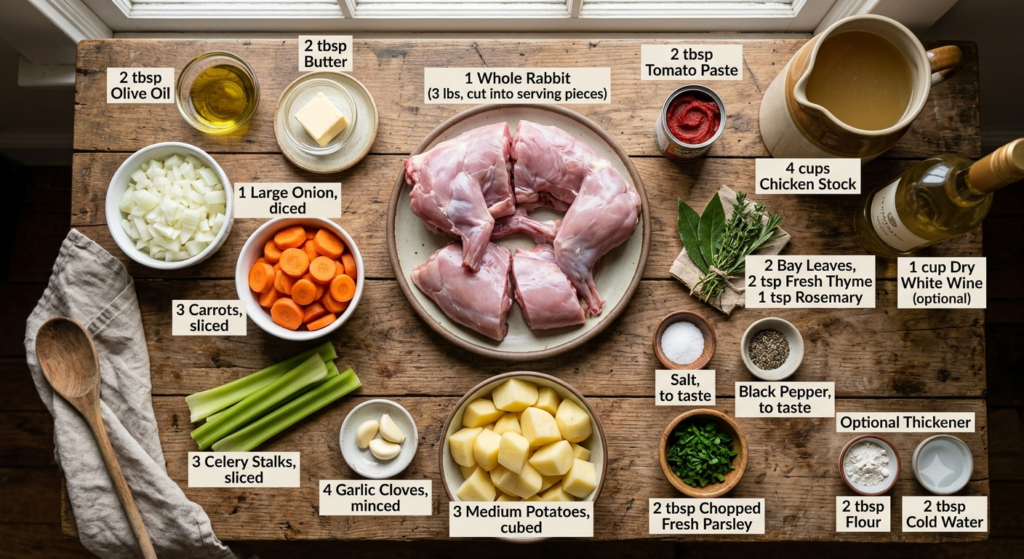
For the Stew
- 1 whole rabbit (about 3 pounds), cut into serving pieces
- 2 tablespoons olive oil
- 2 tablespoons butter
- 1 large onion, diced
- 3 carrots, sliced
- 3 celery stalks, sliced
- 4 garlic cloves, minced
- 3 medium potatoes, cubed
- 2 tablespoons tomato paste
- 4 cups chicken stock
- 1 cup dry white wine (optional)
- 2 bay leaves
- 2 teaspoons fresh thyme
- 1 teaspoon rosemary
- Salt, to taste
- Black pepper, to taste
- 2 tablespoons chopped fresh parsley
Optional Thickener
- 2 tablespoons flour
- 2 tablespoons cold water
Kitchen Equipment
You’ll need:
- Dutch oven or heavy soup pot
- Sharp chef’s knife
- Cutting board
- Wooden spoon
- Measuring cups and spoons
- Small mixing bowl
- Ladle
How to Make Rabbit Stew
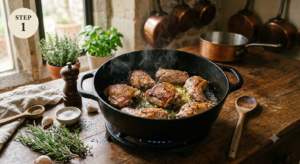
Step 1: Season and Brown the Rabbit
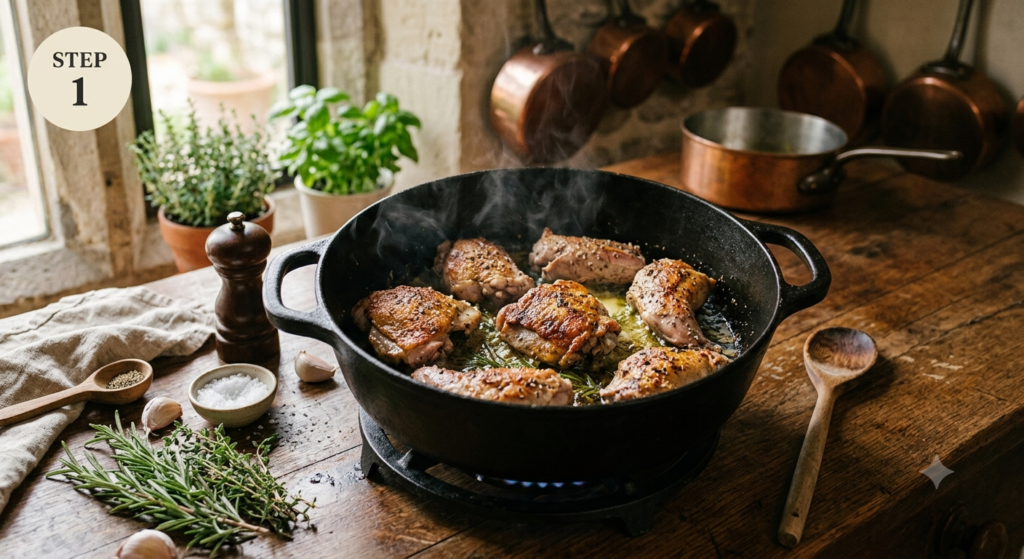
Pat the rabbit pieces dry with paper towels and season generously with salt and black pepper.
Heat the olive oil and butter in a large Dutch oven over medium-high heat. Brown the rabbit pieces on all sides until they develop a beautiful golden crust, about 3–4 minutes per side. Work in batches if necessary to avoid overcrowding the pot.
Transfer the browned rabbit to a plate and set aside.
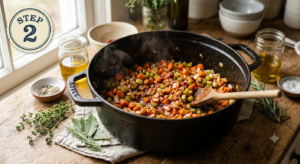
Step 2: Cook the Vegetables
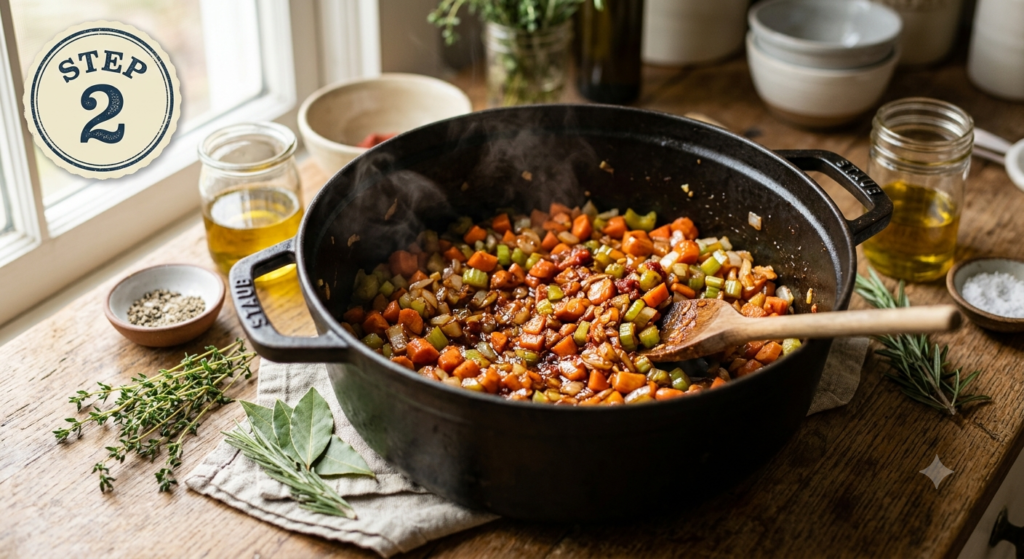
Reduce the heat to medium and add the diced onion, carrots, and celery to the same pot.
Cook for about 6–8 minutes until the vegetables soften and begin to caramelize. Stir in the minced garlic and cook for another minute until fragrant.
Mix in the tomato paste and cook for 2 minutes to deepen its flavor.
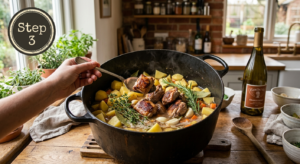
Step 3: Build the Stew
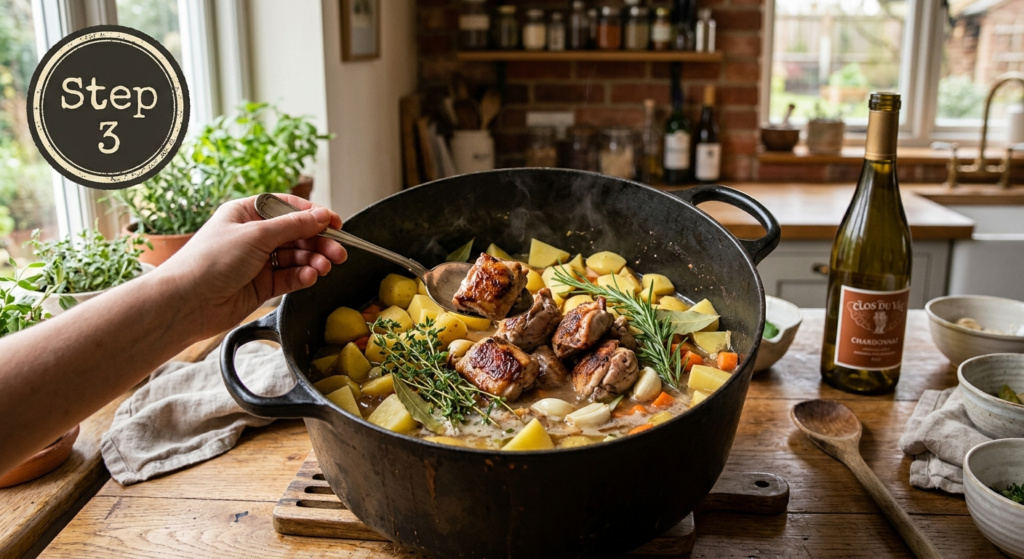
Pour in the white wine, if using, and scrape the browned bits from the bottom of the pot with a wooden spoon.
Add the chicken stock, potatoes, thyme, rosemary, and bay leaves. Return the browned rabbit pieces to the pot, ensuring they’re mostly submerged in the liquid.
Bring everything to a gentle boil.
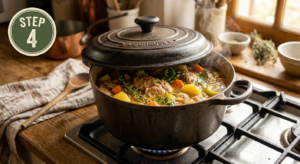
Step 4: Slow Simmer
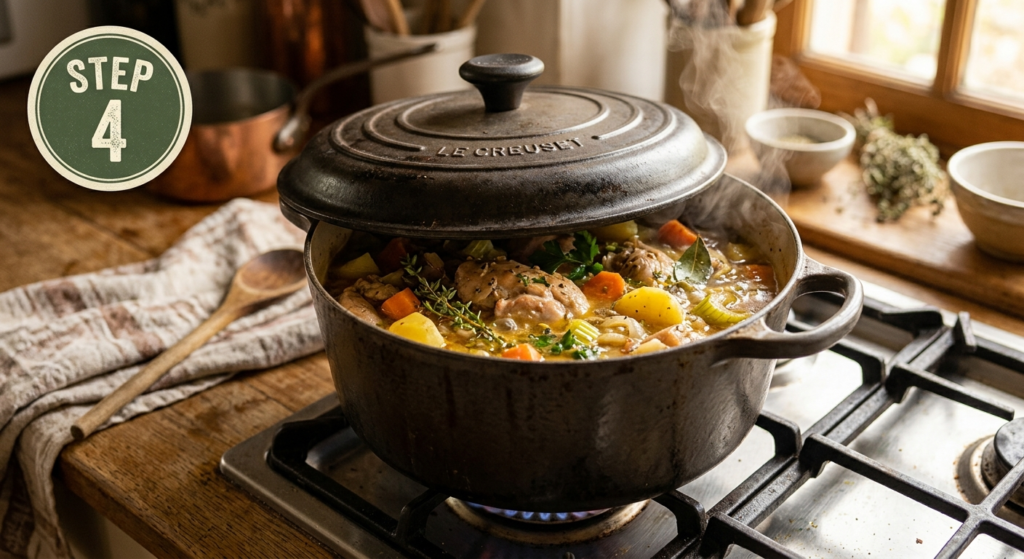
Reduce the heat to low, cover the pot with a lid, and simmer gently for 1½ to 2 hours.
Stir occasionally during cooking. The rabbit should become fork-tender, and the vegetables should be perfectly cooked while the broth develops a deep, savory flavor.
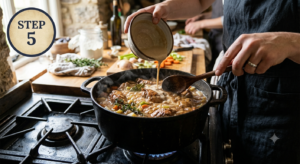
Step 5: Thicken the Stew
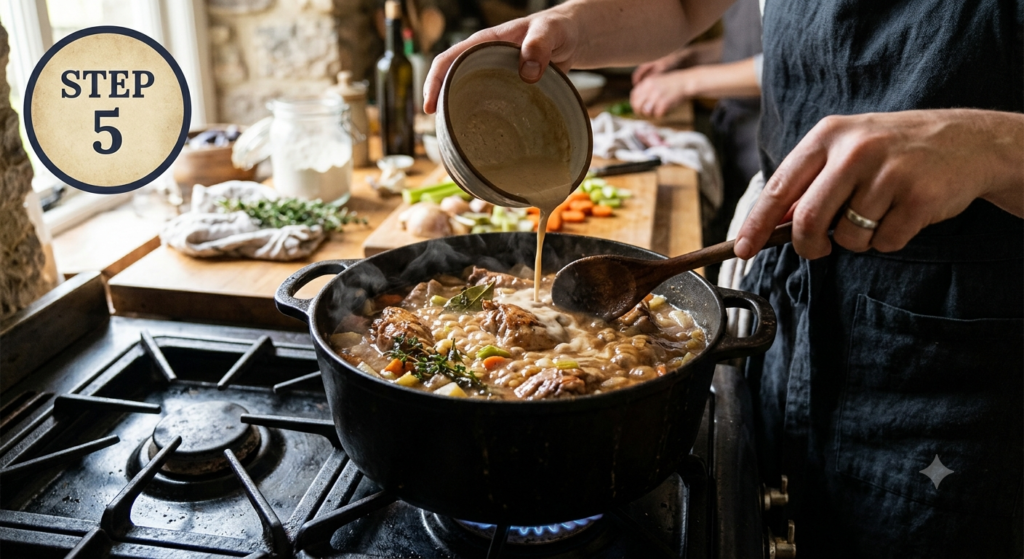
If you prefer a thicker stew, whisk together the flour and cold water to make a smooth slurry.
Slowly stir the slurry into the simmering stew and cook for another 5–10 minutes, stirring occasionally until the broth reaches your desired consistency.
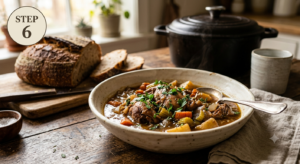
Step 6: Garnish and Serve
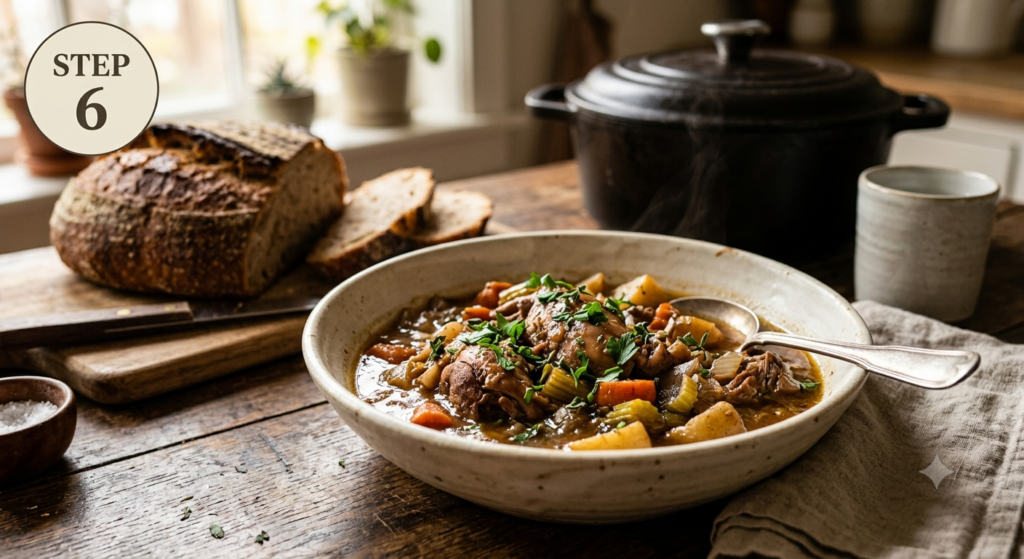
Remove the bay leaves from the stew and taste the broth. Adjust the seasoning with additional salt and black pepper if needed. Sprinkle freshly chopped parsley over the stew for a burst of freshness and color.
Serve the rabbit stew hot in deep bowls with plenty of the rich broth, tender vegetables, and rabbit pieces. Pair it with crusty bread, mashed potatoes, or buttered noodles to soak up every bit of the flavorful sauce.
Recipe Video
Expert Tips for the Best Rabbit Stew Recipe
Making an exceptional rabbit stew is all about patience and proper technique. These tips will help you achieve the most flavorful results every time.
- Brown the rabbit thoroughly before simmering to develop a rich, deep flavor.
- Use homemade chicken stock if possible for a more robust broth.
- Simmer gently instead of boiling to keep the rabbit tender.
- Don’t rush the cooking process—slow cooking is the secret to tender meat.
- Fresh thyme and rosemary provide the best flavor.
- Add mushrooms during the last 30 minutes for extra depth.
- Let the stew rest for 10 minutes before serving to allow the flavors to meld.
- Taste and adjust seasoning before serving.
Delicious Variations
Creamy Rabbit Stew
Stir in ½ cup of heavy cream during the final 10 minutes of cooking for a rich and velvety broth.
Mushroom Rabbit Stew
Add sliced cremini or button mushrooms to create a heartier and more earthy stew.
Rustic Herb Rabbit Stew
Increase the amount of thyme, rosemary, and parsley while adding a few sage leaves for a rustic countryside flavor.
Tomato Rabbit Stew
Add one can of diced tomatoes for a richer, slightly tangy broth.
Root Vegetable Rabbit Stew
Include parsnips, turnips, and sweet potatoes for extra texture and natural sweetness.
What to Serve with Rabbit Stew
Rabbit stew pairs wonderfully with comforting side dishes that complement its rich broth.
- Crusty artisan bread
- Garlic bread
- Creamy mashed potatoes
- Buttered egg noodles
- Steamed white rice
- Polenta
- Roasted vegetables
- Green beans
- Garden salad
- Buttered peas
For drinks, serve with sparkling water, apple cider, or a glass of dry white wine if desired.
Storage & Reheating
Rabbit stew tastes even better the next day as the flavors continue to develop.
Refrigerator
Store cooled stew in an airtight container for up to 4 days.
Freezer
Freeze individual portions for up to 3 months in freezer-safe containers.
Reheating
Reheat gently in a saucepan over medium-low heat until hot, adding a splash of chicken stock if the stew has thickened too much. You can also microwave individual portions, stirring halfway through for even heating.
Common Mistakes to Avoid
Skipping the Browning Step
Browning the rabbit creates a deep, savory flavor that forms the foundation of the stew.
Cooking at a Rapid Boil
A gentle simmer keeps the meat tender, while a hard boil can make it tough.
Overcooking the Vegetables
Adding vegetables at the correct time ensures they stay tender without becoming mushy.
Underseasoning the Broth
Season gradually and taste before serving to achieve a balanced, flavorful broth.
Thickening Too Early
If using a flour slurry, add it near the end of cooking to maintain the proper consistency.
Nutrition Information
| Nutrient | Amount (Per Serving) |
|---|---|
| Calories | 395 kcal |
| Protein | 36 g |
| Carbohydrates | 19 g |
| Fat | 17 g |
| Saturated Fat | 5 g |
| Cholesterol | 120 mg |
| Sodium | 640 mg |
| Fiber | 3 g |
| Sugar | 5 g |
| Calcium | 65 mg |
| Iron | 3 mg |
Nutrition values are approximate and may vary depending on the ingredients used.
Final Thoughts
This Rabbit Stew Recipe is a timeless comfort food that transforms simple ingredients into a rich, satisfying meal. Slow-cooked rabbit, tender vegetables, fragrant herbs, and a flavorful broth come together to create a dish that’s perfect for family dinners or cozy evenings at home.
Whether you’re cooking rabbit for the first time or revisiting a traditional favorite, this recipe is easy to follow and rewards you with tender meat and incredible flavor in every bite.
You may also like Perfect Sticky Date Pudding Recipe.
Frequently Asked Questions
Does rabbit taste like chicken?
Rabbit has a mild flavor that’s often compared to chicken, but it’s slightly richer and earthier with a lean texture.
Why is my rabbit tough?
Rabbit becomes tough if it’s cooked too quickly. Slow simmering for 1½–2 hours helps the meat become tender.
Can I make rabbit stew in a slow cooker?
Yes. After browning the rabbit and vegetables, transfer everything to a slow cooker and cook on Low for 6–8 hours or High for 3–4 hours.
Can I freeze rabbit stew?
Yes. Cool the stew completely before freezing it in airtight containers for up to 3 months.
Can I make this stew without wine?
Absolutely. Replace the wine with additional chicken stock for an equally delicious result.
What herbs pair best with rabbit?
Thyme, rosemary, parsley, sage, and bay leaves all complement rabbit beautifully.
Recipe Card
Rabbit Stew Recipe
Ingredients
Equipment
Method
- Pat the rabbit pieces dry with paper towels and season generously with salt and black pepper.
- Heat the olive oil and butter in a large Dutch oven over medium-high heat. Brown the rabbit pieces on all sides until they develop a beautiful golden crust, about 3–4 minutes per side. Work in batches if necessary to avoid overcrowding the pot.
- Transfer the browned rabbit to a plate and set aside.
- Reduce the heat to medium and add the diced onion, carrots, and celery to the same pot.
- Cook for about 6–8 minutes until the vegetables soften and begin to caramelize. Stir in the minced garlic and cook for another minute until fragrant.
- Mix in the tomato paste and cook for 2 minutes to deepen its flavor.
- Pour in the white wine, if using, and scrape the browned bits from the bottom of the pot with a wooden spoon.
- Add the chicken stock, potatoes, thyme, rosemary, and bay leaves. Return the browned rabbit pieces to the pot, ensuring they’re mostly submerged in the liquid.
- Bring everything to a gentle boil.
- Reduce the heat to low, cover the pot with a lid, and simmer gently for 1½ to 2 hours.
- Stir occasionally during cooking. The rabbit should become fork-tender, and the vegetables should be perfectly cooked while the broth develops a deep, savory flavor.
- If you prefer a thicker stew, whisk together the flour and cold water to make a smooth slurry.
- Slowly stir the slurry into the simmering stew and cook for another 5–10 minutes, stirring occasionally until the broth reaches your desired consistency.
- Remove the bay leaves from the stew and taste the broth. Adjust the seasoning with additional salt and black pepper if needed. Sprinkle freshly chopped parsley over the stew for a burst of freshness and color.
- Serve the rabbit stew hot in deep bowls with plenty of the rich broth, tender vegetables, and rabbit pieces. Pair it with crusty bread, mashed potatoes, or buttered noodles to soak up every bit of the flavorful sauce.
Video
Notes
- Crusty artisan bread
- Garlic bread
- Creamy mashed potatoes
- Buttered egg noodles
- Steamed white rice
- Polenta
- Roasted vegetables
- Green beans
- Garden salad
- Buttered peas

1 thought on “Perfect Rabbit Stew Recipe”