Anyone who tried vegan baking in its early mainstream phase remembers what it tasted like. The cake that was dense where it should have been light. The frosting that was sweet in a way that felt synthetic rather than rich. The texture that communicated health food more than celebration food, regardless of how attractively it was decorated. These weren’t unfair criticisms. They were accurate descriptions of what the ingredient substitutions of that era actually produced, and the reputation they created for vegan baking has proven more durable than the limitations that generated it.
That reputation is now significantly out of date. The vegan cupcake available from a specialist bakery in 2026 is a meaningfully different product from the one that established the category’s quality ceiling a decade ago, and the people still avoiding vegan options based on that earlier experience are making decisions on information that no longer reflects what’s actually on offer.
What Made Early Vegan Baking Fall Short
The first generation of mainstream vegan baked goods had a specific quality problem that wasn’t a failure of effort or intention. It was a failure of ingredient equivalence. The substitutions available at the time for eggs, butter, and dairy, the three ingredients that do the most structural and flavour work in conventional baking, produced results that were technically vegan but texturally and flavour-wise compromised in ways that were immediately apparent.
Eggs in baking aren’t just protein. They provide structure, moisture retention, emulsification, and leavening that interact with other ingredients in ways that a single substitute rarely replicates completely. Flax eggs, chia eggs, and commercial egg replacers each captured some of these functions while leaving others unaddressed, producing cakes that were either too dense, too crumbly, or too gummy depending on which function the substitute handled least well.
Butter substitutions faced a similar problem. Plant-based margarines and coconut oils provided fat content but with different melting points, different water contents, and different flavour profiles from butter, all of which affected the final product in ways that were noticeable even to people who weren’t looking for them. The buttercream made from vegetable shortening that coated the palate rather than melting on it was the element that most visibly communicated vegan to anyone who had eaten conventional buttercream.
Dairy milk replacements were the substitution that caused the least difficulty, which is why early vegan baking sometimes had better texture in recipes where milk was the primary dairy component than in those where butter was central.
What Changed in Vegan Baking and Why It Matters
The quality improvement in vegan baking over the past several years has come from multiple directions simultaneously, and the combination of better ingredients, accumulated technique knowledge, and genuine investment from specialist bakeries has produced a category whose quality ceiling has risen considerably.
Plant-based butter has undergone significant development, with products now available that have fat contents, melting points, and flavour profiles much closer to dairy butter than the previous generation of plant-based alternatives. This matters most in buttercream, where the difference between a vegan frosting made with current plant-based butter and one made with earlier alternatives is immediately apparent in both texture and the absence of the coating sensation that previous versions produced.
Egg replacement has similarly advanced. The commercial egg replacers available to professional bakers now address multiple egg functions simultaneously, producing results in terms of structure, moisture, and leavening that are much closer to conventional baking outcomes than earlier substitutes achieved. Combined with the accumulated knowledge of how to use them across different recipe types, the texture gap that defined the first generation of vegan baking has narrowed significantly.
Specialist vegan bakeries that have invested specifically in developing vegan recipes rather than adapting conventional ones have contributed technique knowledge that generic bakeries applying standard vegan substitutions don’t have. A recipe developed from the outset around the specific properties of plant-based ingredients produces different results from one that replaces conventional ingredients one-for-one and hopes the outcome is similar.
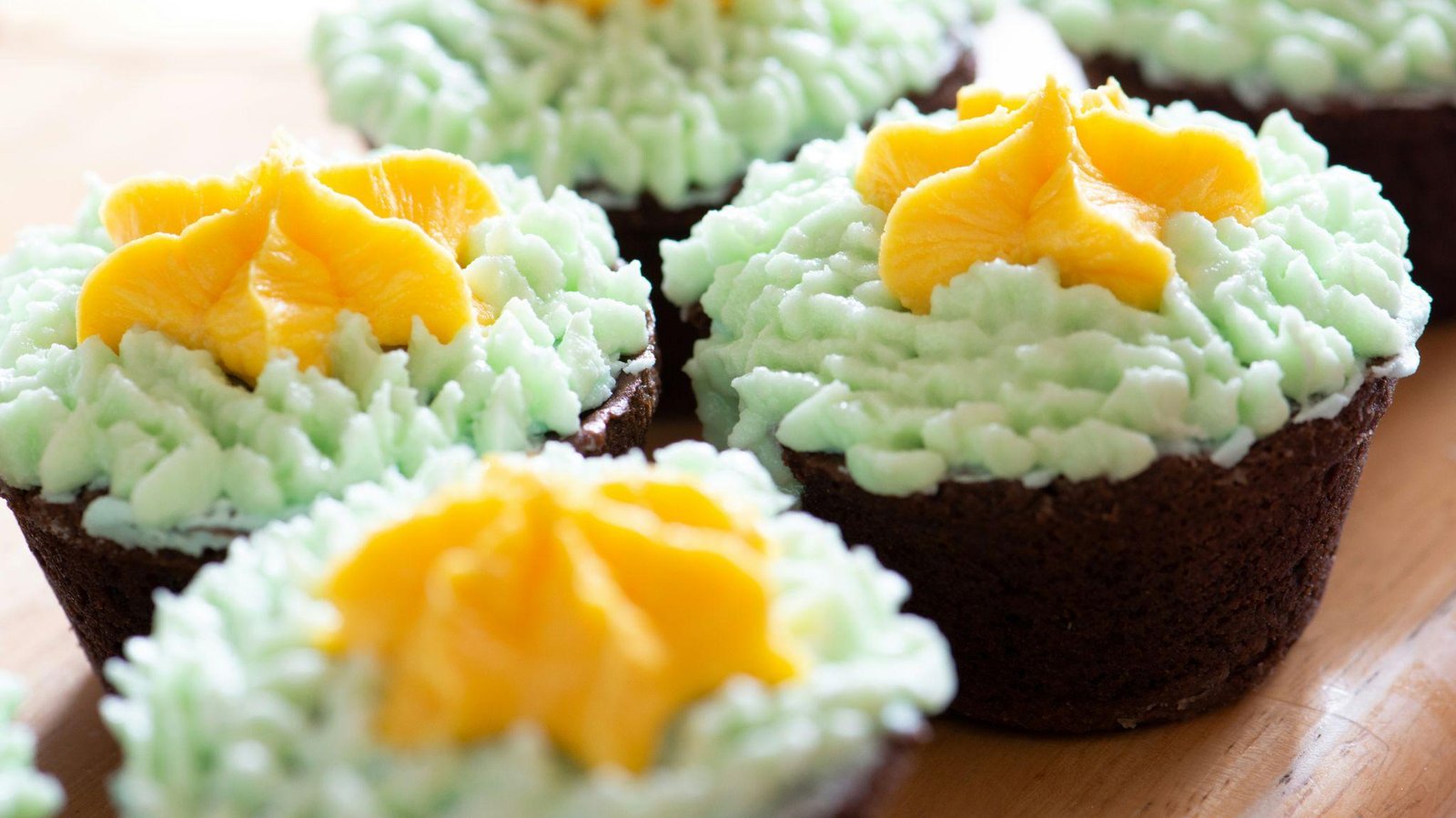
For families in Sydney who want to experience what current vegan baking quality actually looks like, vegan cupcakes delivered in Sydney from The Cupcake Room are dairy-free, egg-free, gluten-free, and nut-free, baked fresh daily from their Leichhardt kitchen, and available in both vanilla and chocolate varieties with same-day delivery across Sydney. The product represents the current standard of specialist vegan baking rather than the earlier generation of quality-compromised alternatives that shaped most people’s expectations of the category.
Why Vegan Cupcakes Work for the Whole Table
The quality improvement in vegan cupcakes has a practical implication for celebration planning that extends beyond the vegan community: a vegan cupcake that genuinely tastes as good as its conventional equivalent solves the inclusion problem at celebrations without creating the quality compromise problem.
Most family celebrations and social gatherings now include guests with varying dietary requirements. Vegan, gluten intolerant, dairy-free, and egg-free requirements appear with enough frequency in most social circles that the question of what everyone at the table can eat has become a genuine planning consideration rather than an edge case. The conventional approach of providing a separate alternative for guests with dietary requirements creates a dynamic where some people are eating the celebration food and others are eating the accommodation food, which is a form of inclusion that doesn’t quite achieve what it’s aiming for.
A vegan cupcake that is also gluten-free and dairy-free, and that tastes genuinely good, is celebration food that everyone at the table can eat without anyone feeling that they received a lesser version of the experience. The child with an egg allergy, the adult who is dairy-free, and the guest who is vegan all receive the same thing as everyone else, which is a meaningfully different experience of being included than receiving a separately sourced alternative.
The nut-free kitchen that some specialist vegan bakeries maintain adds a further layer of inclusion that matters considerably for families with nut allergy concerns. A celebration where the food came from a nut-free kitchen removes an anxiety that parents of children with nut allergies carry to every food-involved event, and that removal is part of what the right bakery choice is providing alongside the quality of the product itself.
Why This Evolution Matters Beyond the Vegan Community
The vegan cupcake’s quality improvement is a food story, but it’s also a celebration planning story and a family logistics story. The families who have updated their understanding of what vegan baking currently delivers are those who have discovered that the dietary requirements of some guests no longer mean a quality trade-off for any of them.
The celebration that used to require two separate food orders, one conventional and one dietary-friendly, can now be handled with a single order if the vegan option is good enough to serve as the celebration food for everyone rather than as the accommodation for some. That simplification is practical, but it’s also something more than practical. It changes the texture of the celebration in a small but real way by making the food something everyone shares rather than something that divides the table into those who got the real version and those who got the alternative.
The reputation that vegan baking earned in its early years was fair at the time and is now a decade out of date. The families still making celebration food decisions based on that earlier experience are the ones most worth introducing to what the category currently delivers.