
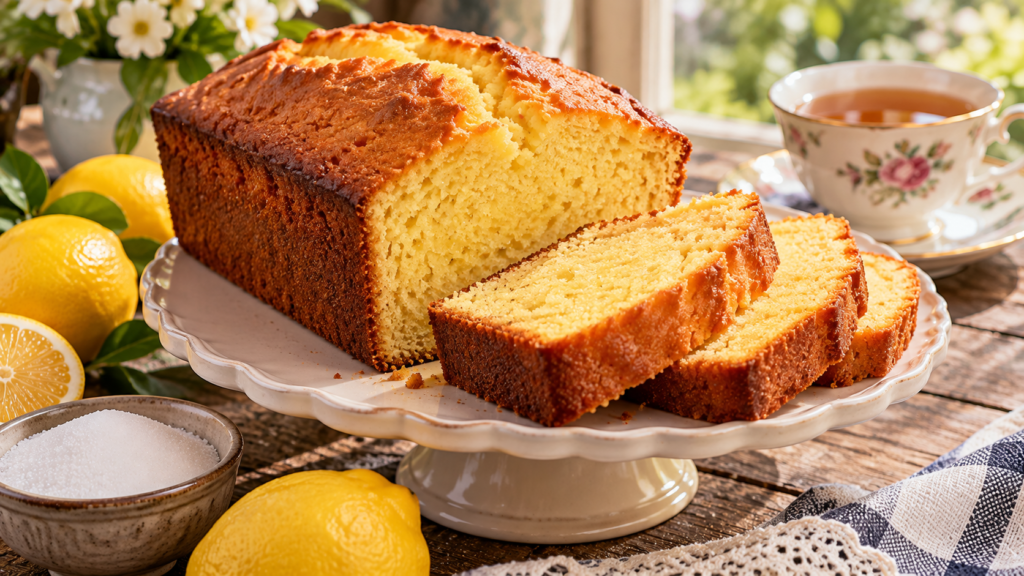
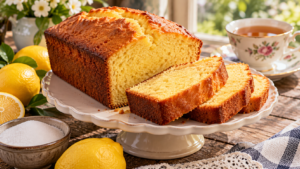
Looking for a classic British cake that’s simple, buttery, and perfect with a cup of tea? This Madeira Cake Recipe makes a beautiful golden loaf with a delicate lemon aroma, a tender crumb, and a lightly firm texture that holds together beautifully when sliced. Despite its name, Madeira cake traditionally contains no Madeira wine; it is a British teatime cake named after the sweet wine it was often served alongside.
Unlike a fluffy sponge cake, a traditional Madeira cake is slightly denser, making it ideal for afternoon tea, coffee breaks, and special gatherings. The ingredients are straightforward, and you don’t need complicated decorating techniques to make it look and taste wonderful. A little lemon zest adds freshness while butter, sugar, eggs, and flour create its familiar rich flavor.
Whether you’re baking for guests or simply want a homemade treat to enjoy throughout the week, this Madeira Cake Recipe is a reliable classic worth keeping in your baking collection.
Recipe Overview
- Recipe Name: Madeira Cake Recipe
- Category: Cake / Dessert
- Cuisine: British
- Servings: 10 slices
- Prep Time: 15 minutes
- Cook Time: 50–60 minutes
- Total Time: Approximately 1 hour 15 minutes
- Calories: Approximately 280 kcal per slice
What Is Madeira Cake?
Madeira cake is a traditional British butter cake known for its fine crumb, golden crust, and subtle lemon flavor. It is firmer than a classic Victoria sponge, so it slices neatly without falling apart. Historically, it was served with Madeira wine, which explains its name, although modern versions are usually enjoyed with tea or coffee.
A good Madeira cake should be moist but not heavy, with a lightly domed top and a soft, buttery interior. It can be served plain, dusted with icing sugar, or accompanied by fresh berries and cream.
Why You’ll Love This Recipe
This Madeira Cake Recipe uses familiar baking ingredients and straightforward techniques, making it suitable for beginner and experienced bakers alike. The buttery crumb and gentle lemon flavor create a timeless combination that isn’t overly sweet. It slices neatly for afternoon tea and stays enjoyable for several days when stored properly. You can also customize it with orange zest, almond extract, or a simple sugar topping without losing its traditional character.
Ingredients
Gather these simple baking ingredients to create a buttery Madeira cake with a tender crumb and delicate citrus flavor.
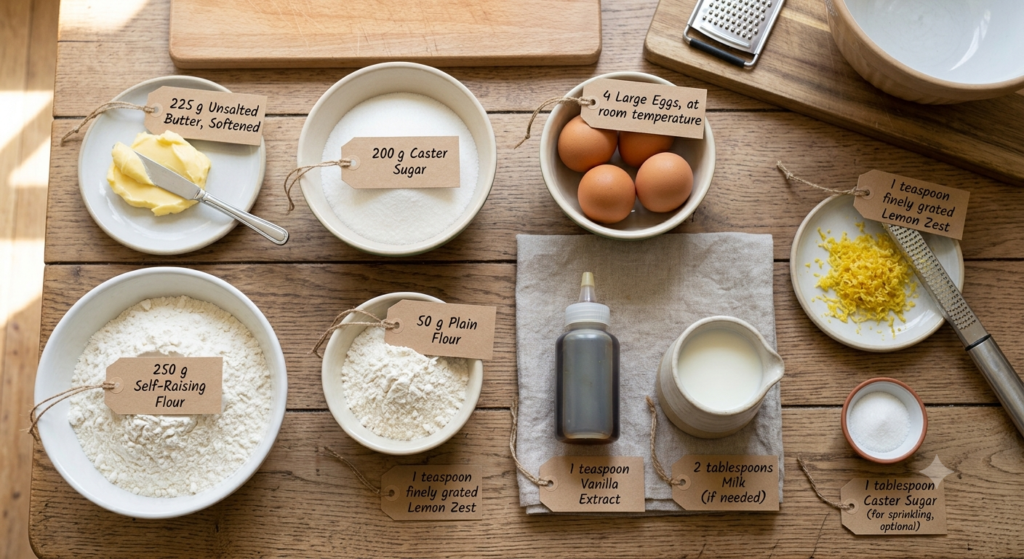
For the Madeira Cake
- 225 g unsalted butter, softened
- 200 g caster sugar
- 4 large eggs, at room temperature
- 250 g self-raising flour
- 50 g plain flour
- 1 teaspoon finely grated lemon zest
- 1 teaspoon vanilla extract
- 2 tablespoons milk, if needed
- 1 tablespoon caster sugar, for sprinkling (optional)
Ingredient tip: Use room-temperature butter and eggs for a smoother batter. The combination of self-raising flour and plain flour helps create the characteristic structure of a traditional Madeira cake.
Equipment Needed
You’ll only need a few everyday baking tools to prepare this classic British cake successfully.
- 900 g loaf tin or 20 cm round cake tin
- Electric hand mixer or stand mixer
- Large mixing bowl
- Measuring scales
- Fine grater
- Spatula
- Baking parchment
- Wire cooling rack
Recipe Video Guide
How to Make Madeira Cake
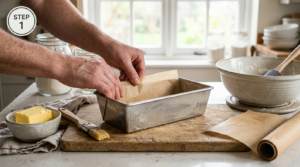
Step 1: Prepare the Tin and Oven
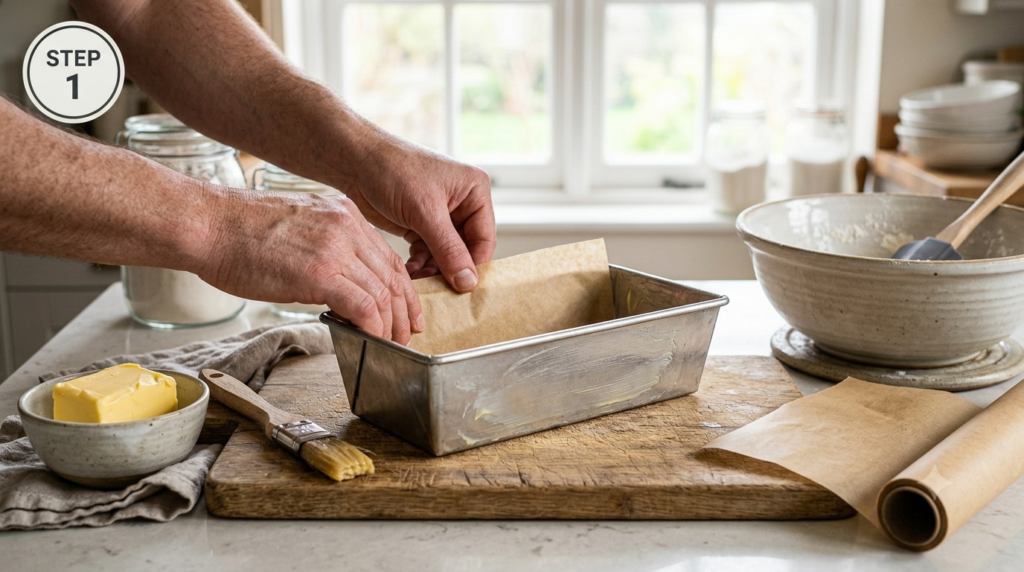
Preheat your oven to 160°C (320°F) for a conventional oven. Grease a 900 g loaf tin or 20 cm round cake tin and line it with baking parchment. Preparing the tin properly helps prevent sticking and makes it easier to remove the finished cake without damaging its golden crust.
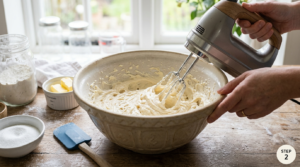
Step 2: Cream the Butter and Sugar
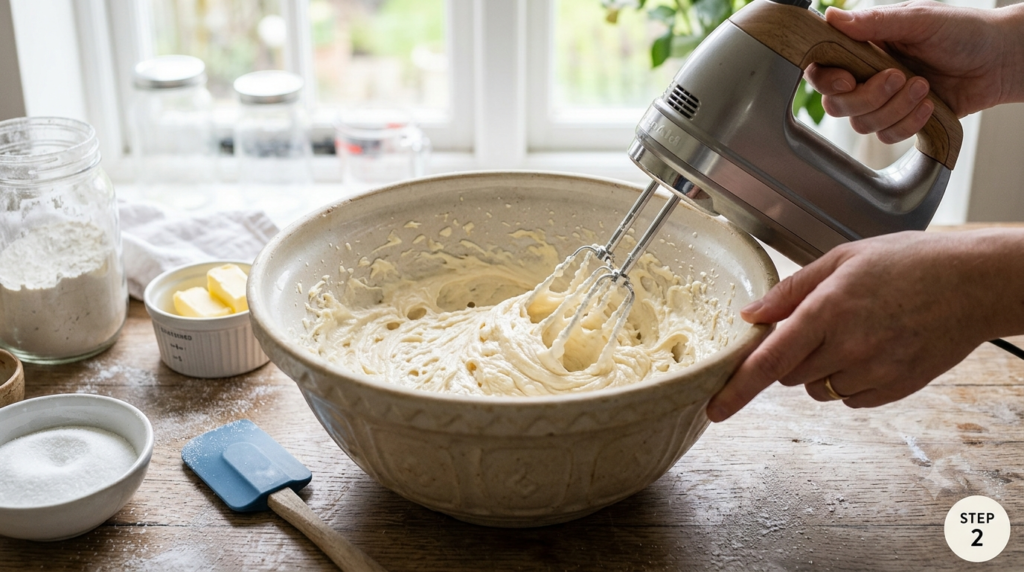
Place the softened butter and caster sugar in a large mixing bowl. Beat with an electric mixer for approximately 3–5 minutes until the mixture becomes pale, light, and fluffy. This step incorporates air into the batter, helping the cake develop a tender texture while retaining the slightly firm structure expected from a traditional Madeira cake Recipe.
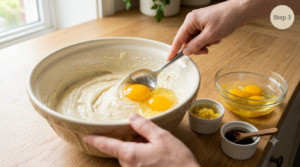
Step 3: Add the Eggs and Flavorings
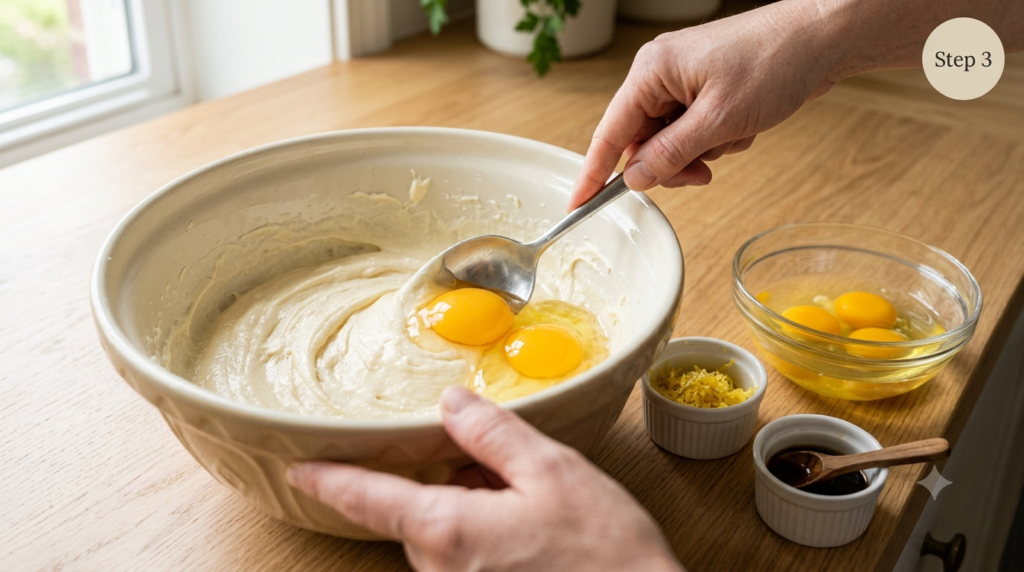
Add the eggs one at a time, beating well after each addition. If the mixture begins to look curdled, add a spoonful of the measured flour and continue mixing gently. Stir in the vanilla extract and finely grated lemon zest, distributing the flavor evenly throughout the batter.
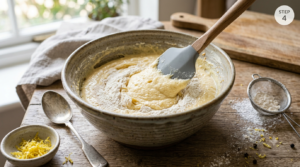
Step 4: Fold in the Flour
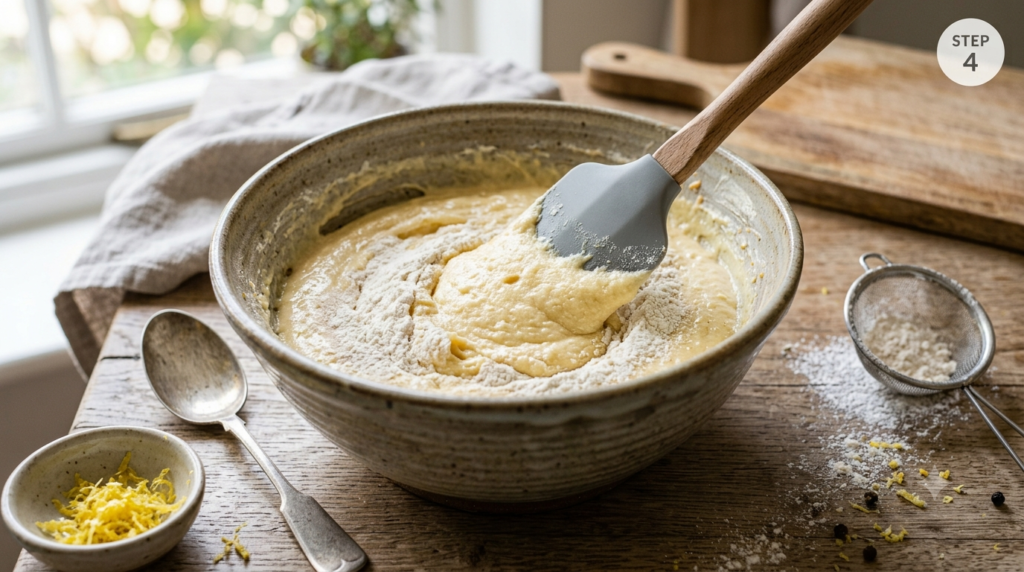
Sift the self-raising flour and plain flour together into the mixing bowl. Using a spatula or a low mixer setting, fold the flour into the butter mixture until just combined. Avoid overmixing, as excessive mixing can make the finished cake tough. If the batter seems unusually stiff, add the milk gradually until it drops from the spoon with a thick consistency.
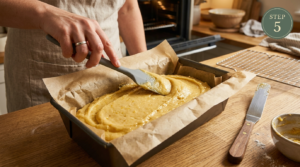
Step 5: Fill the Tin and Bake
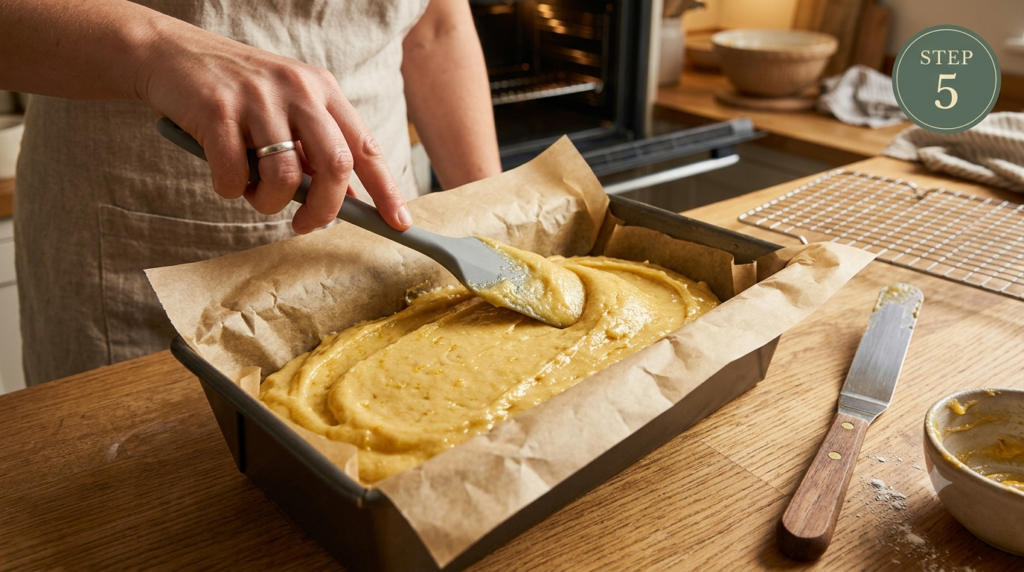
Transfer the batter into the prepared tin and level the surface gently. Sprinkle the optional caster sugar over the top for a delicate sugary crust. Bake for approximately 50–60 minutes, checking near the end of the baking time. The cake is ready when it is golden, a skewer inserted into the center comes out clean, and the middle springs back lightly when touched.
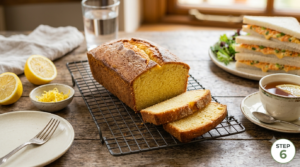
Step 6: Cool and Serve
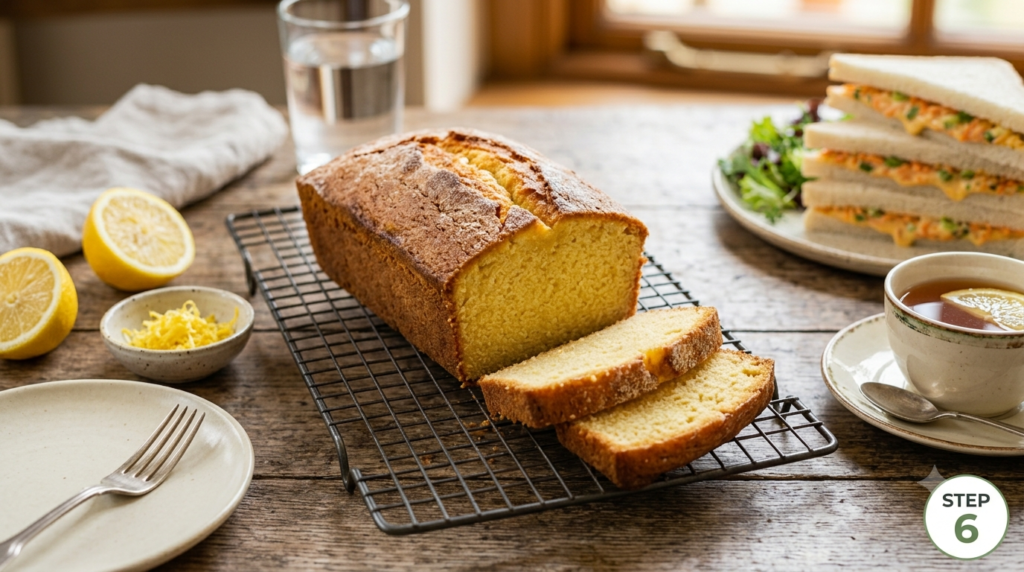
Leave this Madeira Cake Recipe in its tin for around 10–15 minutes before carefully transferring it to a wire rack. Allow it to cool completely before slicing so the crumb can set properly. Serve thick slices with tea or coffee, or add fresh berries and a little cream when you want a more indulgent dessert.
Expert Tips for the Best Madeira Cake Recipe
- Measure accurately: Baking depends on balanced proportions, so use a kitchen scale for consistent results.
- Use softened butter: Butter should be soft enough to beat easily but not melted or oily.
- Add eggs gradually: This helps maintain a smooth batter and reduces the chance of separation.
- Don’t overmix: Fold the flour in gently to avoid developing excess gluten.
- Check your oven: Oven temperatures vary, so begin checking the cake toward the end of the recommended baking time.
- Cool before slicing: Cutting the cake while hot can cause the crumb to crumble.
- Choose fresh lemon zest: It adds a subtle citrus fragrance without making the cake taste strongly of lemon.
Delicious Madeira Cake Variations
Lemon Madeira Cake
For a brighter citrus flavor, increase the lemon zest to two teaspoons. You can also drizzle a little lemon icing over the cooled cake, although the traditional version is often served plain.
Orange Madeira Cake
Replace the lemon zest with finely grated orange zest for a sweeter citrus aroma. This variation pairs particularly well with black tea and makes a lovely afternoon treat.
Almond Madeira Cake
Add a small amount of almond extract to the batter for a delicate nutty aroma. Start with ¼ teaspoon because almond extract can be quite strong.
Cherry Madeira Cake
Fold a small quantity of chopped, well-drained glacé cherries into the finished batter. Tossing the cherry pieces in a little flour before adding them can help distribute them more evenly.
Madeira Cupcakes
Divide the batter among lined cupcake cases, filling each about two-thirds full. Bake at the same temperature, checking after approximately 18–25 minutes because smaller cakes cook faster.
What to Serve with Madeira Cake
This classic Madeira Cake Recipe is versatile enough for afternoon tea, a simple dessert, or a sweet snack.
- English breakfast tea: Its robust flavor complements the buttery cake.
- Fresh berries: Strawberries, raspberries, and blueberries add freshness.
- Whipped cream: A spoonful makes each slice feel more indulgent.
- Lemon curd: Adds a bright, tangy contrast to the mild sweetness.
- Vanilla ice cream: Turns a simple slice into an easy dessert.
- Coffee: The rich flavor balances the cake’s delicate sweetness.
For a traditional presentation, serve plain slices on a cake stand with freshly brewed tea.
Storage Instructions
Room Temperature
Store the completely cooled cake in an airtight container in a cool, dry place for up to 4–5 days. Keep it away from direct sunlight and heat to maintain its texture.
Refrigerator
Refrigeration is usually unnecessary and may dry out the cake. If your kitchen is particularly warm, refrigerate it in an airtight container and allow individual slices to return to room temperature before serving.
Freezer
Wrap individual slices or the whole cooled cake tightly in cling film, then place in a freezer-safe bag or container. Freeze for up to 3 months for the best quality. Thaw at room temperature while still wrapped to help retain moisture.
Make-Ahead Tip
Bake this Madeira Cake Recipe a day before serving. Once cooled, wrap it securely and store it in an airtight container. The flavor often settles nicely overnight, making it convenient for gatherings and afternoon tea.
Common Mistakes to Avoid
Using Cold Ingredients
Cold eggs and butter can make the batter less uniform. Allow ingredients to reach room temperature before mixing.
Overbeating the Batter
Once the flour is added, mix only until combined. Too much mixing can produce a tougher texture.
Opening the Oven Too Early
Opening the oven door too soon can cause the cake to sink before its structure sets. Wait until the cake is close to the expected finishing time before checking.
Overbaking
A cake left in the oven too long may become dry. Test with a skewer and remove it when the center is cooked through.
Cutting Before Cooling
The crumb is delicate while hot. Cooling the cake completely makes it easier to cut neat slices.
Nutrition Information
| Nutrient | Approximate Amount per Slice |
|---|---|
| Calories | 280 kcal |
| Carbohydrates | 35 g |
| Protein | 4 g |
| Fat | 14 g |
| Saturated Fat | 8 g |
| Cholesterol | 95 mg |
| Fiber | 1 g |
| Sugar | 18 g |
| Sodium | 180 mg |
Nutrition values of this Madeira Cake Recipe are estimates based on 10 slices and may vary depending on the ingredients and portion sizes.
Final Thoughts
This Madeira Cake Recipe is a wonderful reminder that simple baking can produce something truly special. With butter, sugar, eggs, flour, and a touch of lemon zest, you can create a classic British cake with a golden crust and tender, satisfying crumb.
Enjoy it plain with tea, dress it up with berries and cream, or experiment with the citrus and almond variations. Whether you’re baking for visitors or preparing a treat for the week, this traditional cake is an easy recipe to return to whenever you want something homemade and comforting.
Frequently Asked Questions
Why is it called Madeira cake?
The cake takes its name from Madeira wine, which it was traditionally served alongside. The classic cake itself does not need wine as an ingredient.
What makes Madeira cake different from sponge cake?
Madeira cake is generally firmer and slightly denser than a light sponge cake. Its texture makes it particularly suitable for neat slices served with tea.
Why did my Madeira cake sink in the middle?
This can happen if the cake is underbaked, the oven door is opened too early, or the batter contains too much raising agent or liquid.
Can I make Madeira cake without lemon?
Yes. Omit the lemon zest and use vanilla extract alone, or substitute orange zest for a different flavor.
Can I use plain flour instead of self-raising flour?
Yes, but you’ll need to adjust the raising agent. For this recipe, replace the self-raising flour with plain flour and add an appropriate amount of baking powder according to the product instructions.
How do I know when the cake is fully baked?
The top should be golden, the center should spring back lightly, and a skewer inserted into the middle should come out clean or with a few dry crumbs.
SEO Meta Description
Madeira Cake Recipe
Ingredients
Equipment
Method
- Preheat your oven to 160°C (320°F) for a conventional oven. Grease a 900 g loaf tin or 20 cm round cake tin and line it with baking parchment. Preparing the tin properly helps prevent sticking and makes it easier to remove the finished cake without damaging its golden crust.
- Place the softened butter and caster sugar in a large mixing bowl. Beat with an electric mixer for approximately 3–5 minutes until the mixture becomes pale, light, and fluffy. This step incorporates air into the batter, helping the cake develop a tender texture while retaining the slightly firm structure expected from a traditional Madeira cake.
- Add the eggs one at a time, beating well after each addition. If the mixture begins to look curdled, add a spoonful of the measured flour and continue mixing gently. Stir in the vanilla extract and finely grated lemon zest, distributing the flavor evenly throughout the batter.
- Sift the self-raising flour and plain flour together into the mixing bowl. Using a spatula or a low mixer setting, fold the flour into the butter mixture until just combined. Avoid overmixing, as excessive mixing can make the finished cake tough. If the batter seems unusually stiff, add the milk gradually until it drops from the spoon with a thick consistency.
- Transfer the batter into the prepared tin and level the surface gently. Sprinkle the optional caster sugar over the top for a delicate sugary crust. Bake for approximately 50–60 minutes, checking near the end of the baking time. The cake is ready when it is golden, a skewer inserted into the center comes out clean, and the middle springs back lightly when touched.
- Leave the cake in its tin for around 10–15 minutes before carefully transferring it to a wire rack. Allow it to cool completely before slicing so the crumb can set properly. Serve thick slices with tea or coffee, or add fresh berries and a little cream when you want a more indulgent dessert.
Video
Notes
- English breakfast tea: Its robust flavor complements the buttery cake.
- Fresh berries: Strawberries, raspberries, and blueberries add freshness.
- Whipped cream: A spoonful makes each slice feel more indulgent.
- Lemon curd: Adds a bright, tangy contrast to the mild sweetness.
- Vanilla ice cream: Turns a simple slice into an easy dessert.
- Coffee: The rich flavor balances the cake’s delicate sweetness.
