
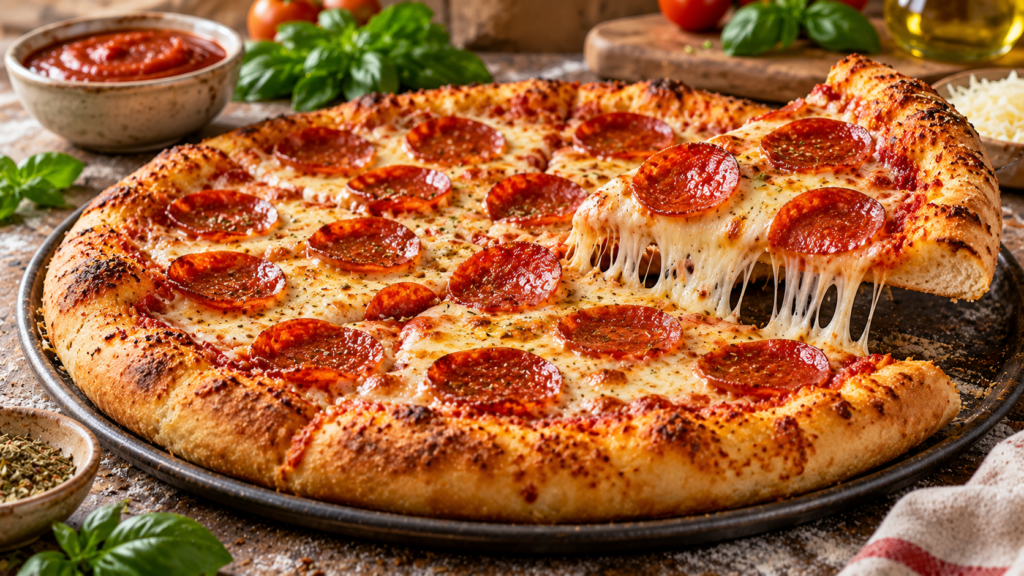
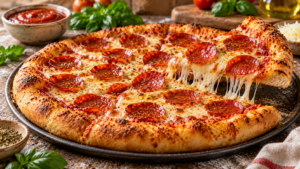
Have you ever wished you could recreate that soft, chewy pizza crust with a golden bottom and deliciously satisfying texture at home? This Little Caesars Pizza Dough Recipe is a great way to make a homemade pizza crust inspired by the familiar taste and texture of Little Caesars pizza. With simple pantry ingredients, an easy preparation method, and enough flexibility for your favorite toppings, you can enjoy a pizzeria-style pizza straight from your own oven.
The secret to delicious pizza dough is balancing the flour, water, yeast, and oil while allowing enough time for the dough to rise. Whether you’re preparing a classic cheese pizza, a pepperoni favorite, or a loaded veggie pizza, this dough creates a versatile base for a satisfying homemade meal.
You don’t need professional pizza-making equipment or complicated techniques. Follow the simple steps below to prepare dough that’s easy to shape, flavorful, and perfect for family pizza night.
Recipe Overview
- Recipe Name: Little Caesars Pizza Dough
- Category: Pizza / Bread
- Cuisine: American-Inspired
- Servings: 2 medium pizza crusts
- Prep Time: 20 minutes
- Rise Time: 60–90 minutes
- Cook Time: 12–16 minutes, depending on toppings and thickness
- Total Time: Approximately 1 hour 45 minutes
- Calories: Approximately 180 kcal per serving of dough (¼ of the batch)
What Is Little Caesars Pizza Dough?
Little Caesars Pizza Dough is the pizza base used to create the chain’s familiar pizzas. Its texture is designed to support toppings while providing a satisfying combination of softness, chewiness, and browning.
This homemade version is inspired by that style rather than being an official Little Caesars recipe. It uses everyday ingredients and a straightforward yeast dough method to create a crust suitable for cheese, pepperoni, vegetables, and other favorite toppings.
Why You’ll Love This Recipe
This homemade pizza dough is simple enough for beginners but versatile enough for regular pizza nights. It uses affordable pantry ingredients and creates a soft, chewy base with a lightly crisp exterior when baked in a properly heated oven. You can adjust the thickness, shape, and toppings to suit your preferences. Best of all, the dough can be prepared ahead of time, making homemade pizza more convenient whenever a craving strikes.
Ingredients
Gather these simple ingredients to prepare a flavorful, pizzeria-inspired pizza dough at home.
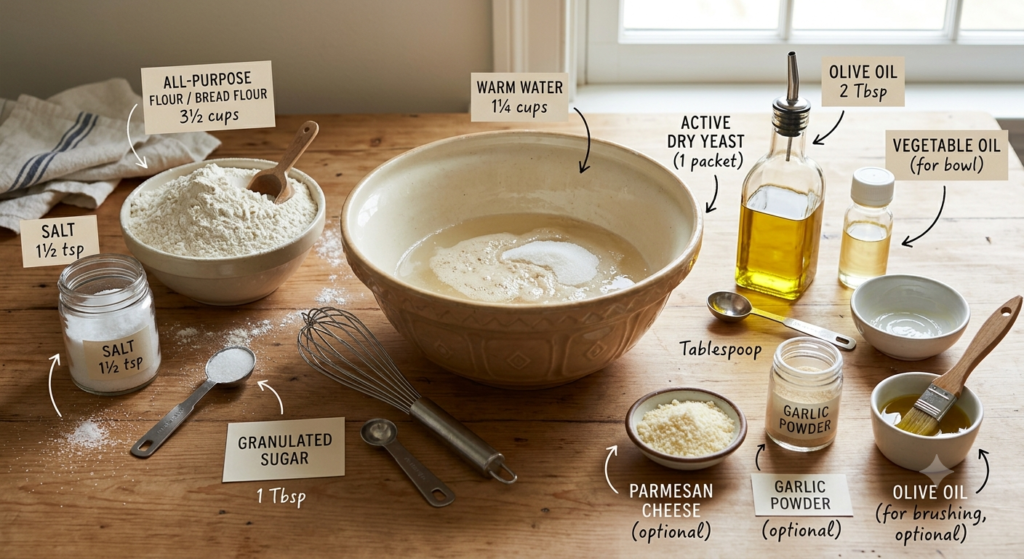
For the Pizza Dough
- 3½ cups (420–450 g) all-purpose flour or bread flour
- 1¼ cups (300 ml) warm water
- 2¼ teaspoons active dry yeast (1 packet)
- 1 tablespoon granulated sugar
- 1½ teaspoons salt
- 2 tablespoons olive oil
- 1 teaspoon vegetable oil, for greasing the bowl
Optional for the Crust
- 1 tablespoon olive oil, for brushing
- ½ teaspoon garlic powder
- 1 tablespoon grated Parmesan cheese
Note: The optional ingredients are for finishing the crust and are not required for the basic dough.
Equipment Needed
You’ll only need a few everyday kitchen tools to mix, knead, proof, and shape your homemade pizza dough.
- Large mixing bowl
- Measuring cups and spoons or a kitchen scale
- Wooden spoon or dough scraper
- Clean kitchen towel or plastic wrap
- Baking sheet or pizza pan
- Rolling pin (optional)
Recipe Video Guide
How to Make Little Caesars Pizza Dough
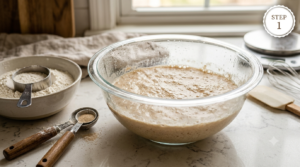
Step 1: Activate the Yeast
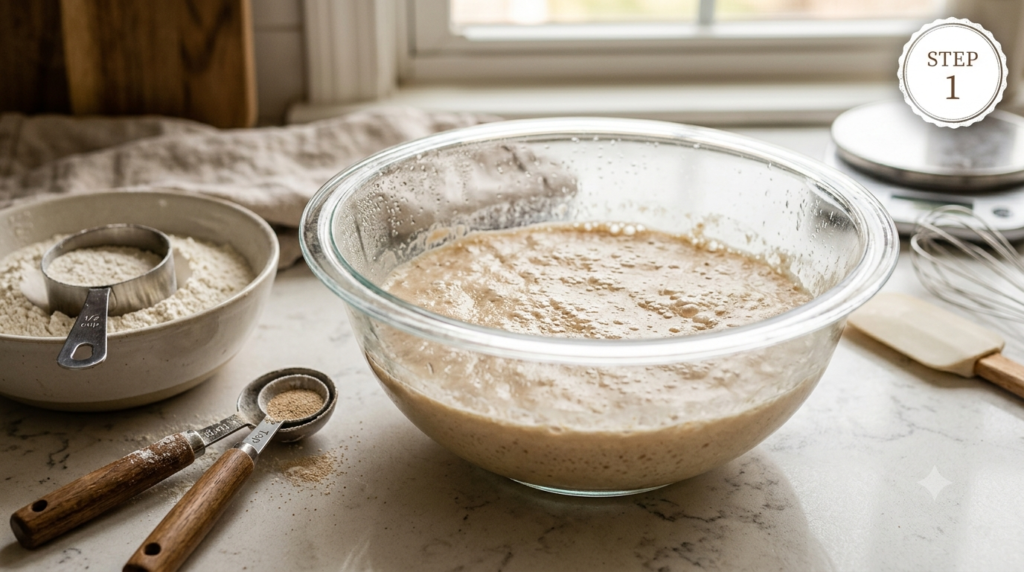
Pour the warm water into a large mixing bowl and stir in the sugar and active dry yeast. Let the mixture stand for 5–10 minutes until it becomes foamy on top. The water should feel comfortably warm rather than hot, as excessive heat can damage the yeast and prevent the dough from rising properly.
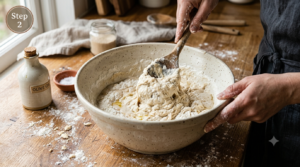
Step 2: Mix the Dough Ingredients
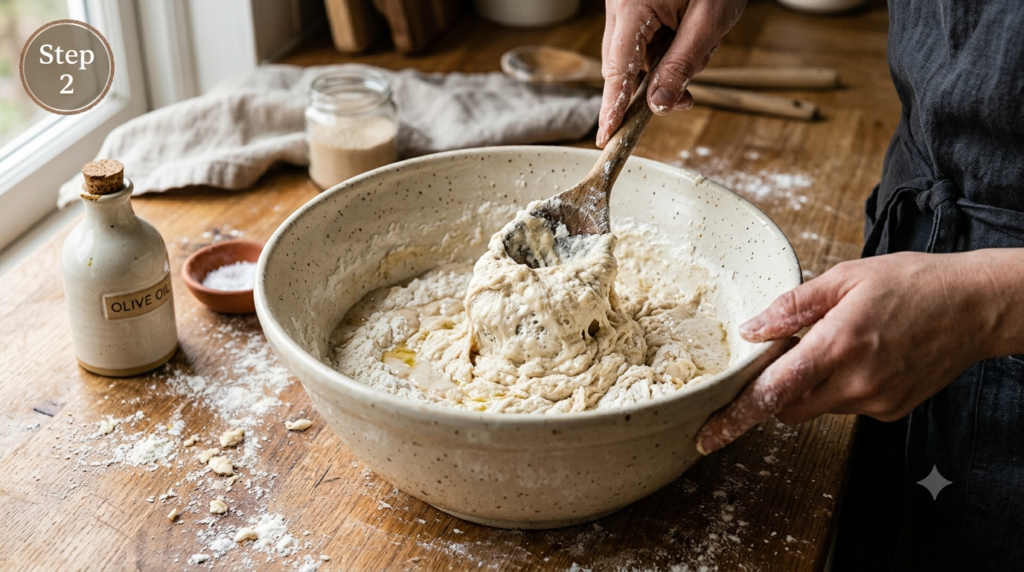
Add the flour, salt, and olive oil to the yeast mixture. Stir with a wooden spoon until the ingredients form a rough, shaggy dough. If the mixture seems dry, add a little water; if it is extremely sticky, sprinkle in a small amount of flour. Aim for a soft dough rather than a stiff one.
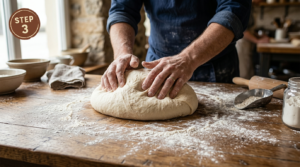
Step 3: Knead Until Smooth
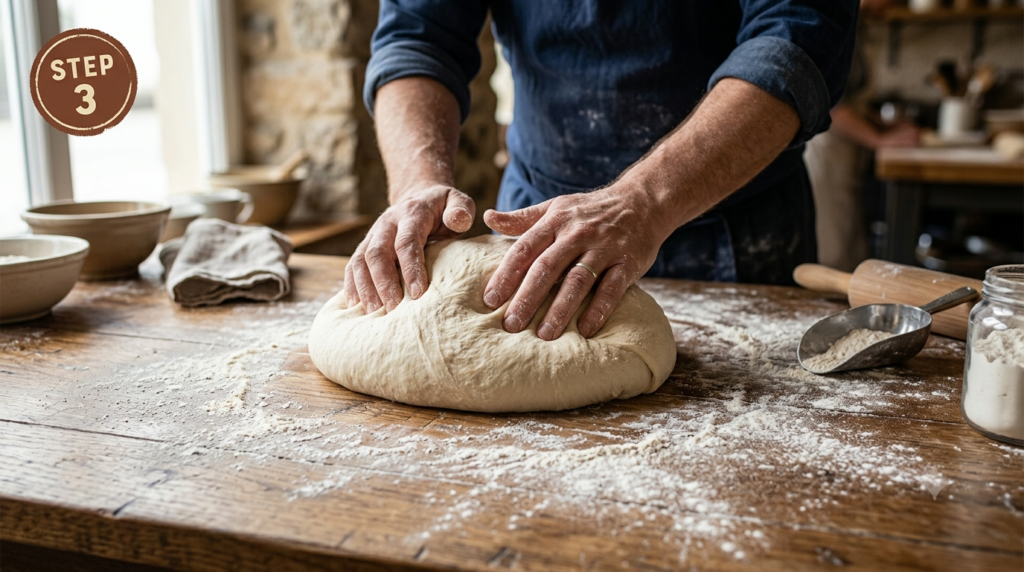
Transfer the dough to a lightly floured surface and knead for approximately 8–10 minutes. Push the dough away with the heel of your hand, fold it back, and repeat until it becomes smooth and elastic. Proper kneading develops gluten, which helps the finished crust hold its shape and gives it a pleasant, chewy texture.
Step 4: Let the Dough Rise
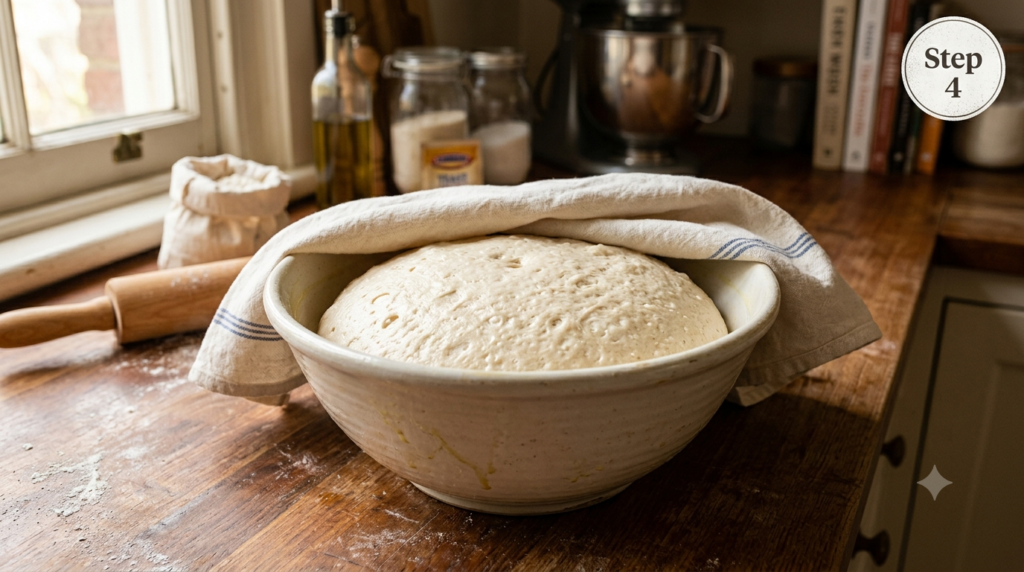
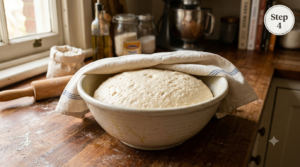
Lightly grease a clean bowl with vegetable oil and place the dough inside, turning it once to coat the surface. Cover the bowl with a clean towel or plastic wrap and leave it in a warm, draft-free place for 60–90 minutes, or until roughly doubled in size. Rising time varies with room temperature, so judge the dough by its appearance rather than the clock alone.
Step 5: Shape the Pizza Crusts
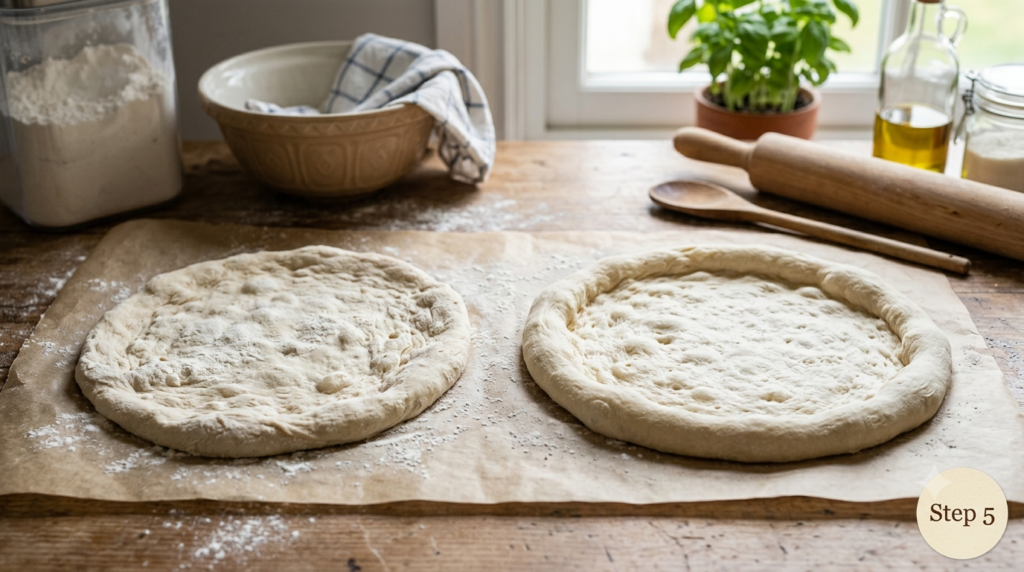
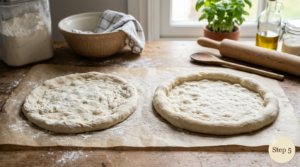
Gently press the dough to release excess air, then divide it into two equal portions. Let the portions rest for about 10 minutes to make shaping easier. Stretch or roll each portion into a round crust, leaving a slightly thicker edge if you prefer a raised rim. Transfer the dough to lightly oiled pizza pans or a prepared baking sheet.
Step 6: Add Toppings and Bake
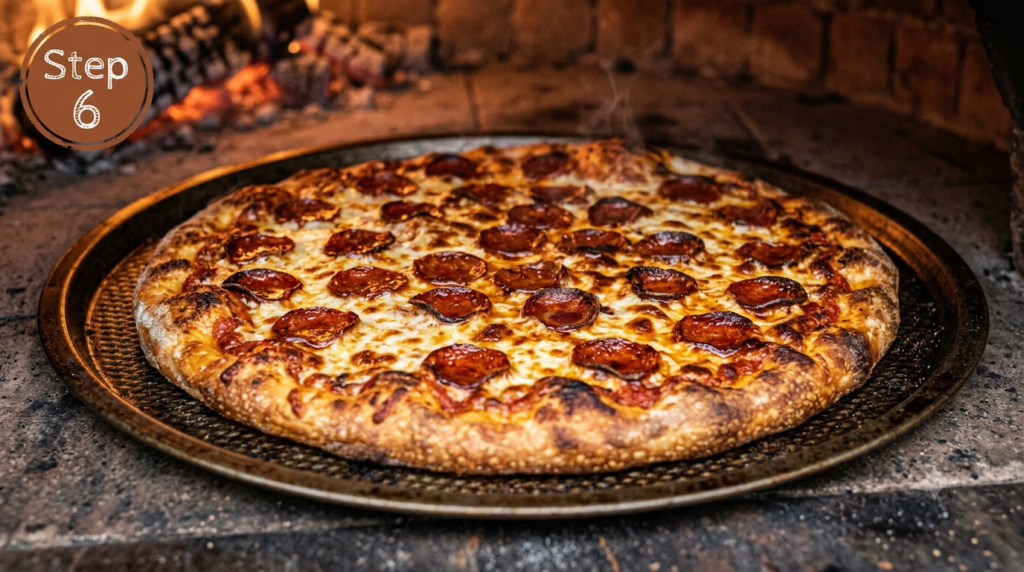
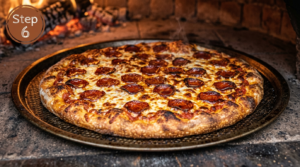
Preheat your oven to 475°F (245°C), or as high as your oven and baking equipment safely allow. Add a thin layer of pizza sauce, cheese, and your preferred toppings without overloading the dough. Bake for approximately 12–16 minutes, checking for a golden crust, melted cheese, and a fully cooked center. Allow the pizza to rest briefly before slicing and serving.
Expert Tips for the Best Little Caesars Pizza Dough
- Measure the flour accurately: Weighing flour gives you more consistent results and prevents a dry, tough dough.
- Use warm, not hot, water: Aim for approximately 105–110°F (40–43°C) when activating active dry yeast.
- Knead thoroughly: A smooth, elastic dough produces a more satisfying chewy crust.
- Allow enough rising time: The dough should roughly double in size before shaping.
- Preheat your oven properly: A hot oven helps the crust brown and cook efficiently.
- Avoid excessive toppings: Too much sauce or cheese can make the center soggy.
- Brush the edges lightly: A little olive oil helps create a golden, flavorful crust.
Delicious Variations
Little Caesars-Style Pepperoni Pizza
Spread pizza sauce over the shaped dough, then add mozzarella cheese and pepperoni slices. Bake until the cheese bubbles and the crust turns golden.
Cheesy Pizza Dough
Mix a small amount of grated Parmesan into the dough or brush the crust with garlic butter after baking for extra savory flavor.
Thin-Crust Pizza
Divide the dough into smaller portions or roll it thinner before adding toppings. Watch the baking time carefully because thinner crusts cook faster.
Thick-Crust Pizza
Use one portion of dough for a thicker pizza and allow it to rest briefly in the pan before adding toppings. The result will have a softer, breadier interior.
Garlic Herb Crust
Brush the baked crust with olive oil mixed with garlic powder, parsley, and a pinch of salt for a fragrant finish.
Serving Suggestions
This homemade pizza dough works beautifully with a variety of toppings and sides.
- Classic mozzarella and tomato sauce
- Pepperoni and mozzarella
- Mushrooms, bell peppers, and onions
- Black olives and spinach
- Garlic bread
- Caesar salad
- Roasted vegetables
- Marinara dipping sauce
For a Little Caesars-inspired pizza night, serve your homemade pizza with a fresh salad and a side of garlic dipping sauce.
Storage Instructions
Refrigerator
Place unused dough in a lightly oiled airtight container and refrigerate for up to 3 days. Allow it to sit at room temperature for about 30–60 minutes before shaping, until it becomes easier to stretch.
Freezer
Divide the dough into portions, lightly coat them with oil, and freeze in airtight freezer bags for up to 3 months. Thaw overnight in the refrigerator before using.
Reheating Baked Pizza
Reheat leftover pizza in a skillet over medium-low heat or in a 350°F (175°C) oven until hot. This helps refresh the crust without making it overly soft.
Make-Ahead Tip
Prepare the dough the day before and refrigerate it after kneading. A slow, cold rise can develop additional flavor. Allow time for the dough to warm and become workable before shaping.
Common Mistakes to Avoid
Using Water That Is Too Hot
Excessively hot water can damage the yeast and prevent the dough from rising. Use comfortably warm water and check the temperature when possible.
Adding Too Much Flour
A stiff dough can produce a dense crust. Add flour gradually and aim for a soft, slightly tacky texture.
Skipping the Rising Time
Dough that has not risen sufficiently may bake up dense and difficult to chew. Give it enough time to expand.
Overloading the Pizza
Heavy toppings can release moisture and prevent the center from cooking properly. Use moderate amounts of sauce, cheese, and toppings.
Baking in an Insufficiently Heated Oven
A cold or inadequately preheated oven can produce a pale, soft crust. Preheat thoroughly and use a suitable pizza pan or baking surface.
Nutrition Information
| Nutrient | Approximate Amount |
|---|---|
| Calories | 180 kcal |
| Carbohydrates | 35g |
| Protein | 5g |
| Fat | 3g |
| Saturated Fat | 0.4g |
| Cholesterol | 0mg |
| Fiber | 1g |
| Sugar | 1g |
| Sodium | 290mg |
Estimates are for approximately one-quarter of the dough batch, without sauce, cheese, or toppings. Actual values depend on the flour used and portion sizes.
Final Thoughts
This Little Caesars Pizza Dough Recipe is a practical way to enjoy pizzeria-inspired pizza at home with simple ingredients and straightforward preparation. The dough creates a versatile base for classic pepperoni, cheesy favorites, and vegetable-loaded combinations.
Take your time with kneading and rising, preheat the oven thoroughly, and avoid overloading the crust with toppings. With these simple techniques, homemade pizza night can become a delicious family tradition.
You may also like Skhug Cava Recipe.
Frequently Asked Questions
Is this the official Little Caesars pizza dough recipe?
No. This is a homemade recipe inspired by the style of Little Caesars pizza. It has not been verified as the restaurant’s proprietary formula.
Can I use all-purpose flour instead of bread flour?
Yes. All-purpose flour works well and creates a softer crust. Bread flour generally provides a slightly chewier texture.
Why is my pizza dough not rising?
The yeast may be inactive, the water may have been too hot, or the room may be too cold. Check the yeast’s freshness and allow more time in a warm environment.
Can I prepare the dough without sugar?
Yes. Sugar helps yeast activity and browning, but you can omit it. The dough may take longer to rise, depending on conditions.
How many pizzas does this recipe make?
This recipe makes approximately two medium pizza crusts. You can divide it into smaller portions for personal pizzas.
Can I freeze pizza dough?
Yes. Freeze individual portions in airtight bags for up to three months and thaw them in the refrigerator before use.
Recipe Card
Little Caesars Pizza Dough Recipe
Ingredients
Equipment
Method
- Pour the warm water into a large mixing bowl and stir in the sugar and active dry yeast. Let the mixture stand for 5–10 minutes until it becomes foamy on top. The water should feel comfortably warm rather than hot, as excessive heat can damage the yeast and prevent the dough from rising properly.
- Add the flour, salt, and olive oil to the yeast mixture. Stir with a wooden spoon until the ingredients form a rough, shaggy dough. If the mixture seems dry, add a little water; if it is extremely sticky, sprinkle in a small amount of flour. Aim for a soft dough rather than a stiff one.
- Transfer the dough to a lightly floured surface and knead for approximately 8–10 minutes. Push the dough away with the heel of your hand, fold it back, and repeat until it becomes smooth and elastic. Proper kneading develops gluten, which helps the finished crust hold its shape and gives it a pleasant, chewy texture.
- Lightly grease a clean bowl with vegetable oil and place the dough inside, turning it once to coat the surface. Cover the bowl with a clean towel or plastic wrap and leave it in a warm, draft-free place for 60–90 minutes, or until roughly doubled in size. Rising time varies with room temperature, so judge the dough by its appearance rather than the clock alone.
- Gently press the dough to release excess air, then divide it into two equal portions. Let the portions rest for about 10 minutes to make shaping easier. Stretch or roll each portion into a round crust, leaving a slightly thicker edge if you prefer a raised rim. Transfer the dough to lightly oiled pizza pans or a prepared baking sheet.
- Preheat your oven to 475°F (245°C), or as high as your oven and baking equipment safely allow. Add a thin layer of pizza sauce, cheese, and your preferred toppings without overloading the dough. Bake for approximately 12–16 minutes, checking for a golden crust, melted cheese, and a fully cooked center. Allow the pizza to rest briefly before slicing and serving.
Video
Notes
- Classic mozzarella and tomato sauce
- Pepperoni and mozzarella
- Mushrooms, bell peppers, and onions
- Black olives and spinach
- Garlic bread
- Caesar salad
- Roasted vegetables
- Marinara dipping sauce
